14 best things to do in Rome. Travel guide in the Eternal City
Rome is a city where history spills out onto the streets. If you’re wondering what to see in Rome, start with this travel guide to the Eternal City and discover the attractions that are truly worth your time.
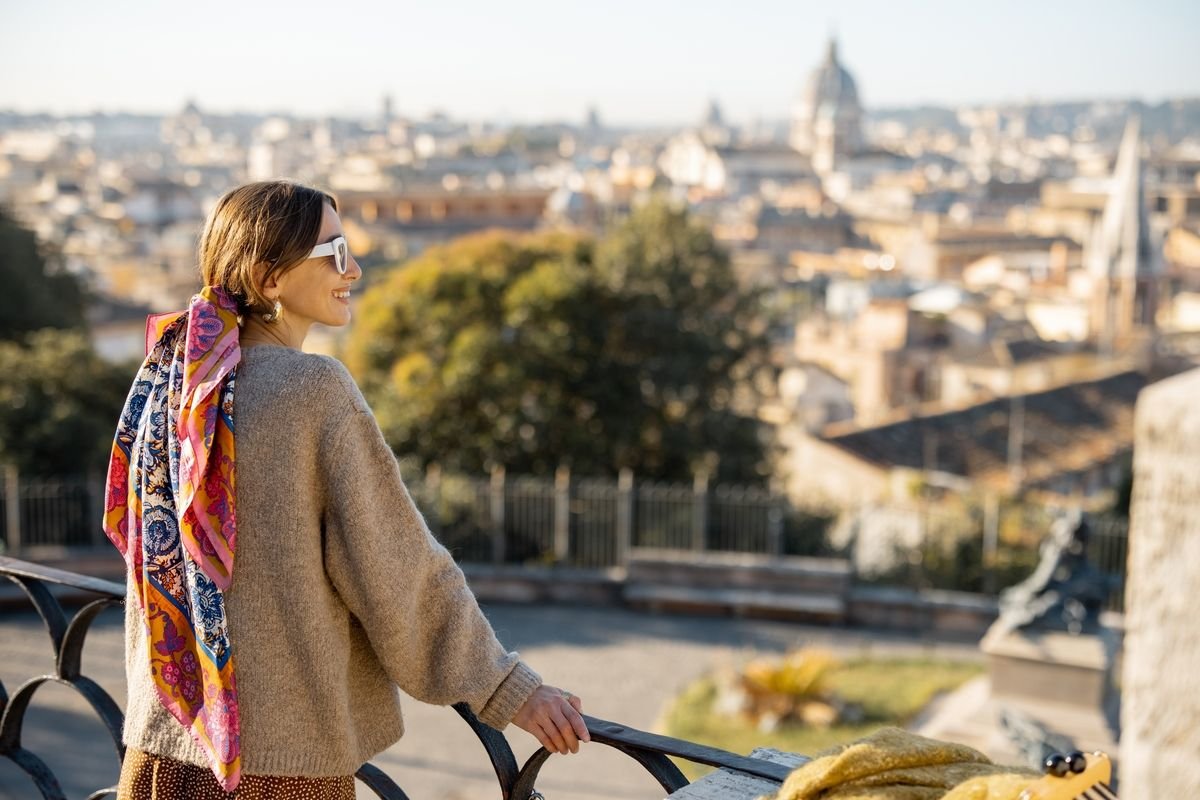
Ancient Rome - top attractions
It’s impossible to visit Rome without stepping back into ancient times. This is where you’ll find some of the most important monuments of the ancient world, many of which have survived for thousands of years and still impress today. A must-see for any history lover.
Roman Forum
Right next to the Colosseum lies the Roman Forum, the political, religious, and social heart of ancient Rome. Today, you can walk among the ruins of temples, triumphal arches, and former public buildings.
While exploring the Roman Forum, it’s worth paying attention to:
- the Temple of Saturn,
- The Arch of Septimius Severus,
- The House of the Vestal Virgins.
Walking through this area gives you a deeper understanding of how the Roman Empire functioned and how important this space once was.
Colosseum
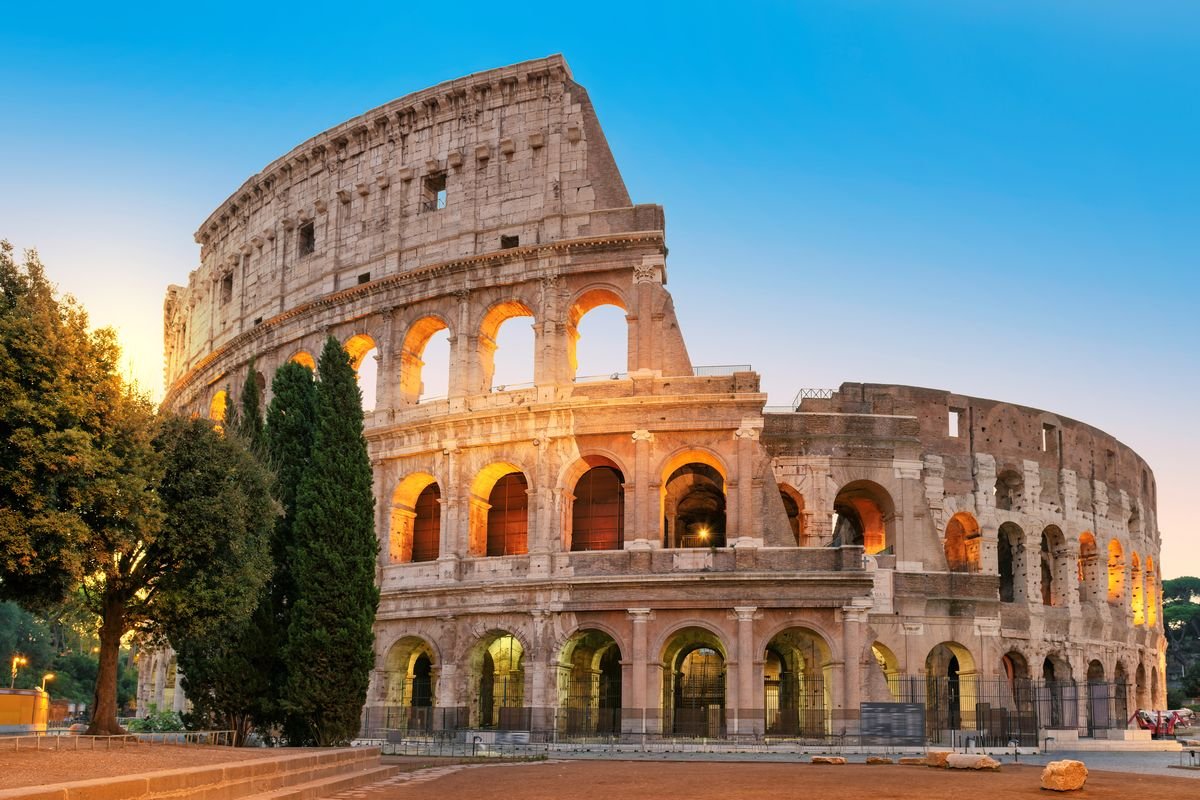
The Colosseum is, undoubtedly, the most recognisable symbol of Rome and one of Italy's top attractions.
This massive amphitheatre, built in 80 AD, could hold up to 50,000 spectators. It was the stage for gladiator fights, animal hunts, and even mock naval battles.
The structure featured an advanced system of underground corridors, lifts, and mechanisms that allowed animals and gladiators to appear dramatically on the arena floor.
Pantheon
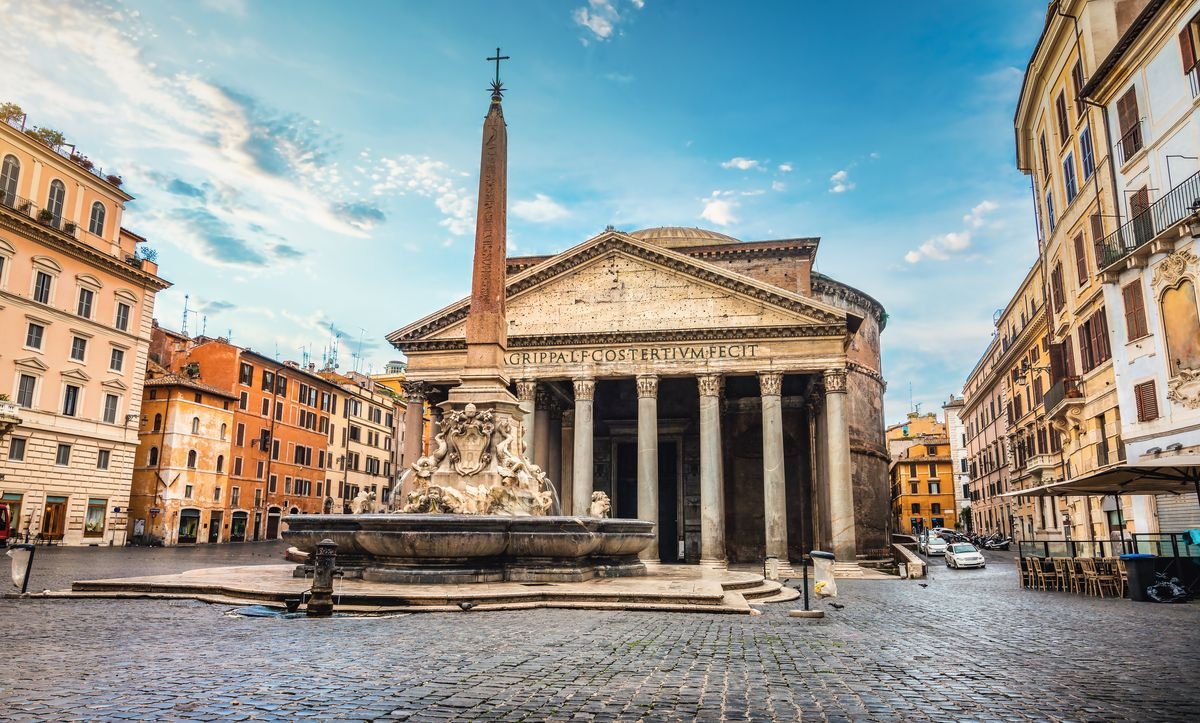
The Pantheon is one of the best-preserved monuments of ancient Rome and a true architectural masterpiece. Built in the 2nd century AD, it still impresses visitors with its massive dome, which remained the largest in the world for over 1,300 years.
Its most distinctive feature is the oculus - a circular opening at the top of the dome that lets natural light pour inside. Interestingly, despite the opening, the building’s drainage system works so well that it remains perfectly preserved.
Today, the Pantheon functions as a church and is also the burial place of the Italian painter Raphael.
Vatican City - travel tips
Located in the heart of Rome, the Vatican attracts millions of tourists and pilgrims every year. It is an independent city-state, home to the Pope and the centre of the Catholic Church. Despite covering just around 44 hectares, it holds an extraordinary wealth of history, art, and architecture.
Some of the most important attractions in Rome are located here, including St. Peter’s Basilica and the Vatican Museums.
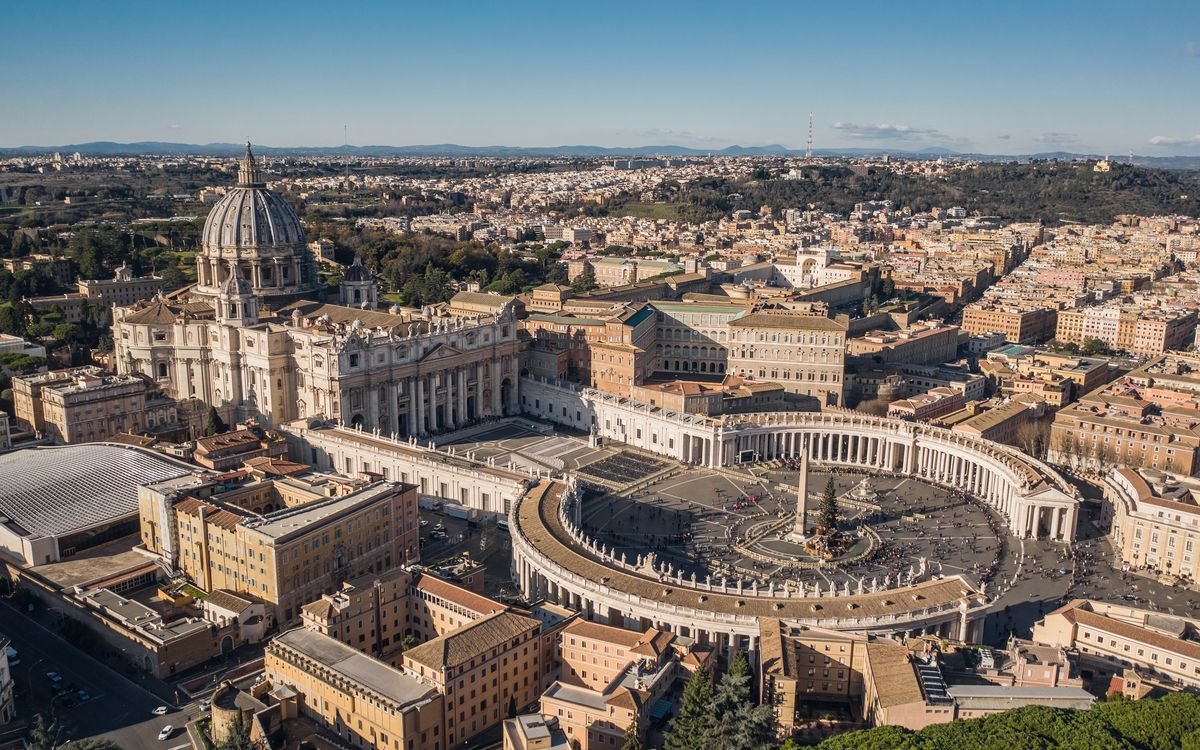
St. Peter’s Basilica - viewpoint and Porta Sancta
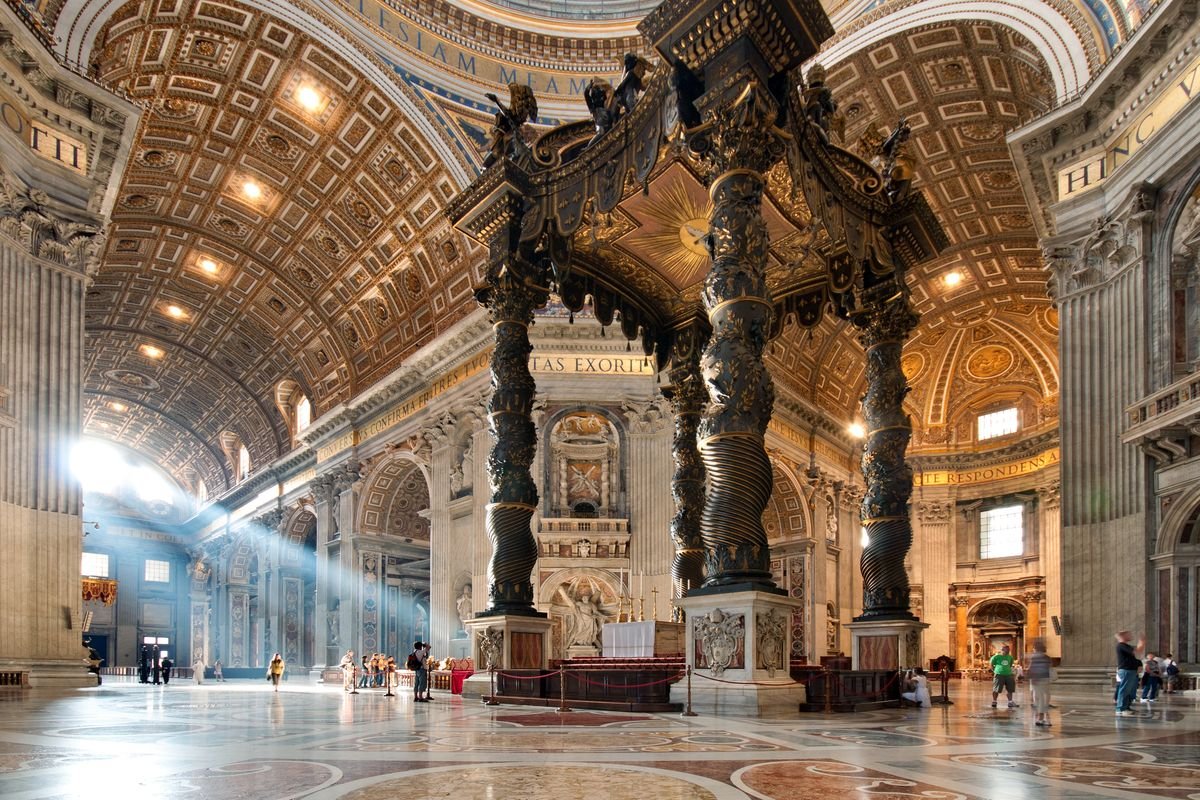
St. Peter’s Basilica is the largest church in the world and one of Rome's significant landmarks. Built in the 16th and 17th centuries, it stands on the site where, according to tradition, Saint Peter was buried.
Inside, the basilica impresses with its scale and intricate detail. Highlights include Michelangelo’s famous Pietà and Bernini’s monumental baldachin above the main altar.
The basilica is also home to the Porta Sancta, which holds special religious significance. Passing through it is an important spiritual act for believers and is associated with the granting of indulgences.
You can also climb to the top of the dome for panoramic views of St. Peter’s Square and the city of Rome.
Tomb of St. Peter
Beneath St. Peter’s Basilica lies the tomb of Saint Peter, one of the apostles and the first pope. This site holds immense religious significance and has attracted pilgrims from around the world for centuries.
This area can be visited through special access to the Vatican Necropolis. It’s a unique opportunity to learn about the foundations of Christianity.
Vatican Museums and the Sistine Chapel
The Vatican Museums are one of the largest museum complexes in the world. Their collections include thousands of works of art, from ancient sculptures to Renaissance masterpieces.
A visit here is a journey through art history. The route takes you through numerous galleries, including the Gallery of Maps, the Belvedere Courtyard, and the papal apartments.
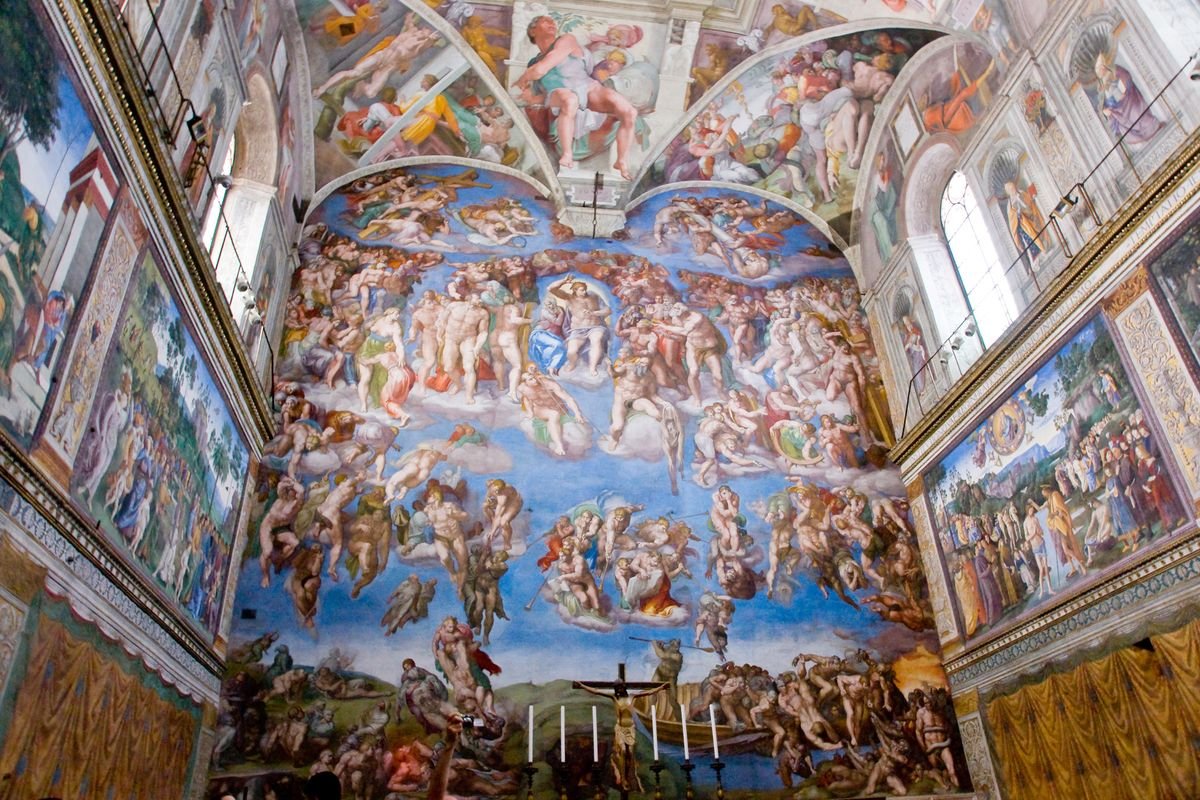
The highlight is the Sistine Chapel, home to some of the world's most famous artworks, especially Michelangelo’s frescoes. The most striking pieces include The Last Judgment and the iconic Creation of Adam on the ceiling.
This is also where the conclave (the election of a new pope) takes place. The chapel’s interior is breathtaking, though visitors should remember that silence is required and photography is not allowed.
Given its popularity, it’s best to plan your visit in advance and buy tickets in advance.
Explore the Vatican Museums & Sistine Chapel on a guided small-group excursion. Gain deeper insights into the art and history that you might miss on your own. Check details: https://seeplaces.com/excursions/italy/rome/vatican-museums-sistine-chapel-small-group-guided-tour/
Where to go for a walk in Rome?
Rome is best explored on foot. Almost every corner reveals historic landmarks, beautiful squares, and impressive architecture. Walking not only lets you see the top attractions in Rome, but also experience the city’s unique atmosphere.
Villa Borghese and Villa Borghese Gardens
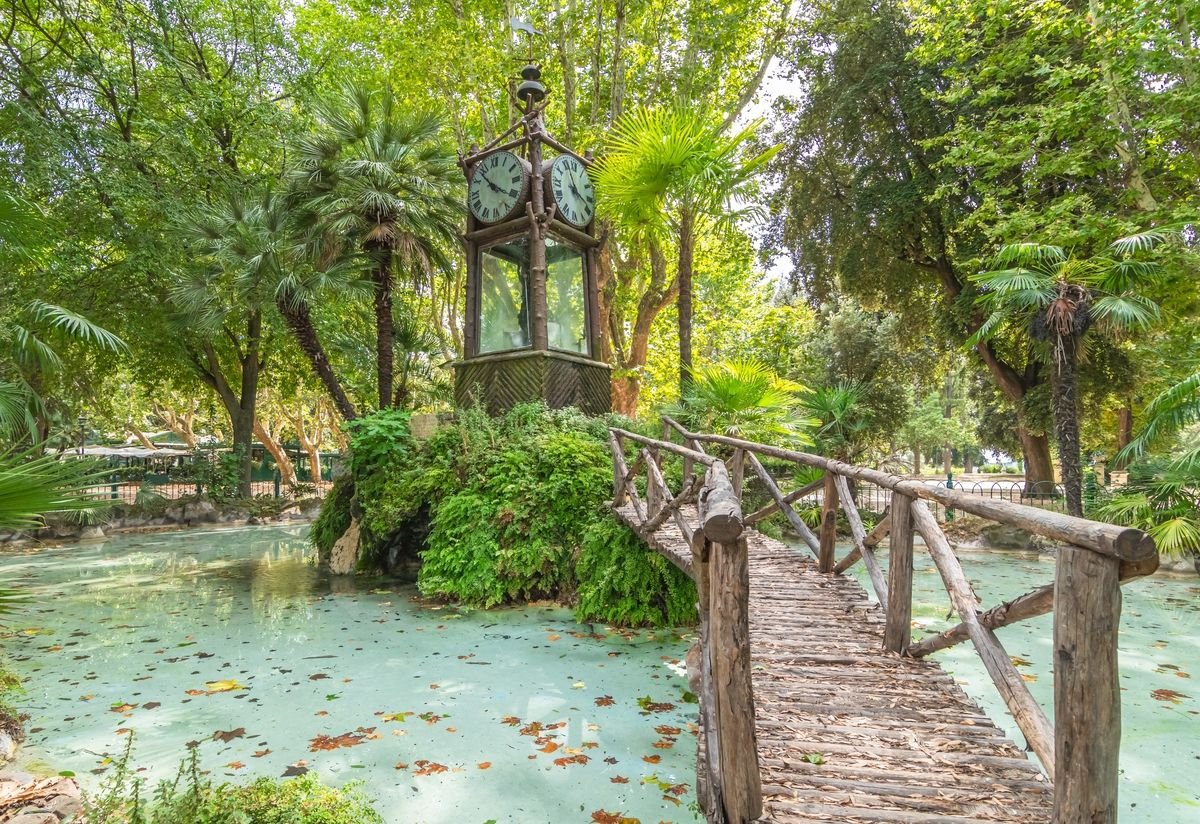
Villa Borghese is one of Rome's largest parks. The gardens offer wide walking paths, scenic viewpoints, and plenty of spots to sit, relax, or picnic. From the terraces, you can enjoy beautiful views over the city.
The park is also home to the Galleria Borghese, where you can admire works by Caravaggio and Bernini. It’s a great place to combine art with relaxation.
Piazza Venezia and Altare della Patria
Piazza Venezia is the main transport and reference point in Rome. Several major streets intersect here, making it a great starting point for exploring the city.
The most distinctive landmark on the square is the Altare della Patria, a monument dedicated to Victor Emmanuel II. This impressive white structure is often nicknamed the “wedding cake” because of its appearance.
You can head up to the viewing terrace for panoramic views of the city, including the Roman Forum and the Colosseum.
Trevi Fountain - the most popular attraction in Rome
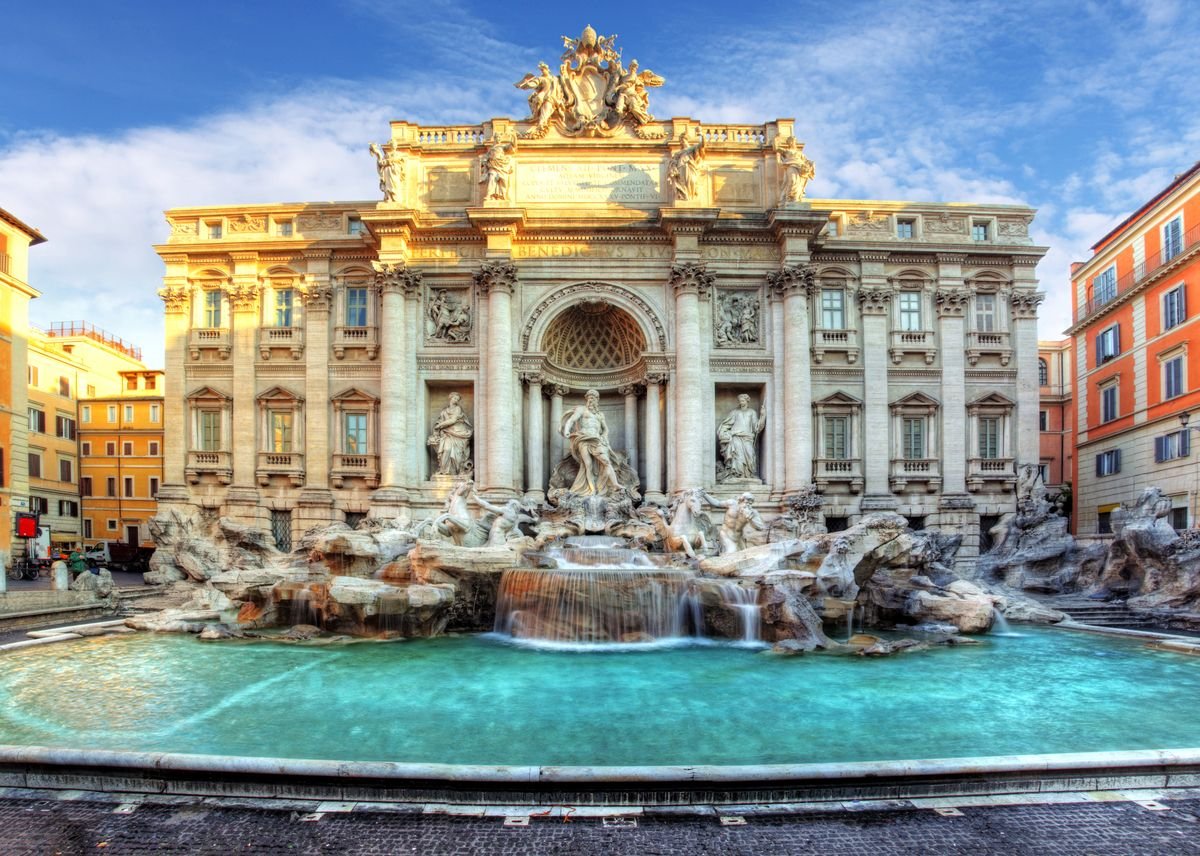
The Trevi Fountain is a world-famous fountain and a must-see in Rome. Completed in the 18th century, it stands out for its elaborate design and rich detail.
It can get very crowded, so it’s best to visit early in the morning or late in the evening.
Did you know that...?
According to tradition, tossing a coin into the fountain guarantees your return to Rome. Every day, thousands of coins are thrown into the water and later collected for charitable purposes.
Piazza Navona
Piazza Navona is a beautiful square, known for its elongated shape that reflects the layout of the ancient Stadium of Domitian.
At its centre stands the Fountain of the Four Rivers, designed by Bernini. This square also has two other fountains and numerous cafés and restaurants.
It’s an ideal place for a walk, a break with an espresso, and watching everyday Roman life.
Piazza del Popolo
Piazza del Popolo is a spacious square near one of the city's historic gates. At its centre stands an Egyptian obelisk, surrounded by symmetrical churches and elegant buildings.
From here, steps lead up to Pincio Hill, offering nice views of Rome, especially at sunset.
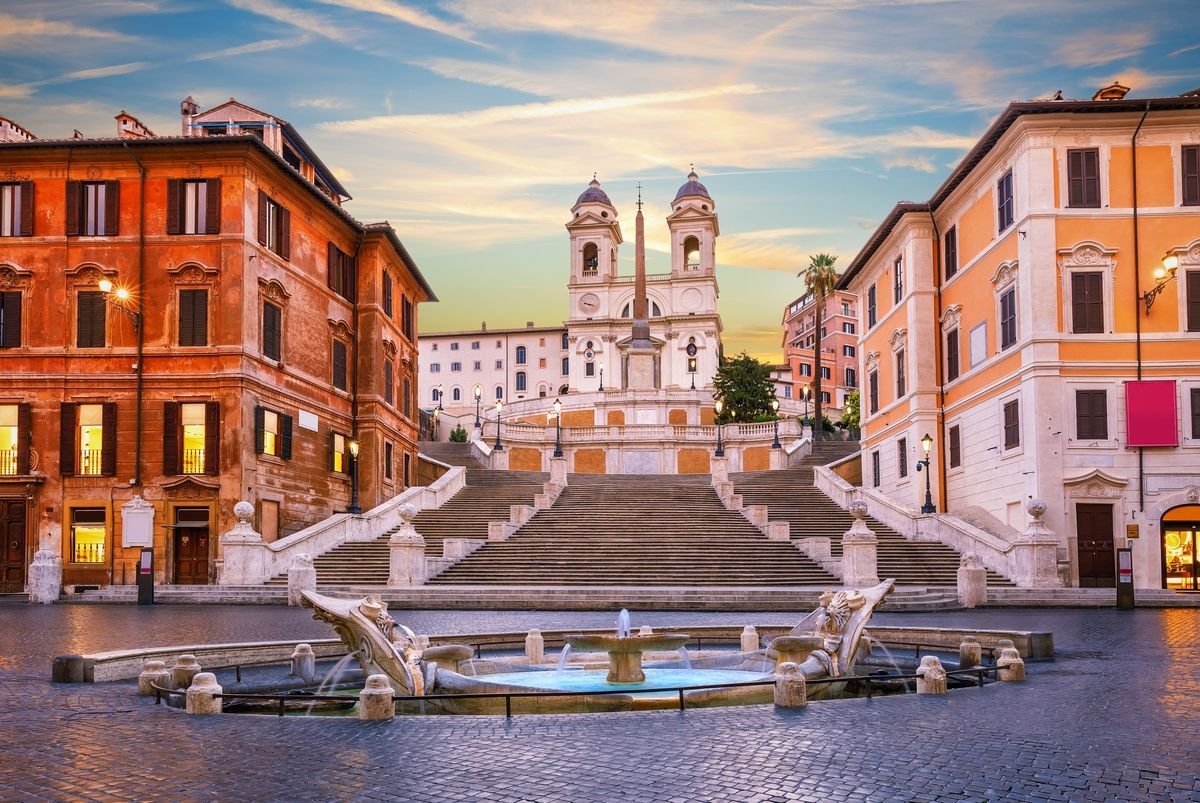
Spanish Steps (Piazza di Spagna)
The Spanish Steps at Piazza di Spagna are one of Rome's iconic sights. The square is named after the nearby Spanish Embassy.
The steps lead up to the Trinità dei Monti church and are among the most photographed spots in the city, as well as a popular meeting place for locals and tourists.
At the base of the steps, you’ll find the Barcaccia fountain, designed by Bernini, which adds even more charm to the setting.
Campo de’ Fiori
Campo de’ Fiori is a square that transforms throughout the day: serving as a lively market in the morning and a popular meeting spot in the evening.
The market stalls offer fresh fruit, vegetables, spices, and local products, making it a great place to experience the city's daily rhythm. At the centre stands a statue of philosopher Giordano Bruno, who was executed here in the 17th century.
Campo de’ Fiori is a perfect stop during a walk around Rome, whether for quick shopping or a relaxed break with coffee or a glass of Italian wine.
What to see near Rome?
Rome isn't just about monuments; it's also about everyday life. In its relaxed neighbourhoods, you'll find local markets, narrow streets, and a vibrant atmosphere that reveal the city's authentic character.
_12a930f116.jpg)
Trastevere
Trastevere is a charming district, located on the other side of the Tiber River. It has retained its authentic, more local feel.
As you walk through Trastevere, you’ll find narrow cobbled streets, colourful buildings, and small squares filled with restaurants and cafés. There, you can try traditional Roman cuisine, especially in the evening when the area comes alive.
It’s also worth visiting the Basilica of Santa Maria, one of Rome's oldest churches, famous for its beautiful mosaics.
How to plan a trip to Rome? Practical tips in the Eternal City
Planning your Rome itinerary well allows you to see more in less time and avoid unnecessary stress. The city is packed with attractions, so it’s worth preparing in advance and taking care of a few key details.
Flights to Rome
The easiest way to get to Rome is by plane. The city is well connected with major destinations across Europe and worldwide, with frequent direct flights from many international airports.
Rome has two main airports:
- Fiumicino - the main international hub,
- Ciampino - often used by low-cost airlines.
From both, you can easily reach the city centre by train, bus, or taxi.
_46d13873ab.jpg)
How many days to explore Rome?
The ideal amount of time to explore Rome is 3-4 days. This allows you to see the main attractions, such as the Colosseum, the Vatican, and the Trevi Fountain, without rushing.
If you have more time, consider staying 5-6 days. This gives you the chance to explore lesser-known spots, neighbourhoods like Trastevere, and parks such as Villa Borghese at a more relaxed pace.
Skip-the-line tickets when visiting Rome
Rome is one of the most visited cities in Europe, so queues for major attractions can be very long, especially at places like the Colosseum or the Vatican Museums.
Skip-the-line tickets are a great way to avoid waiting and save valuable time. During peak season, they are often essential for a smooth sightseeing experience.
You can find skip-the-line tickets in Rome on SeePlaces. Browse the offer and choose tours that will make your holidays even more memorable: https://seeplaces.com/excursions/italy/rome/
Best time to explore the Eternal City with fewer tourists
The best time to explore Rome is early in the morning or later in the afternoon. During these hours, there are fewer tourists and temperatures are more comfortable, especially in summer.
The most popular spots, such as the Trevi Fountain or the Spanish Steps, are best visited very early in the morning or late in the evening. This way, you can enjoy a more peaceful atmosphere and take photos without crowds.
Summary - Rome travel guide
Rome is a city that combines history, art, and the unique rhythm of everyday life. From ancient landmarks like the Colosseum and Roman Forum, through the monumental Vatican, to charming neighbourhoods like Trastevere - there’s something here for everyone.
The best attractions in Rome are worth connecting into a well-planned itinerary, but it’s just as important to leave room for spontaneous exploration. It’s during those walks, over a coffee, or in narrow side streets that the Eternal City truly reveals its authentic character.
_389209b585.svg)


