Discover Stone Town in Zanzibar. What are the must-see attractions?
Stone Town is the oldest part of Zanzibar City. Narrow streets wind between houses with carved doors, and the markets are filled with the aroma of exotic spices. Explore Stone Town's most interesting spots and discover what's worth visiting.
_43234ada91.jpg)
Stone Town - the old town of Zanzibar
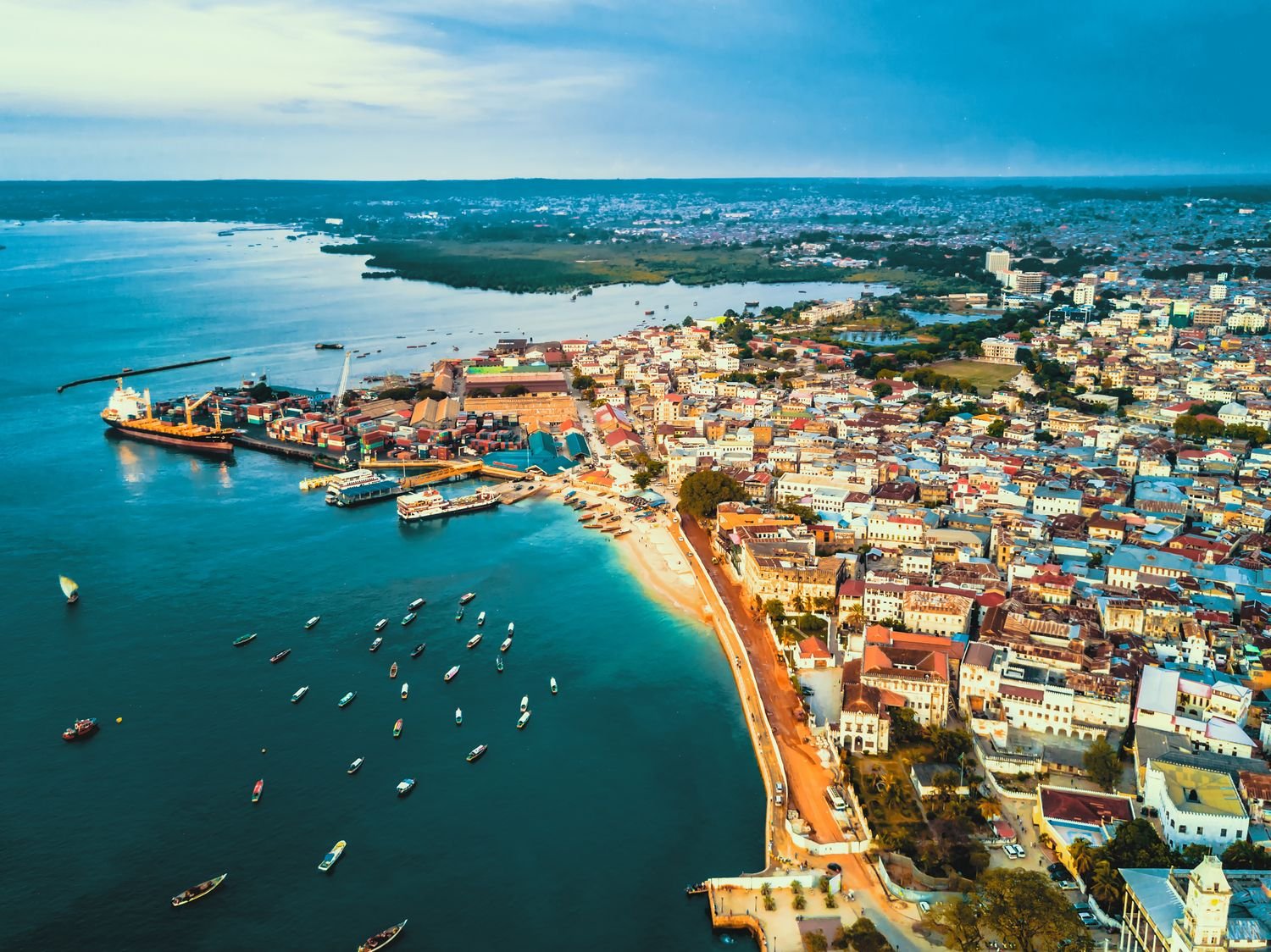
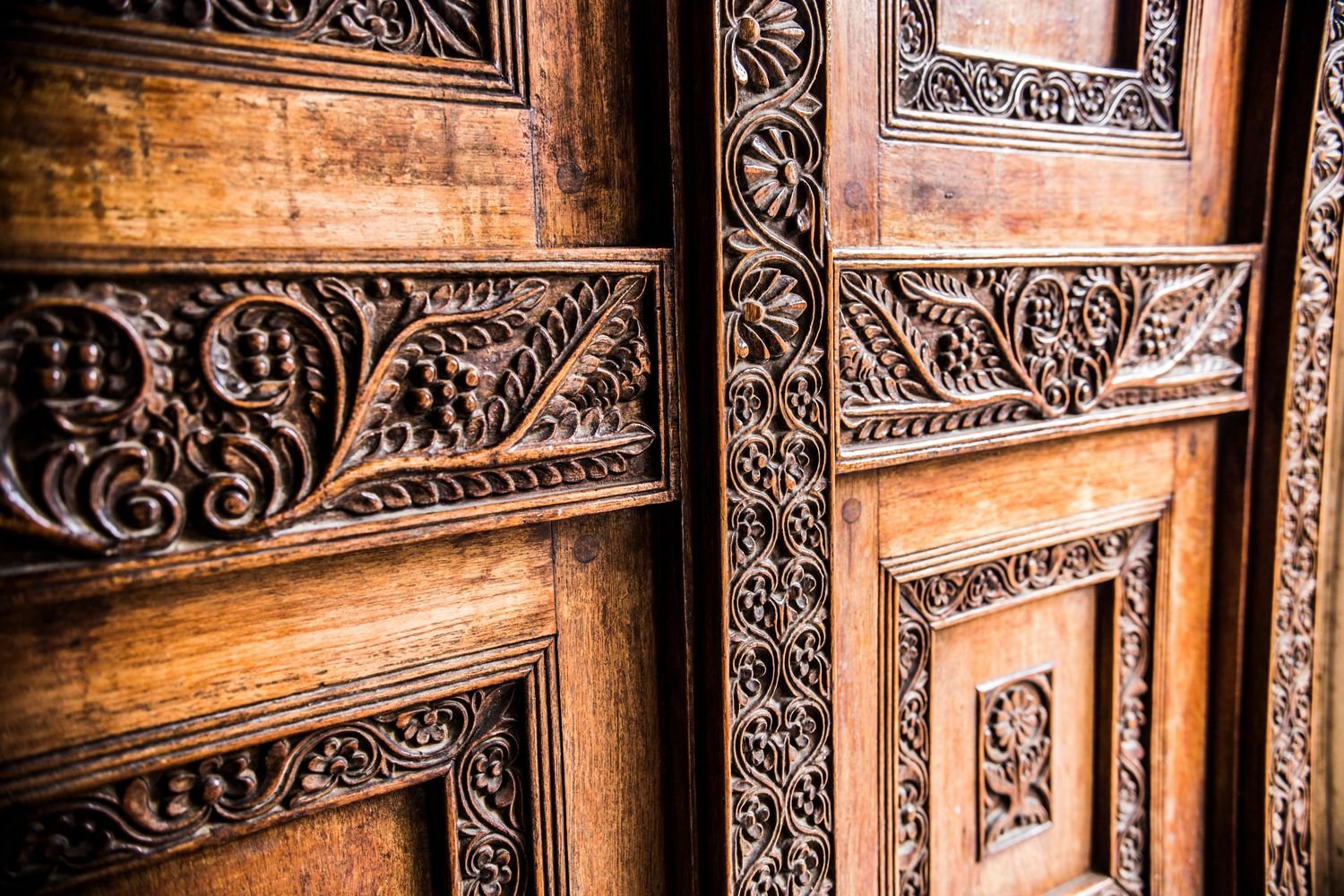
Stone Town is the historic centre of Zanzibar, located on the western coast of Unguja. For centuries, it served as an important port and a trading hub connecting Africa, Arabia, and India. Even today, you can clearly see the traces of this cultural blend in the narrow streets, Arab-style shops, and colonial buildings with balconies.
The stone city flourished in the 19th century, when Zanzibar became the capital of the Sultanate of Oman. It was during this time that impressive palaces, mosques, and markets were built, many of which can still be admired today.
Walking through Stone Town is like travelling through history - from the era of Omani sultans, through the spice trade period, to the colonial years. It is no surprise that the district was added to the UNESCO World Heritage List, as it is one of the best-preserved historic towns in East Africa.
How to get to Stone Town?
There are no direct flights from Poland to Zanzibar, but connecting flights are relatively easy to arrange. The most common routes go through Istanbul (Turkish Airlines), Dubai (Emirates), or Doha (Qatar Airways). A one-way journey usually takes 10–12 hours, depending on the route and layover time.
Stone Town is just 8 kilometres from Abeid Amani Karume International Airport, so after landing, you can reach it by taxi or hotel transfer in about 15–20 minutes.
Once you arrive, it is worth setting aside at least one day to explore Stone Town - the best way to understand Zanzibar's culture and history.
Freddie Mercury - where the legend was born
Freddie Mercury, born Farrokh Bulsara, came into the world in 1946 in Stone Town, in a Parsi family originally from India.
He spent his early childhood in a house located in the very centre of the old town. Today, a golden plaque hangs above the entrance to Freddie Mercury’s house. The building is easy to find during a walk through Stone Town – it stands not far from the waterfront and is one of the most frequently visited spots in the city.
Inside, you can find a small exhibition dedicated to the singer’s life, featuring family photos, interviews, memorabilia, and stories from his youth.
Although Freddie left Zanzibar at a young age and later grew up in India and the United Kingdom, the island’s residents are still proud that this is where the rock legend was born. For fans of the band Queen, it is a must-see stop.
Stone Town - what to see? Ultimate guide
In Stone Town, history blends with everyday life. Narrow streets lead to palaces, mosques, and markets. Be prepared for time to move a little slower here, and remember that one of the greatest attractions is simply wandering through the hidden corners of the district.
Sultan’s Palace (People’s Palace Museum)
The Sultan’s Palace, also known as Beit al-Sahel, was the residence of the Omani sultans who ruled Zanzibar in the 19th century. The building stands right by the coast and is recognisable thanks to its colonial façade and wooden balconies.
Today, the palace houses a museum where visitors can see furniture, clothing, and artefacts from the time when Zanzibar was an independent sultanate and a powerful trading centre in the Indian Ocean.
It is an excellent place to learn what life on the island looked like during its most prosperous period.

Darajani Bazaar
Darajani Bazaar is the oldest market in Stone Town. You can find everything here – from spices and fresh fruit to fish brought straight from the ocean. It is a great place to observe everyday life and experience Zanzibar's atmosphere.
The spice section is particularly worth visiting, as the cinnamon, cloves, and vanilla sold here are known for their intense aroma and flavour.
Keep in mind that the market is busy and noisy, so the best time to visit is in the morning.
Forodhani Gardens
In the evening, life moves to Forodhani Gardens, a seaside park located right by the ocean. It is a popular meeting place for locals and visitors alike.
After sunset, a night food market opens here where you can try grilled fish, prawns, skewers, and the famous Zanzibar pizza.
With the ocean sunset in the background and the aroma of freshly prepared diishes in the air, it is one of the most atmospheric spots in the city.
The former slave market
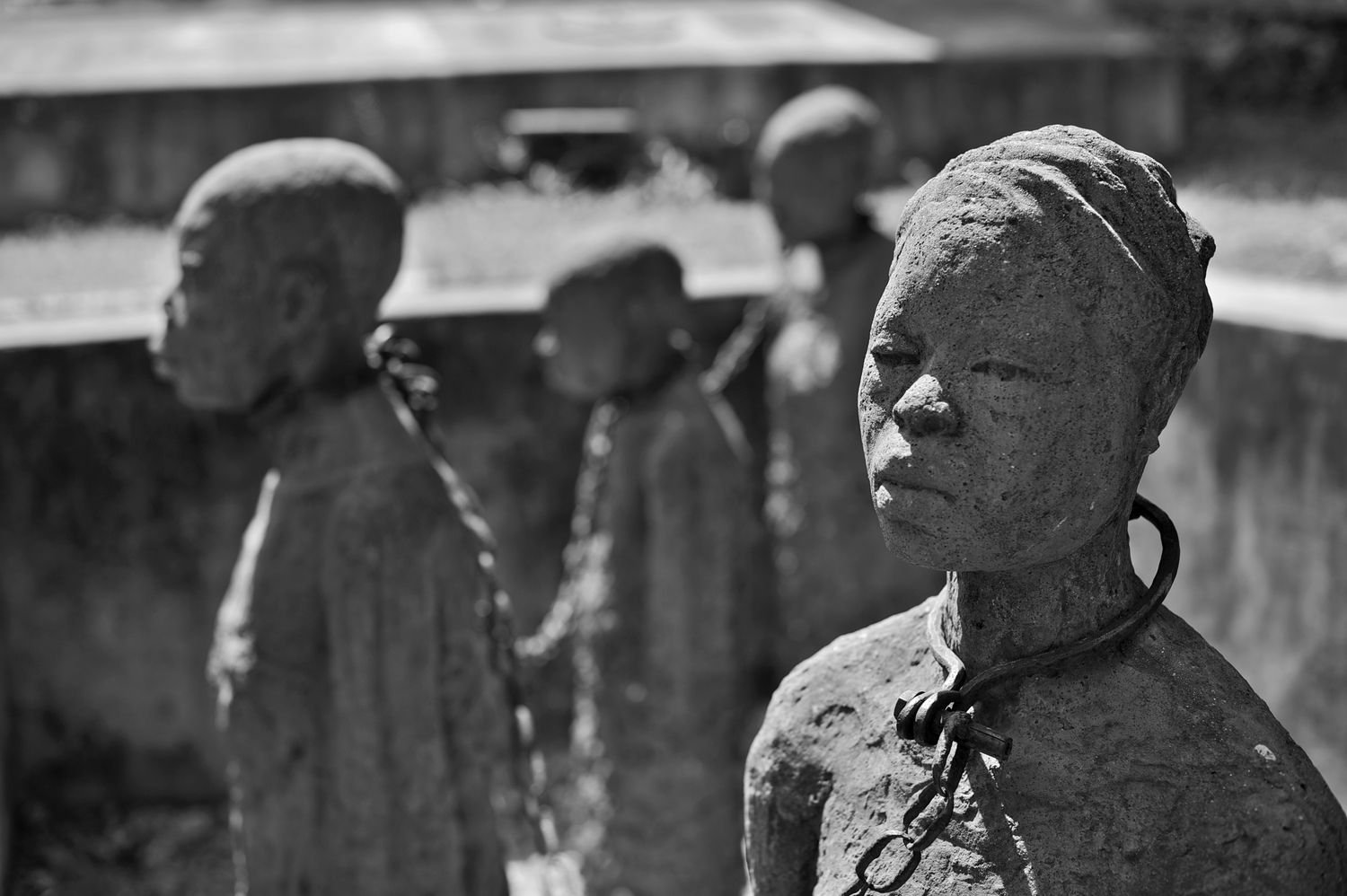
The former slave market in Stone Town is one of those places that leave a lasting impression. In the 19th century, Zanzibar was one of the most important centres of the slave trade in East Africa. Thousands of people passed through the port in Stone Town, mainly from present-day Tanzania, Mozambique, and Congo, and were sold into labour in Arabia, Persia, and the islands of the Indian Ocean.
Today, the Anglican Cathedral of Christ Church stands on the site of the former market. It was built in 1879 as a symbol marking the end of slavery. The cathedral's altar stands exactly where the main post once stood - the place where enslaved people were whipped and examined before being sold.
The underground chambers where people were once held in terrible conditions have also been preserved beneath the cathedral.
Next to the cathedral stands the Slave Market Memorial - a sculpture created by Swedish artist Clare Axtell, depicting a group of chained figures standing in a stone pit.
This place is a powerful reminder of a painful chapter in Zanzibar’s history that cannot be ignored when visiting Stone Town.
Old Fort
Right next to the House of Wonders, opposite Forodhani Gardens, stands the oldest building in Stone Town - the Old Fort.
It was built at the end of the 17th century by Omani Arabs who wanted to protect the city from Portuguese attacks. Its thick stone walls and defensive towers still make a strong impression, and a walk through the courtyard is one of the most popular experiences in Stone Town.
Over the centuries, the fort served different purposes. In the 19th century, it functioned as a garrison and prison, and between 1905 and 1928, it was used as a railway terminal.
Today, it plays a completely different role – a lively cultural space hosting concerts, events, and exhibitions. Small handicraft shops operate inside the complex, and in summer, it becomes one of the venues for the Zanzibar International Film Festival (ZIFF).
In the evening, you can sit in one of the cafés near the fort walls and watch the sunset over the waterfront. The Old Fort perfectly shows how the past and the present meet in Zanzibar.

House of Wonders
The House of Wonders, located next to the Sultan’s Palace, is the largest and most famous building in Stone Town. It was built in 1883 as the palace of Sultan Barghash.
Its name comes from the fact that it was the first building in Zanzibar to have electricity and an elevator – real “wonders” at the turn of the 19th and 20th centuries. For many years, the building housed a museum presenting the history of Zanzibar and Swahili culture.
Currently, the House of Wonders is undergoing renovation following the collapse of part of the structure. However, it is still worth seeing from the outside thanks to its impressive façade with columns and balconies.
Is Stone Town worth visiting?
Absolutely! Stone Town shows Zanzibar from a wholly different perspective than its paradise beaches and luxury resorts.
In this district, history blends with everyday life. You will walk through a maze of streets, smell spices at the market, and hear locals chatting in the shade of old walls. Exploring Stone Town lets you feel the spirit of the past while seeing how modern Zanzibar lives today.
Even a one-day visit is worthwhile. Start by giving yourself time to simply get lost - wander through the streets, visit the market, sit in a café overlooking the ocean, and let the city tell you its story.
_389209b585.svg)


