Holidays checklist - what to do before travel? Visas, insurance and internet
Before you set off on holiday and forget about your responsibilities, take a moment to deal with a few practical matters. Which documents do you need to take? Do you need any vaccinations? Which travel insurance should you choose? Don't worry - we have gathered all the information below. Read on to find out what you need to do before going on holiday abroad.

What documents do you need for a holiday abroad?
A plane ticket and hotel booking are only the beginning. The documents you need to take depend mainly on your destination, nationality, and travel route. Do not rely solely on what was required during your previous holiday - regulations can change.
ID card or passport?
You can travel to EU countries with a valid national ID card, while a passport is required for destinations outside Europe.
Check not only the document's expiry date, but also how long it must remain valid after entry. Some countries require passports to remain valid for another 3-6 months. Also, make sure the document is undamaged and that the details on your ticket match those on your passport.
Travelling with a child? Even a baby requires their ID card or passport, depending on the destination. If the child is travelling with one parent, grandparents, or another guardian, check the destination country's rules on consent to travel, as well as the carrier's requirements.
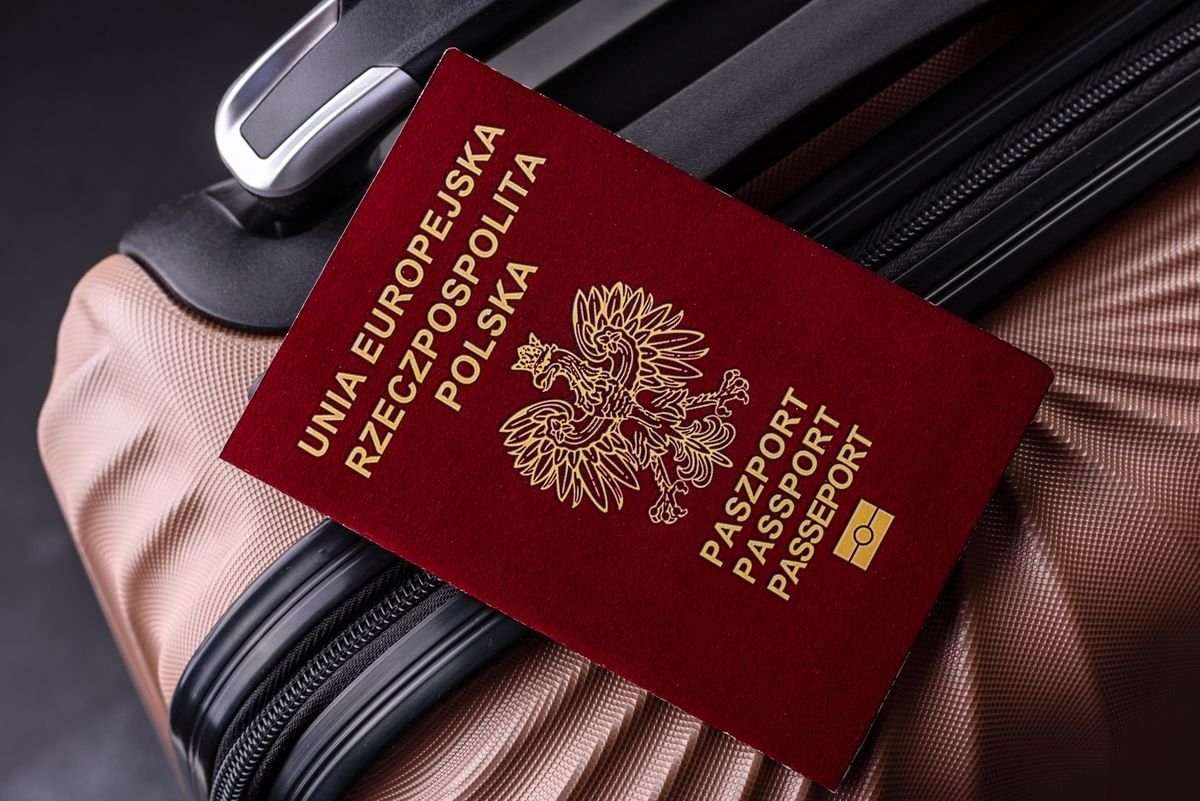
Do I need a visa?
Start with the official government website - select the country, then check the entry requirements: whether you require a visa, electronic travel authorisation, pre-arrival registration or additional documents.
If you need a visa, check the application processing time. This is definitely not something to leave until the night before.
Have a connecting flight? Check the transit rules as well. If you change airports, collect your baggage and check in again, you may need permission to enter the country where you are connecting. In some places, additional formalities apply even if you remain in the transit area.
Health before a holiday abroad
Not every trip requires a visit to the doctor, medical tests or vaccinations. You will prepare differently for a week in Italy than for trekking through a tropical rainforest.
Do you need any medical tests before you travel?
There is no single set of medical tests required before every holiday abroad. If you feel well and are going on a typical holiday, a routine set of tests 'just in case' is usually unnecessary.
However, it is worth arranging a medical consultation if you have a chronic condition, are pregnant, have a weakened immune system or are travelling to a region with specific health risks. Your doctor will assess whether you need additional tests, preventive treatment or changes to how you take your medication.
Vaccinations before travelling abroad
It is best to arrange a travel health consultation around 6-8 weeks before departure, especially if you are travelling to a tropical country. Some vaccinations require several doses, and immunity does not develop immediately.
A doctor may recommend vaccinations against hepatitis A, typhoid or other diseases, depending on the destination and nature of your trip. Some countries require proof of yellow fever vaccination. These requirements may also depend on a previous stay in or transit through a risk country.
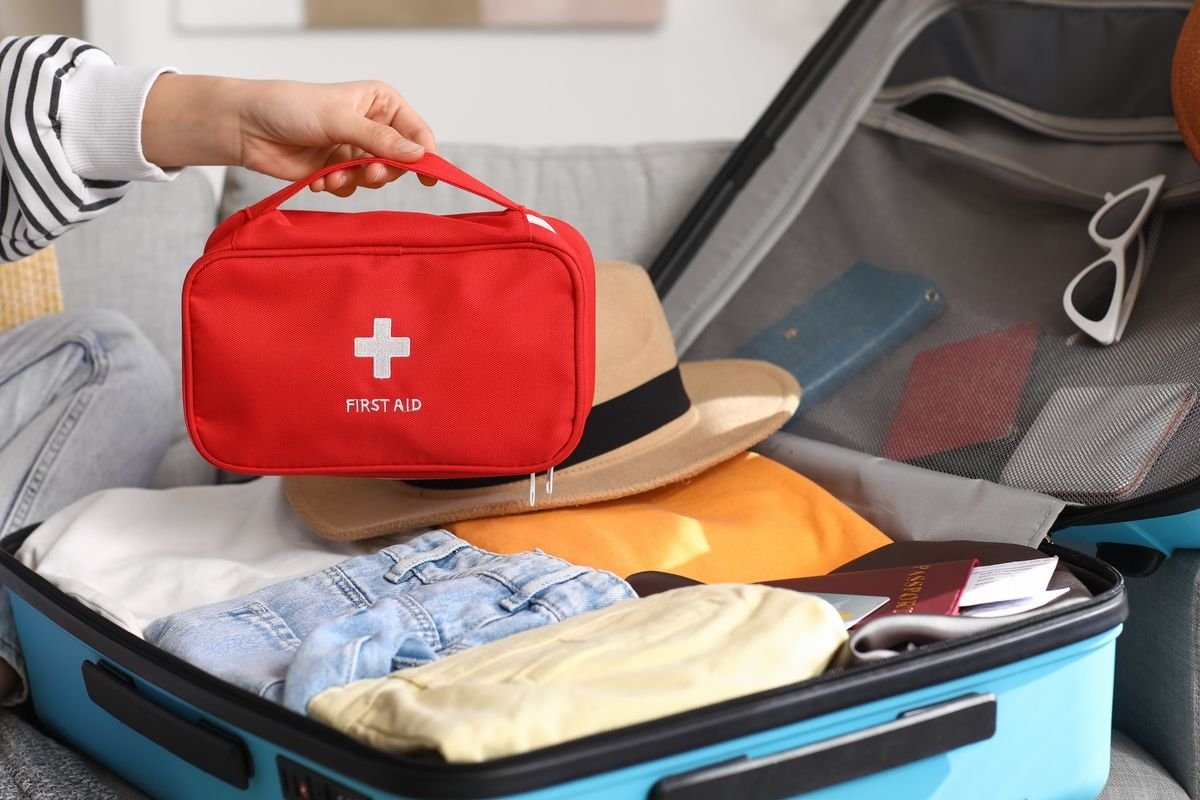
How should you prepare a travel first-aid kit and medication?
Your first-aid kit does not need to take up half your suitcase. It should reflect where you are going and who you are travelling with. It is usually worth packing:
- medication you take regularly, with a small extra supply in case your return is delayed,
- dressings, plasters, and an antiseptic for minor wounds,
- painkillers and fever reducers,
- remedies for food poisoning,
- sunscreen and insect repellent.
It is best to carry prescription medication in its original packaging. Check the rules on bringing medicines into the country, especially if they contain controlled substances. Being allowed to buy or use a medicine in your country does not automatically mean you can take it into every country.

Which travel insurance should you choose?
Imagine spraining your ankle during a trip and needing medical help. You would rather know whom to call and what your policy covers than read the general terms and conditions on your phone.
When selecting a policy, do not look at price alone. Compare the following in particular:
- Medical expenses - what does the policy price include? Also check the excess and exclusions.
- Medical transport and rescue - does the policy cover transport to a suitable medical facility and your return to Poland? Does it cover rescue operations?
- Chronic conditions - is treatment related to the covered condition, or does it require additional cover?
- Planned activities - snorkelling, scuba diving, scooter riding, mountain trekking or water sports may be subject to different rules.
Also check the number of the 24-hour assistance centre, how to submit a claim and whether the insurer arranges treatment or requires you to pay upfront.

How should you pay abroad - by card or in cash?
In many places, you can pay by card for a coffee, ticket or lunch, but at a small market, on a bus or in a car park, a little cash can prove very useful.
It is better to carry some local currency than have to search for the nearest cash machine, stressed. Remember that many banks also charge a fee for cash withdrawals abroad or in another currency.
How should you set up a backup payment method?
Do not rely on just one payment method, as you could run into problems if you are robbed. It is worth carrying, for example, both cash and a card, but keep them separately.
Check that you know your PIN, have set appropriate limits and can quickly block your card in the app or by calling the bank.
Internet access abroad
Your phone is a map, camera, wallet, and ticket holder all in one. But all of these functions become less useful if you suddenly lose signal or data access after leaving the airport.

Roaming - how can you check charges and limits?
In EU countries, you can use your phone on terms similar to those at home. However, this does not always mean unlimited data - your operator may apply a fair-use data limit.
Be careful on cruises: a phone connected to a ship's satellite network can generate much higher charges than a terrestrial network. In this situation, the safest option is to switch off data roaming or enable aeroplane mode.
Internet access abroad
The best option depends on the length of your stay and how much data you use.
- Roaming from your operator works well for shorter trips when you will not use your phone often, for example on an all-inclusive holiday spent mainly by the hotel pool.
- A local SIM card can be a practical option for a longer stay.
- An eSIM lets you activate a data package without inserting a physical card, provided your phone supports the technology.
Before departure, download offline maps, saved tickets, your hotel address, booking confirmations and your policy number.
Get 1 GB of travel data!
When you make a booking for one of the selected destinations on SeePlaces, we will give you a free Hubby eSIM with 1 GB of data for use outside the European Union. Get online without expensive roaming charges as soon as you land!
Do you need a plug adapter?
It depends on the country. In many parts of Europe, you can use your chargers without an adapter, but the United Kingdom and Malta, for example, use different sockets from those in the EU. The voltage standard is also different in the United States.

What should you check the day before departure? A to-do list
Use the final evening before your journey to calmly tie up the loose ends rather than do any major shopping. This short list will help you catch the things that are easy to overlook:
- Check the departure time of your flight or other transport.
- Check when you will arrive and whether you can go straight to your hotel.
- Check in online if your carrier requires it.
- Put your physical travel document in your hand luggage.
- Save your boarding pass, accommodation address, insurance policy and bookings offline.
- Charge your phone and power bank.
- Pack charging cables and an adapter if needed.
- Check the weather forecast and baggage rules.
- Set your alarm with enough time for the journey and security checks.
Ready? Now you can think about the more enjoyable part of the trip: your first swim in the sea, the view from the trail or dinner somewhere whose name you still cannot pronounce. Good preparation does not take the spontaneity out of a holiday. It simply gives you more freedom once you arrive.

- 16.09.2026


