Holidays in Tunisia - what should you see? Discover 8 places to visit
Relaxing on Djerba, strolling through the medina in Sousse, or perhaps exploring the historic sights of Tunis? Tunisia offers plenty of ways to combine time on the beach with sightseeing. Discover places worth considering, popular resorts and attractions available beyond the summer season. Find out what you need to see during a holiday in Tunisia!
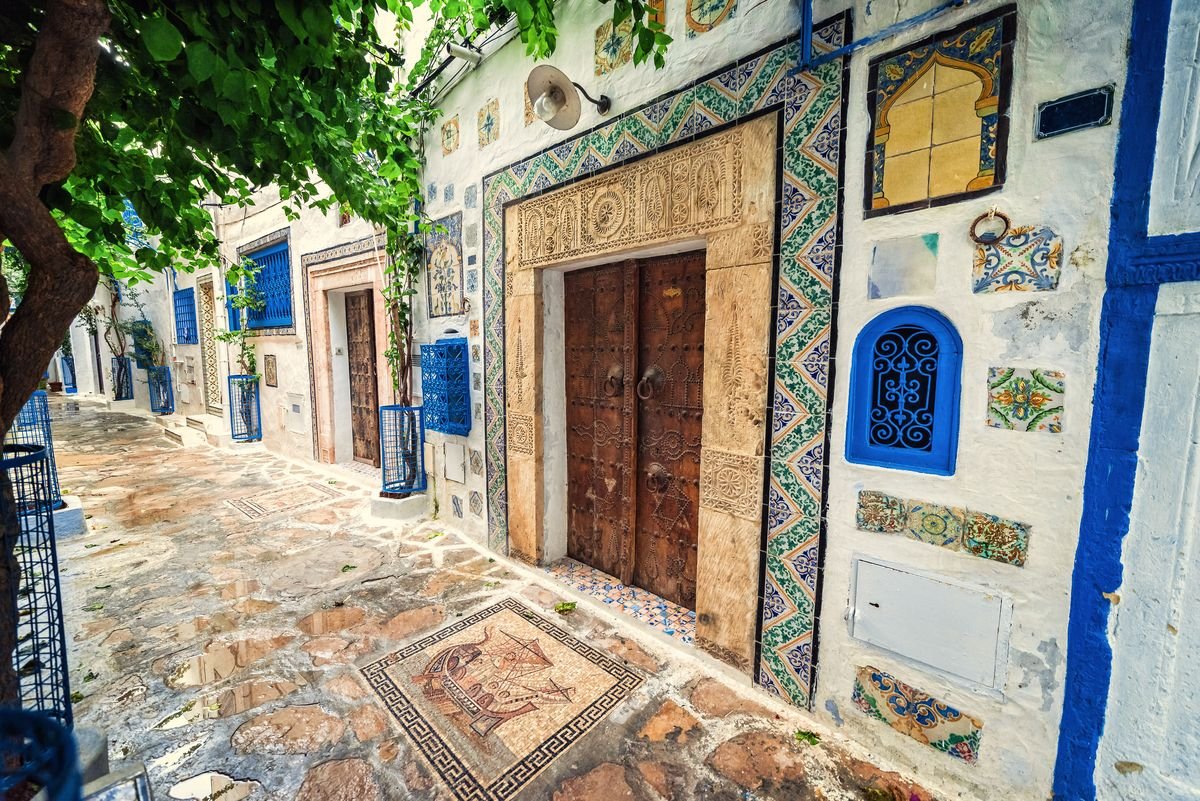
What should you know before a holiday in Tunisia?
Tunisia attracts millions of tourists every year, and its popularity continues to grow. In 2025, the country welcomed 11.3 million international tourists.
The country is worth exploring beyond its seaside resorts and all-inclusive holidays. In the north, you will find Mediterranean landscapes; inland, archaeological sites; and in the south, the Sahara Desert.
The remains of Punic and Roman cities, medinas and old fortifications reflect Tunisia's history. This variety lets you combine relaxing on the beach with discovering the country's culture and historic sights.
What is the weather like in Tunisia?
The weather depends on the region and time of year. A Mediterranean climate dominates the north and much of the coast: summers are hot and dry, while winters are milder and wetter. The climate becomes increasingly dry towards the south, turning desert-like in the Sahara. Tunisia is also a good choice for a last-minute holiday, as it enjoys 300-320 sunny days a year.
For longer walks through medinas and visits to archaeological sites, choose spring or autumn, when temperatures are usually milder. Summer temperatures can be extreme!
You can also explore historic sites and museums in winter, but do not assume you will be able to swim in the sea or pool every day. Rainfall can occur, particularly in the north, and you may need a warmer layer in the evening.
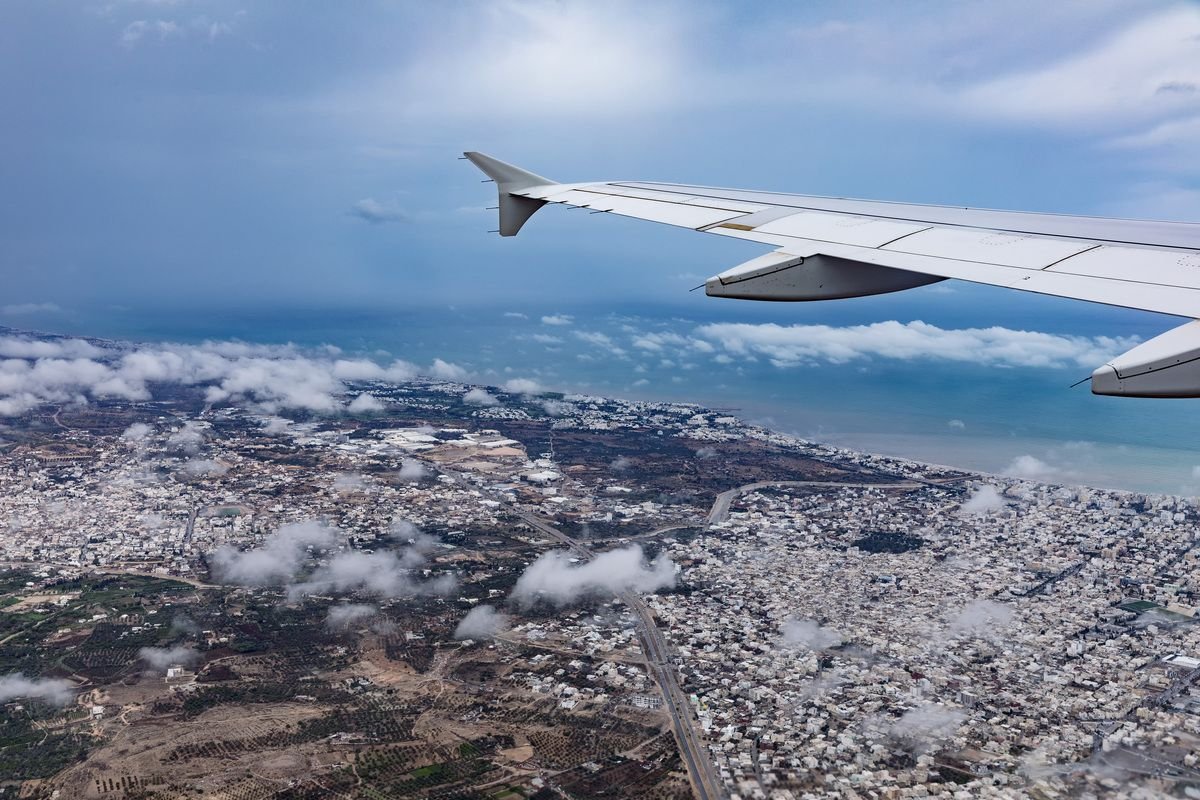
Flights to Tunisia
Direct flights from over 60 global cities - mainly across Europe, North Africa, and the Middle East. The exact duration depends on the departure and arrival airports and the conditions along the route.
When planning your holiday, first check the arrival airport and the transfer time to your hotel. Monastir and Enfidha airports serve trips to resorts on the east coast, while Tunis-Carthage lets you start your journey in the capital region.
Djerba - an island for a relaxing holiday in Tunisia
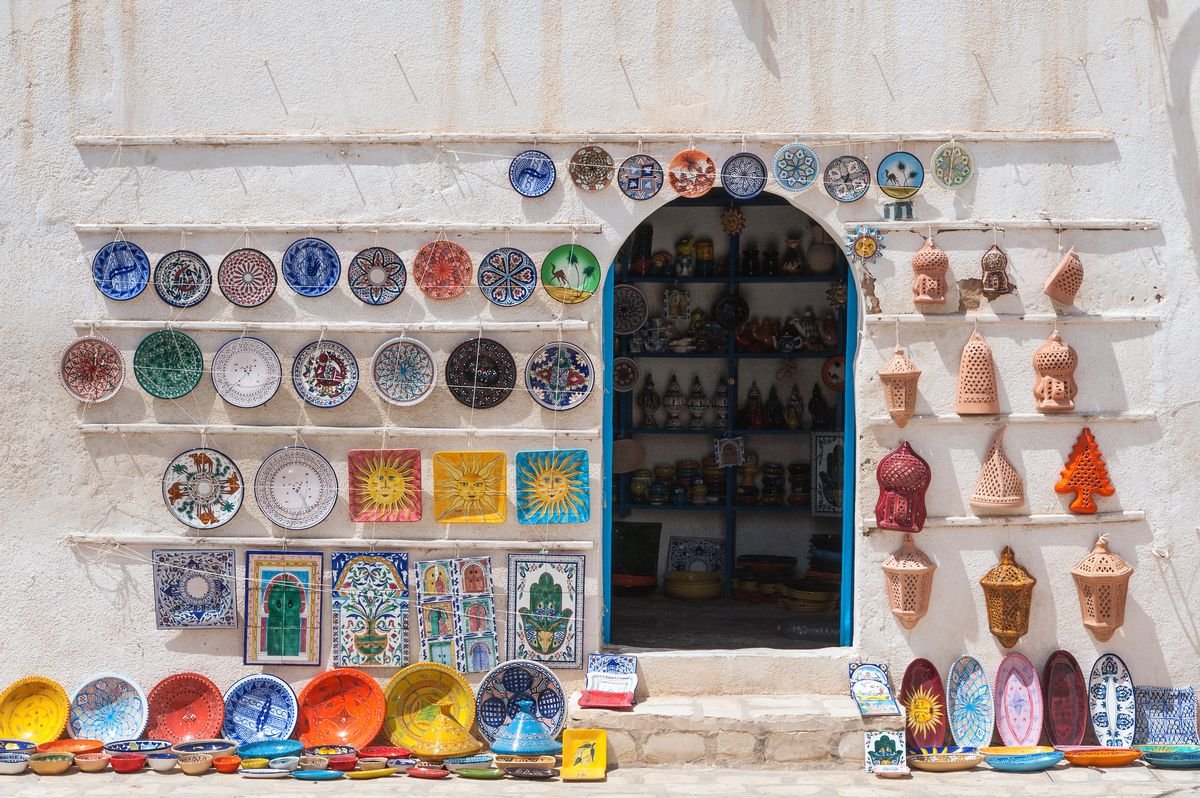
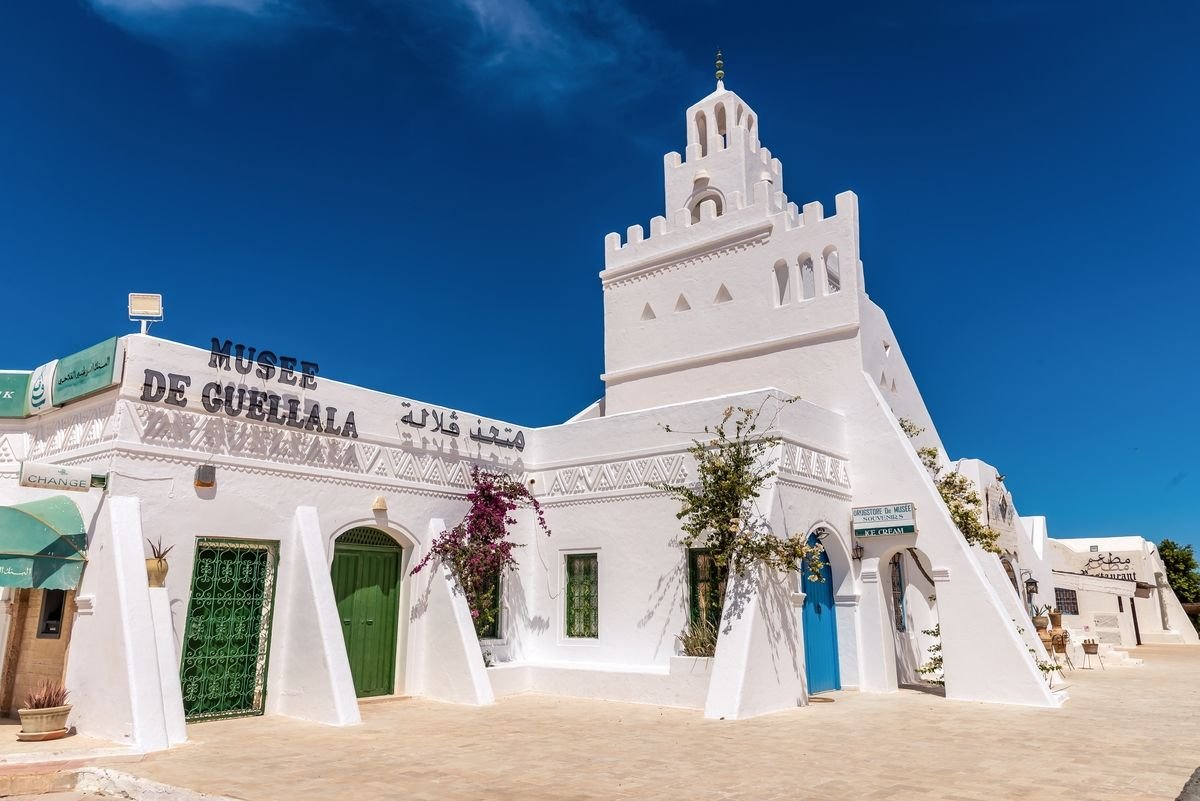
On Djerba, also known as Jerba, it is worth leaving the hotel beach at least once. In Houmt Souk, you can visit a Tunisian market, pottery workshops, and look for murals on the walls of houses. Each place shows a slightly different side of the island.
If you enjoy sightseeing without rushing, choose a few stops and leave yourself time for a walk. The pleasure of exploring Djerba also lies in the details: the shapes of its white buildings, ceramic decorations and items displayed on market stalls.
What to see on Djerba?
- Houmt Souk - the island's main town, with markets and former merchants' inns known as fondouks. A good place to start exploring.
- Djerbahood in Erriadh - an open-air street art gallery. The murals are part of the townscape, so you discover them during an ordinary walk.
- Guellala - a village known for pottery. It is worth visiting the workshops and watching ceramic vessels being made.
- Fort Borj Ghazi Mustapha - a fortress in Houmt Souk that you can visit while exploring the town.
Hammamet - a popular seaside resort
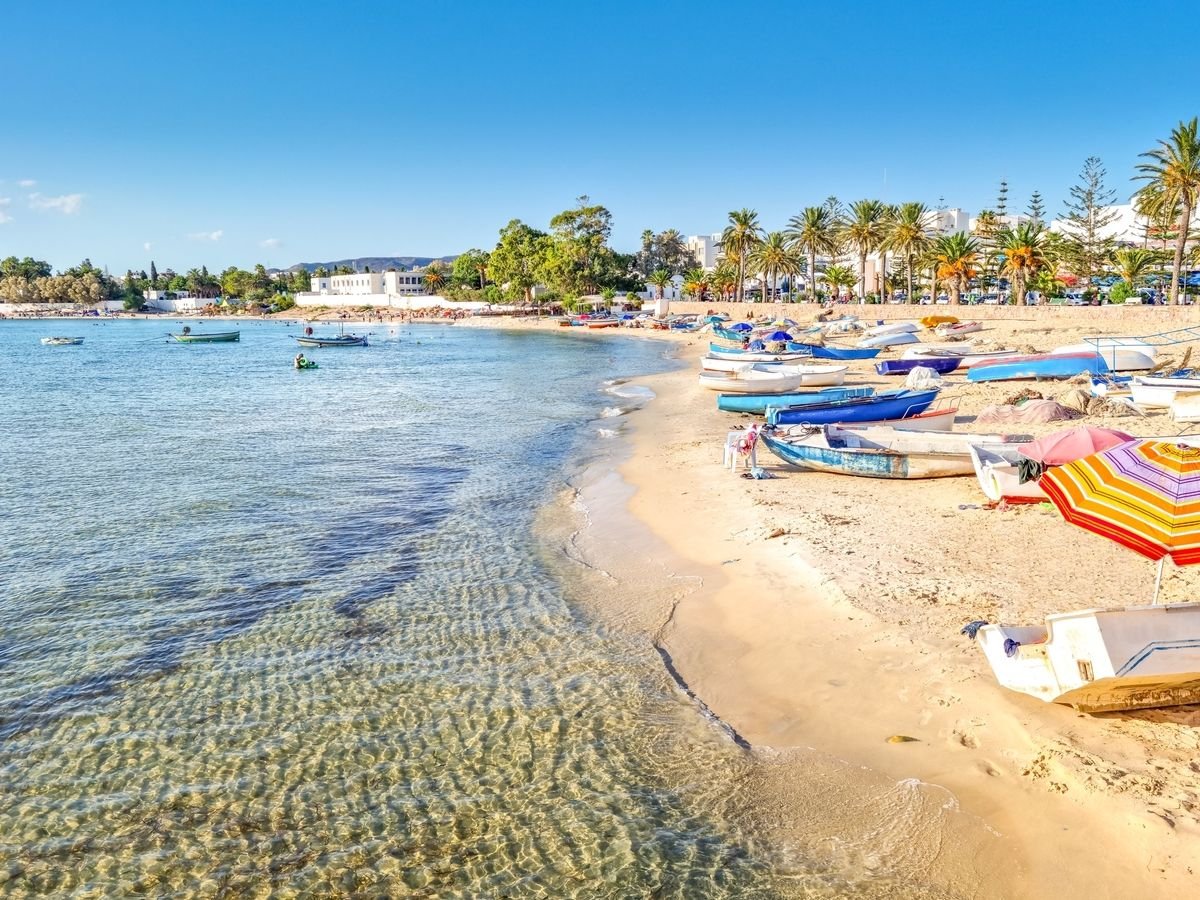
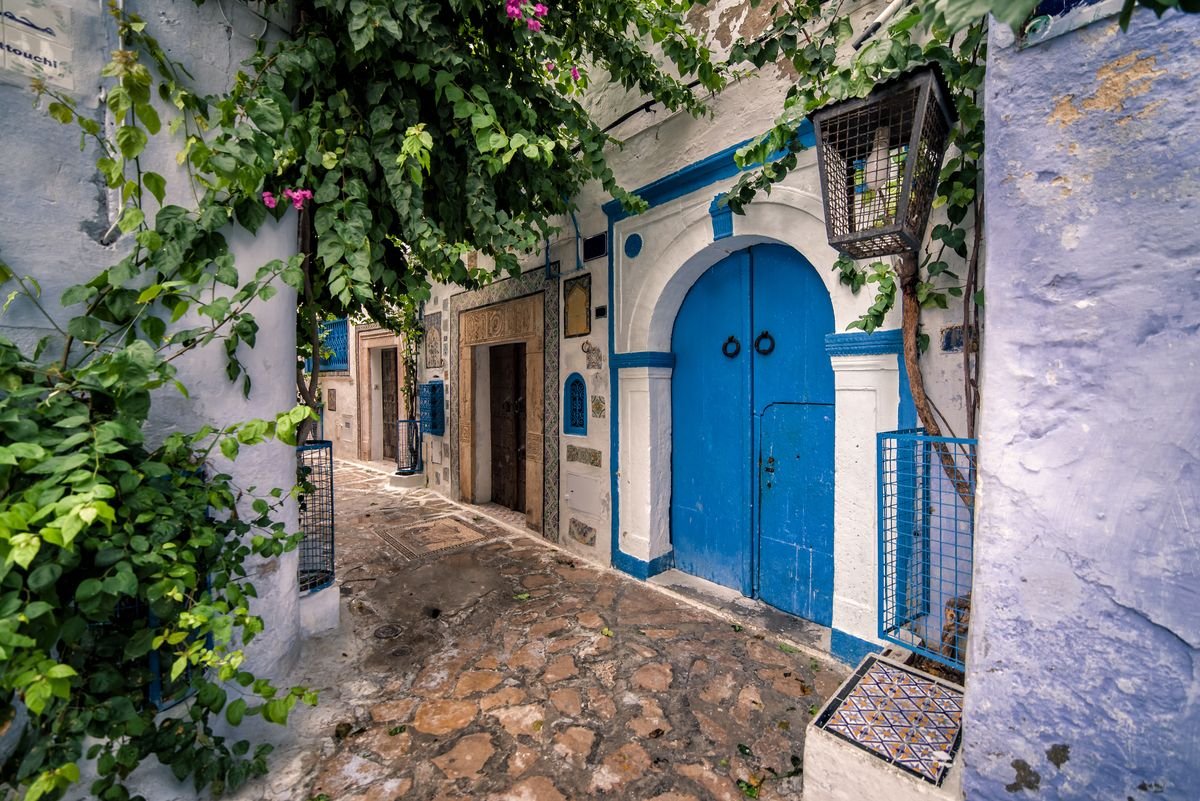
In Hammamet, the sea remains part of the experience even while you are sightseeing. The old medina sits right by the shore, and you can combine a walk between the whitewashed houses with a visit to the fort and a break for local tea.
What to see in and around Hammamet?
- The old medina - narrow streets, defensive walls and shops where it is easy to linger. The best way to explore it is on foot.
- Hammamet Fort - it is worth visiting mainly for the views over the bay and the old town.
- Yasmine Hammamet Marina - a place for a stroll among the yachts, followed by a meal at one of the restaurants.
- Medina Mediterranea - a modern complex inspired by a traditional Arab town. Although its appearance evokes historic medinas, it was created as a tourist attraction.
Do you know that...
The medina is the oldest part of a city in many North African countries, including Tunisia. It is often surrounded by historic defensive walls, with narrow streets winding between homes, workshops, and marketplaces.
Korba - relaxation on the Cap Bon Peninsula
If you mainly want to relax by the sea during your holiday and go sightseeing occasionally, consider Korba. It lies on the mainland of Tunisia, on the Cap Bon Peninsula, in a region of beaches, orchards, and farmland.
Here, your all-inclusive holiday in Tunisia can be simple: a few quiet days on the coast and trips to selected places around the peninsula.
What to see in Korba and around Cap Bon?
- Beaches around Korba - the sandy coastline is the main attraction for travellers seeking relaxation.
- Nabeul - a town famous for pottery. Decorated bowls, plates and tiles can make interesting travel souvenirs.
- Kerkouane - the remains of a Punic city listed as a UNESCO World Heritage Site. A good choice for anyone who wants to discover Tunisia's ancient history.
- Kelibia Fort - a destination where you can see a historic fortification and panoramic coastal views.
Mahdia - a paradise for history lovers
Mahdia was the first capital of the Fatimid dynasty - it is worth leaving yourself time for a longer walk.
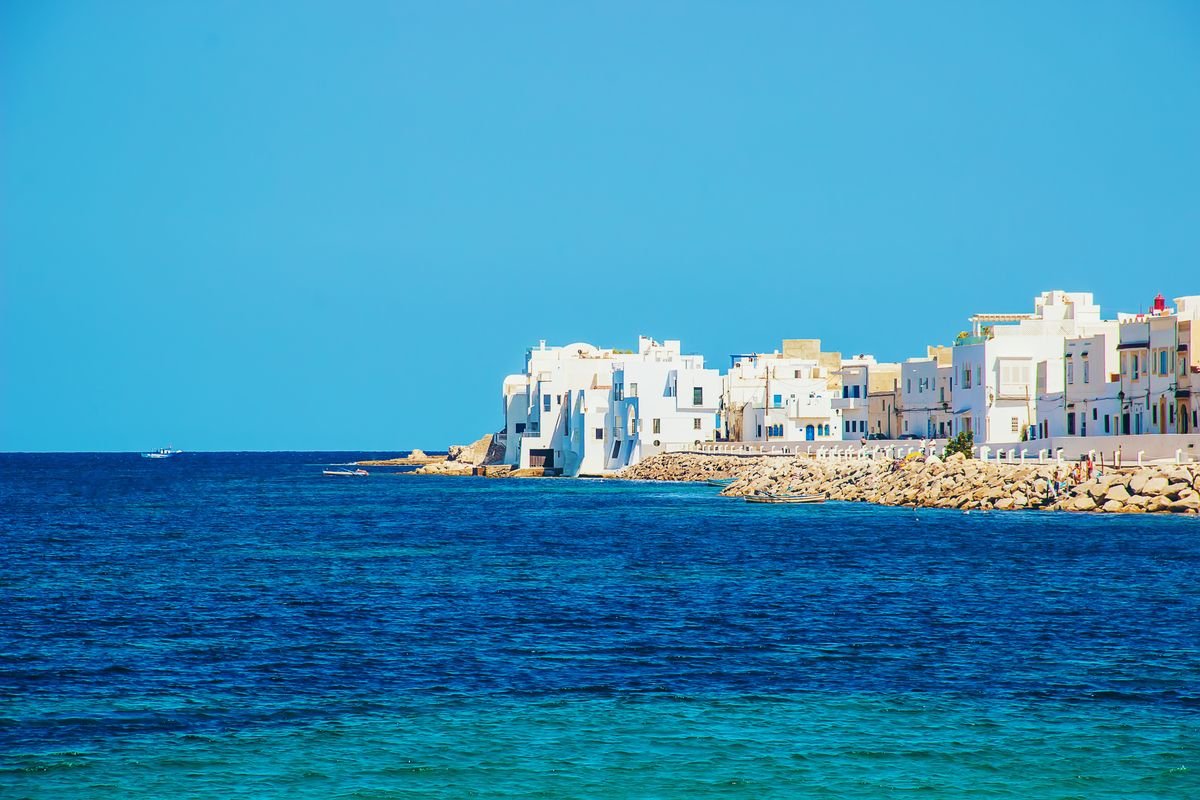
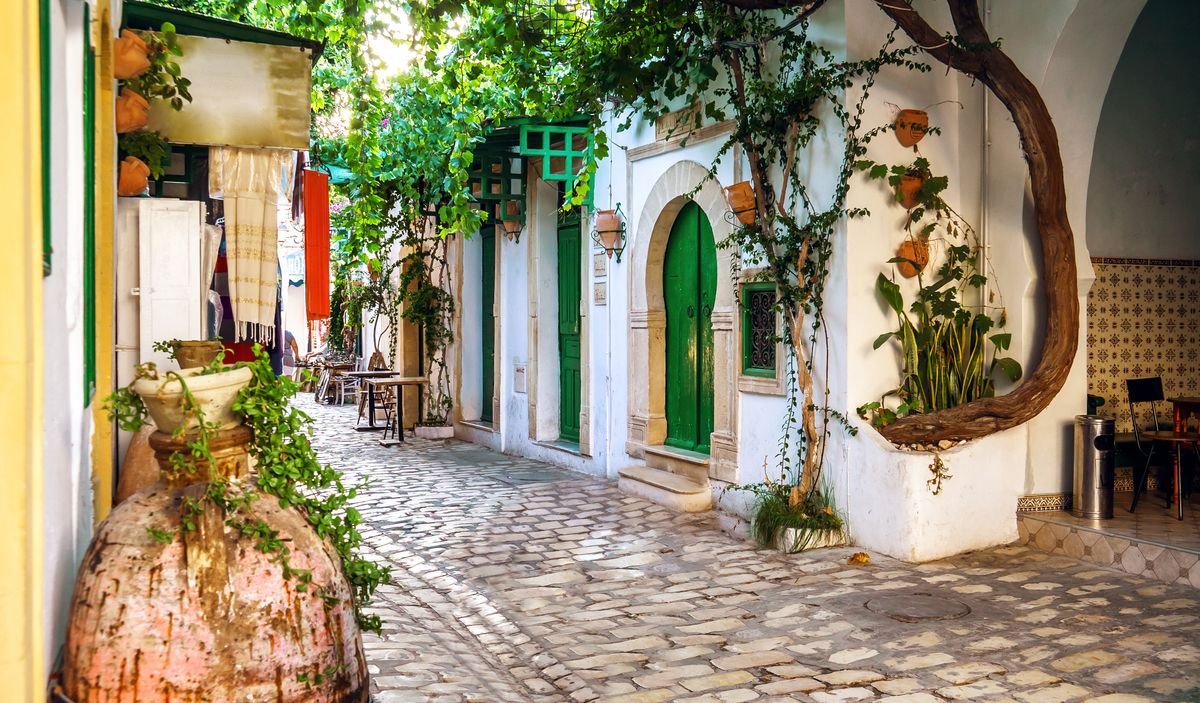
The medina stretches across a narrow peninsula, with the sea appearing between the buildings at every turn. Along the way, you will see decorative doors, craft workshops and places that recall the city's former importance.
What to see in Mahdia?
- Skifa el Kahla - an imposing gateway leading into the medina. Even at the entrance, it gives you a sense of the city's historic importance.
- The medina - take time to notice the architectural details of the houses and visit workshops linked to local weaving traditions.
- Borj el Kebir - a fortress for anyone who is keen to learn more about Mahdia's defensive past.
- Remains of the Punic port - ancient ruins and traces of a former harbour along the peninsula's rocky shore.
- Mahdia's beaches - spend an afternoon there after sightseeing or set aside an entire day for relaxation.
Monastir - a picturesque town and port
Monastir's most distinctive landmark is the ribat - an imposing defensive structure standing close to the sea. It is a good place to start your visit before walking towards the medina and marina. If you enjoy seeing cities from above, include a climb to the top of the tower.
Monastir is also associated with Habib Bourguiba, the first president of independent Tunisia. His mausoleum is one of the most important places on the city's tourist map. You can therefore combine time at the beach with sightseeing without having to plan long trips.
What to see in Monastir?
- Ribat - a complex dating back to the 8th century (the oldest Islamic fortress in North Africa). The tower offers views over the town and the coast; reaching the top requires climbing stairs. It was featured in the film Life of Brian.
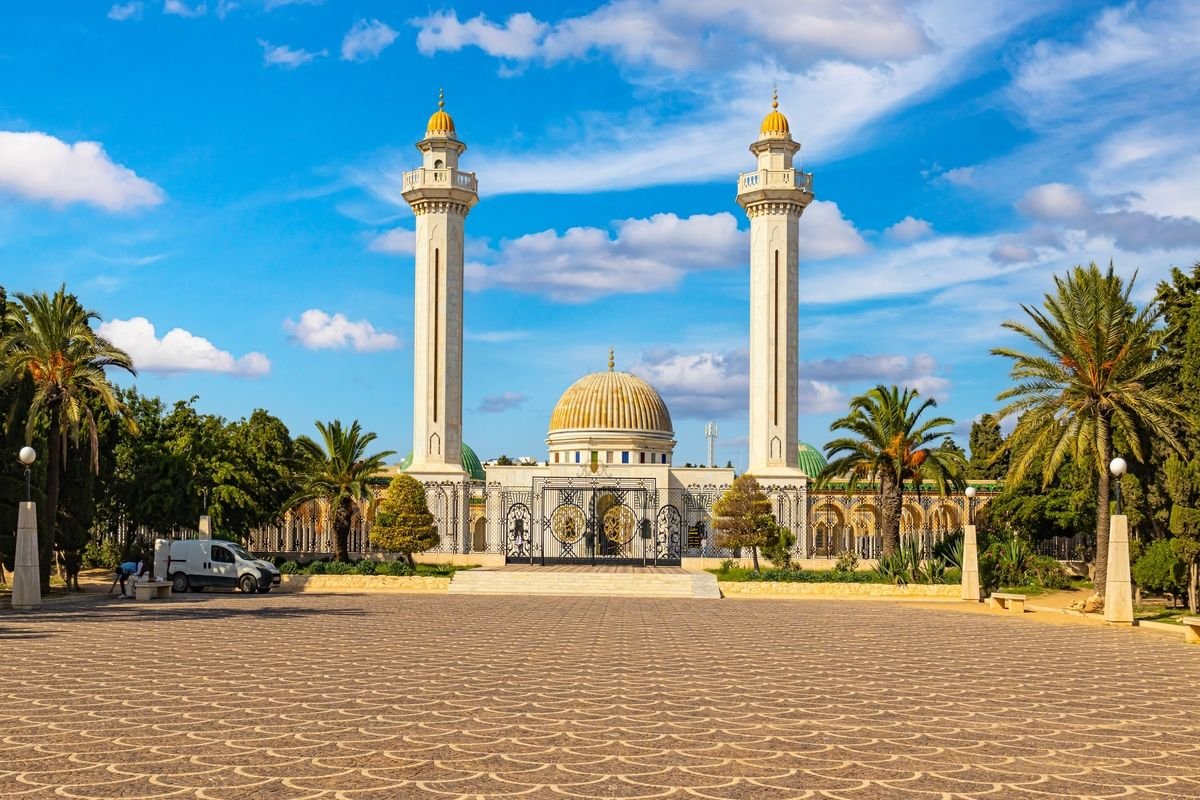
- Mausoleum of Habib Bourguiba - a building with golden domes and slender minarets, dedicated to the country's first president.
- The medina - streets lined with shops selling spices, textiles, and handicrafts.
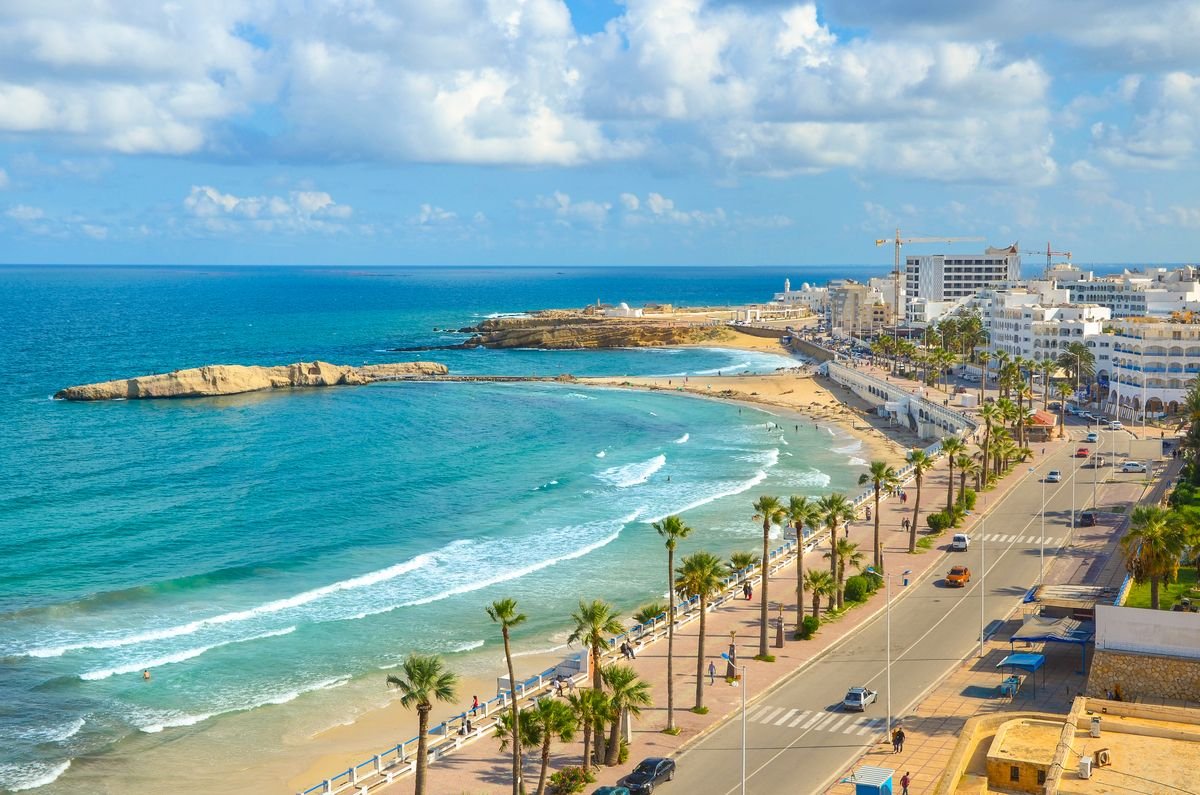
- The marina and waterfront - a place for a relaxing walk after visiting the historic sights.
- Skanes beaches - a place to relax in the region's hotel district, outside Monastir's historic centre.
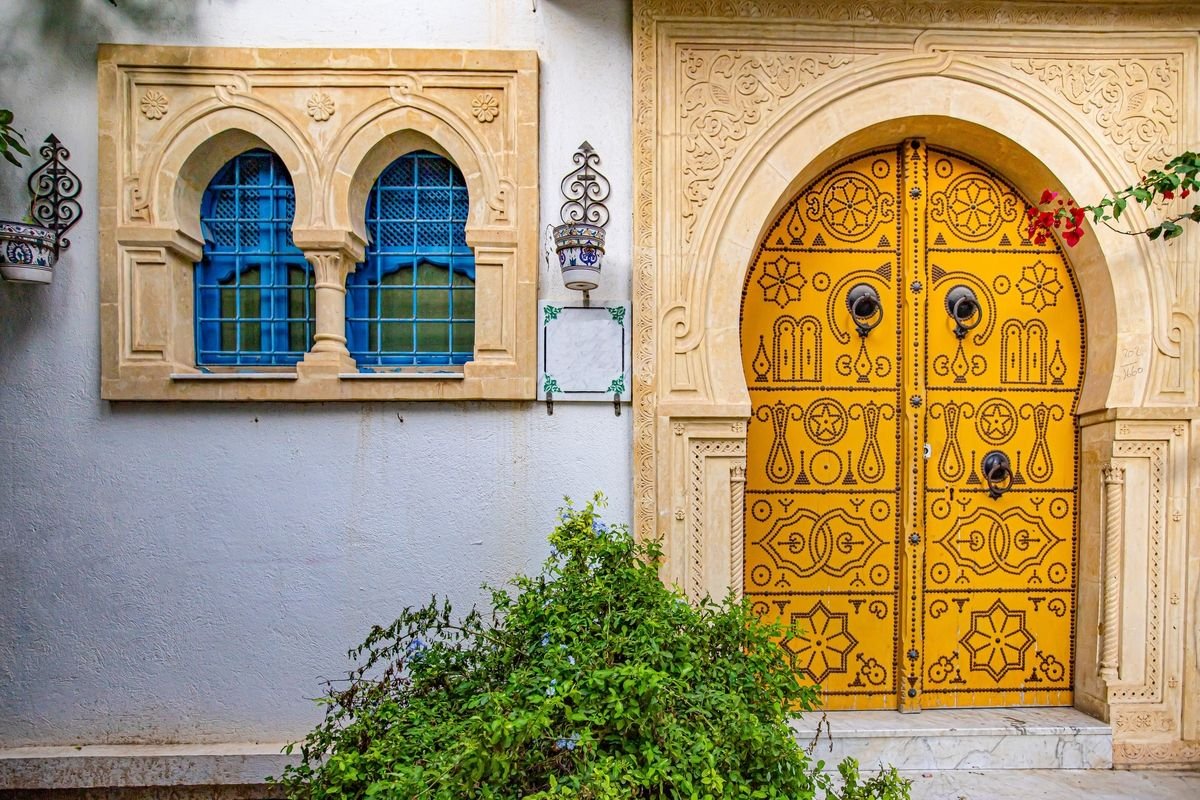
Sousse - a UNESCO-listed resort
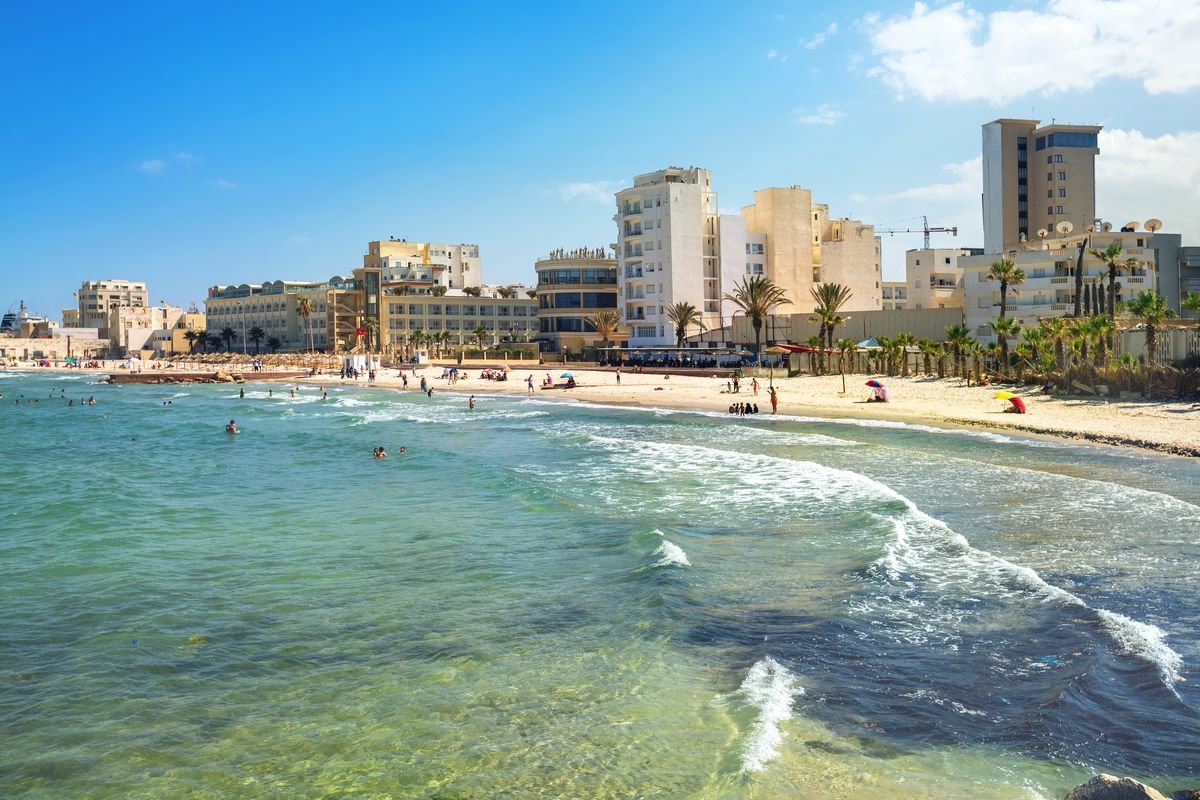
Sousse is a good choice for travellers who like to have everything close at hand while on holiday: shops, restaurants, a promenade and historic sights. You can spend the morning in the medina, visit the museum later and devote the rest of the day to relaxing by the sea.
The old town is listed as a UNESCO World Heritage Site. Make time to see beyond the market stalls, as the buildings behind the walls recall Sousse's medieval history.
What to see in and around Sousse?
- Sousse Medina - a historic centre surrounded by walls, with narrow streets, markets, and monuments.
- Ribat - a former defensive and religious structure and one of the most important sights in the old town.
- Archaeological Museum - located in the kasbah. Its collection of Roman mosaics deserves particular attention.
- The seafront promenade - a good place for an evening walk.
- Port El Kantaoui - a separate resort north of Sousse, with a marina and waterfront restaurants. It is worth planning a separate trip there.
Tunis - Tunisia's capital and its attractions
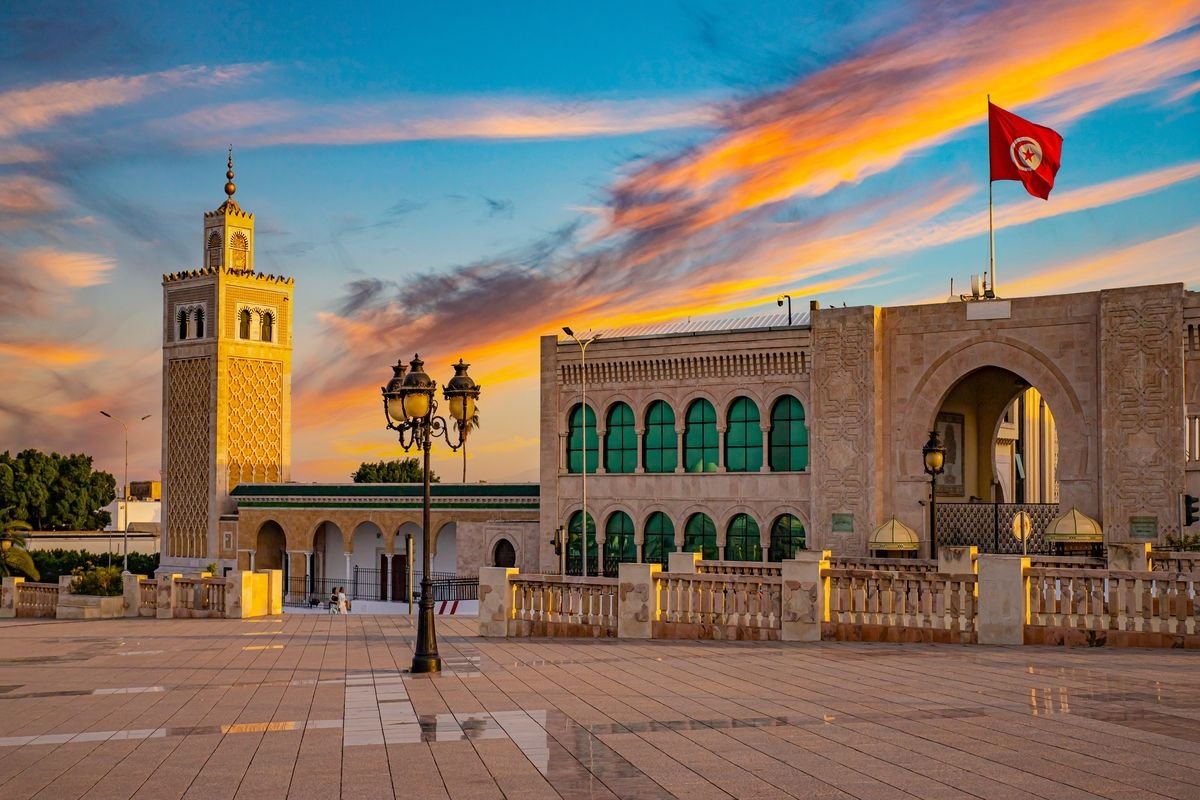
Set aside a day for Tunis when you mainly want to go sightseeing. A walk through the medina, a museum visit and exploring the area around the capital can fill your entire itinerary. If you are particularly interested in history, one day may leave you wanting more.
What to see in Tunis and the surrounding area?
- The Medina of Tunis - an extensive old town with souks and historic buildings.
- The Bardo Museum - famous for its Roman mosaics, although its collections also explore other periods of Tunisia's history.
- Carthage - the remains of an ancient city outside central Tunis. The attractions are spread out, so it is worth planning your route in advance.
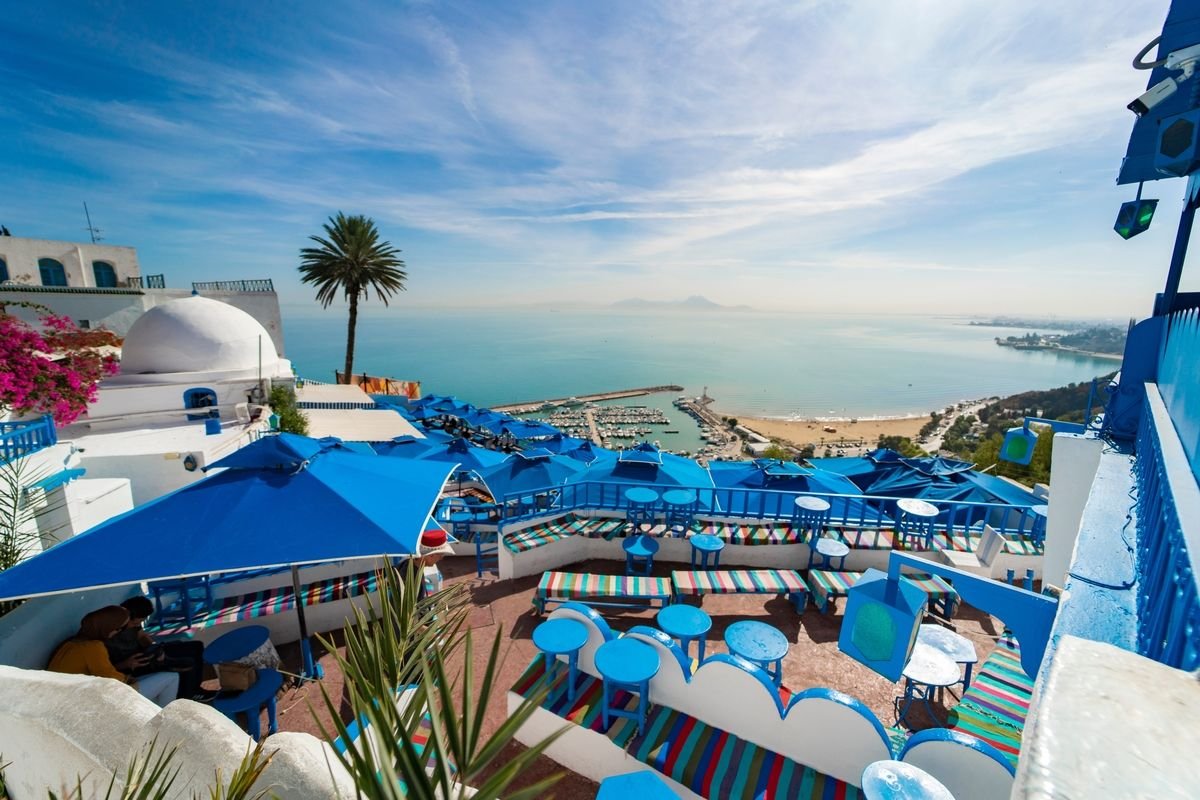
- Sidi Bou Said - a town near the capital, with white-and-blue houses and views over the bay. A good choice for travellers who enjoy combining walks with photography.
Zarzis - a destination for sun and beach lovers
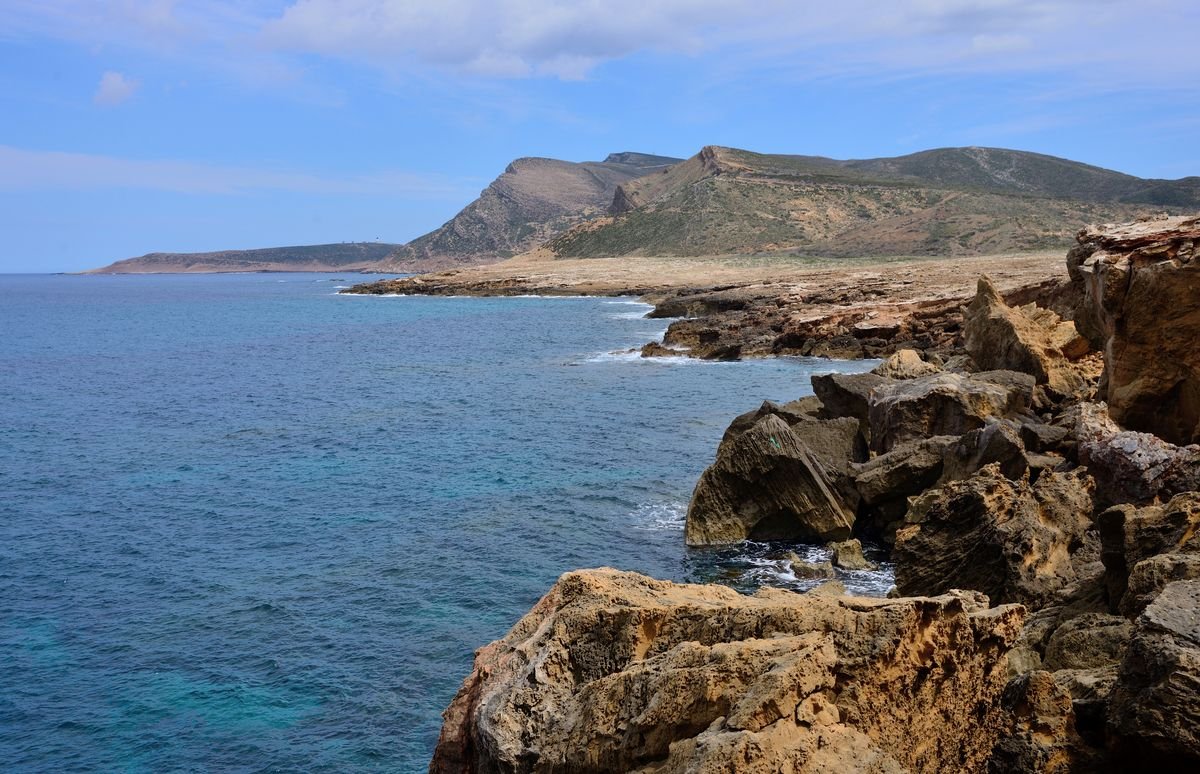
In Zarzis, you can plan your holiday mainly around the beach and relaxation. The town lies on the mainland, near Djerba, so staying here also gives you an opportunity to visit the island. You do not need to travel farther afield every day, however, and it is worth keeping some days for walks along the coast.
What to see in and around Zarzis?
- Beaches around Zarzis - the main reason to choose this region for a relaxing seaside holiday, with water activities and golden sand.
- Local markets - among other things, you will find textiles, woven baskets and handicrafts here.
- Djerba - a destination for a separate trip. Depending on your chosen route, you can visit Houmt Souk, Guellala or Erriadh, with its Djerbahood murals.
Summary - holidays in Tunisia: where should you go? Trips to Tunisia
Djerba and Zarzis are well suited to relaxing by the sea, Hammamet, Sousse and Monastir let you combine time on the beach with sightseeing, while Mahdia attracts visitors with historic buildings close to the coast. Korba offers an opportunity to explore the Cap Bon Peninsula, while Tunis is worth including for its museums, medina and nearby Carthage.
You do not need to see everything in one trip. Choose the region that interests you most and leave room in your plans for both relaxation and exploring the surrounding area. Sometimes a walk through the medina or a visit to a craft workshop becomes just as memorable as a day at the beach.
- 30.09.2026


