Muscat - what to see in Oman's capital and nearby?
Planning a holiday in Oman? It is worth setting aside some time to explore its capital. Muscat is a city where you can experience the atmosphere of a traditional Arab market, see impressive mosques, stroll along the seafront and get to know Omani culture better. What is worth seeing in Muscat and the surrounding area? Discover the most interesting attractions and find out how to make the most of your time in Oman's capital.
What should you know before visiting Oman and Muscat?
Muscat - what is the weather like throughout the year?
Muscat is warm for most of the year and very hot in summer. From June to September, temperatures can exceed 40°C, while the coastal humidity makes long walks even more difficult. During the coolest months, from December to February, the days are much more pleasant, often with temperatures of around 25-27°C.
The weather is not the same throughout Oman. It can be cooler in the mountains, while the area around Salalah in the south of the country follows a different seasonal pattern. If your goal is to explore Muscat, however, base your plans on the conditions along the northern coast.
When is the best time to visit Muscat and Oman?
The most comfortable time to explore Muscat is from October to March. You can then walk along the promenade and plan a trip to a wadi when the heat is not at its most intense.
Before booking, check the religious calendar as well. Ramadan is a month of fasting, and its dates change every year. During this period, some restaurants, and attractions operate at different times, while eating, drinking and smoking in public during the day are prohibited. In the evenings, once the fast has ended, the city may become livelier. Changes to sightseeing arrangements may also occur during Eid holidays.
Flights to Oman
The main airport is Muscat International Airport (MCT). You can reach Muscat via connecting flights, for example, via Dubai, Doha, or Istanbul. The number of connections and the availability of any seasonal flights change, so check the current schedule before buying your ticket.
How should you dress in Oman?
In Oman, it is best to choose lightweight clothes that do not reveal too much. In shopping centres, markets and while sightseeing, clothing that covers the shoulders and knees is a good choice.
It is also advisable to dress modestly on public beaches and cover up over your swimwear after leaving the water.
How can you get around Muscat?
Muscat is not like European capitals that can be explored almost entirely on foot. It is a sprawling city, and its districts serve different purposes:
- Old Muscat - the area around Al Alam Palace, the forts and the National Museum;
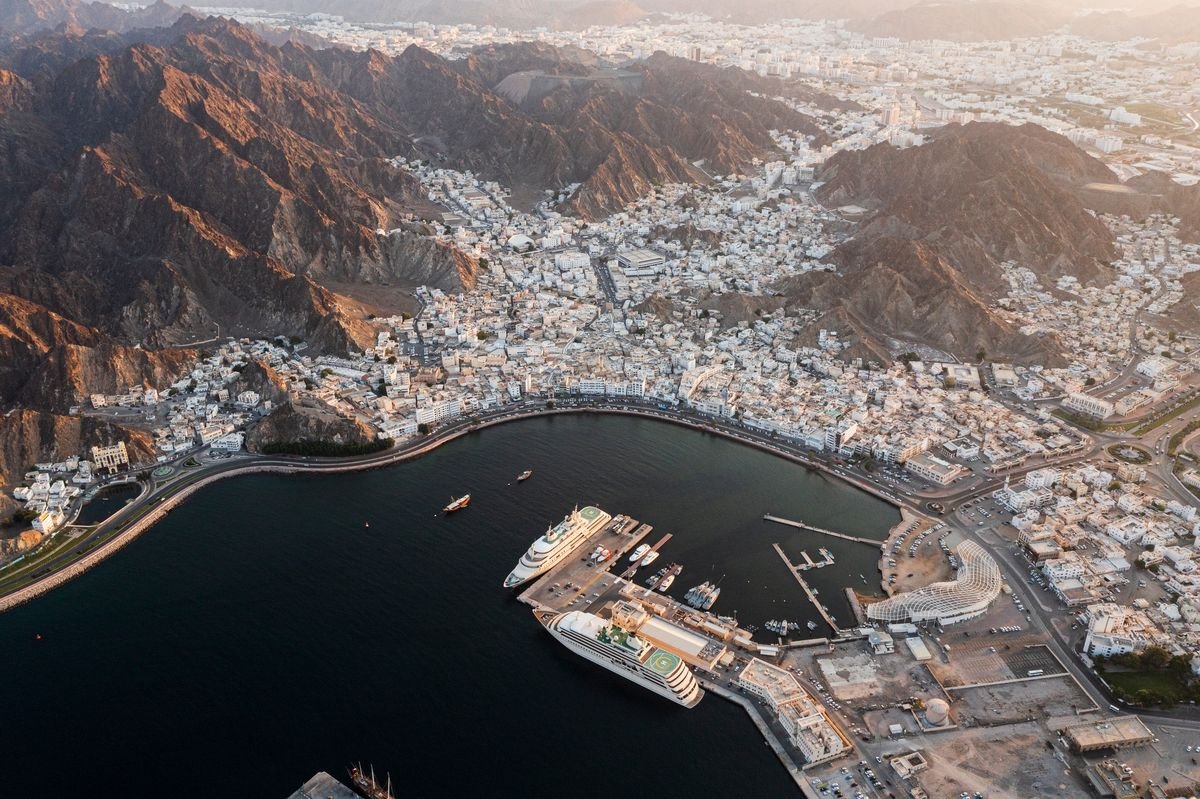
- Muttrah - the port, traditional souq and seafront promenade;
- Al Qurum and Shatti Al Qurum - the beach, cafes, hotels and the area around the opera house;
- Ruwi - a commercial and business district and an important transport hub;
- Bawshar - the part of the city where Mohammed Al Ameen Mosque is located, among other places.
For a short sightseeing visit, the most practical options are a taxi, a hire car or a tour with transport. City buses are available, but with a tight schedule they may require extra time.
What to see in Muscat? 8 top attractions
Sultan Qaboos Grand Mosque
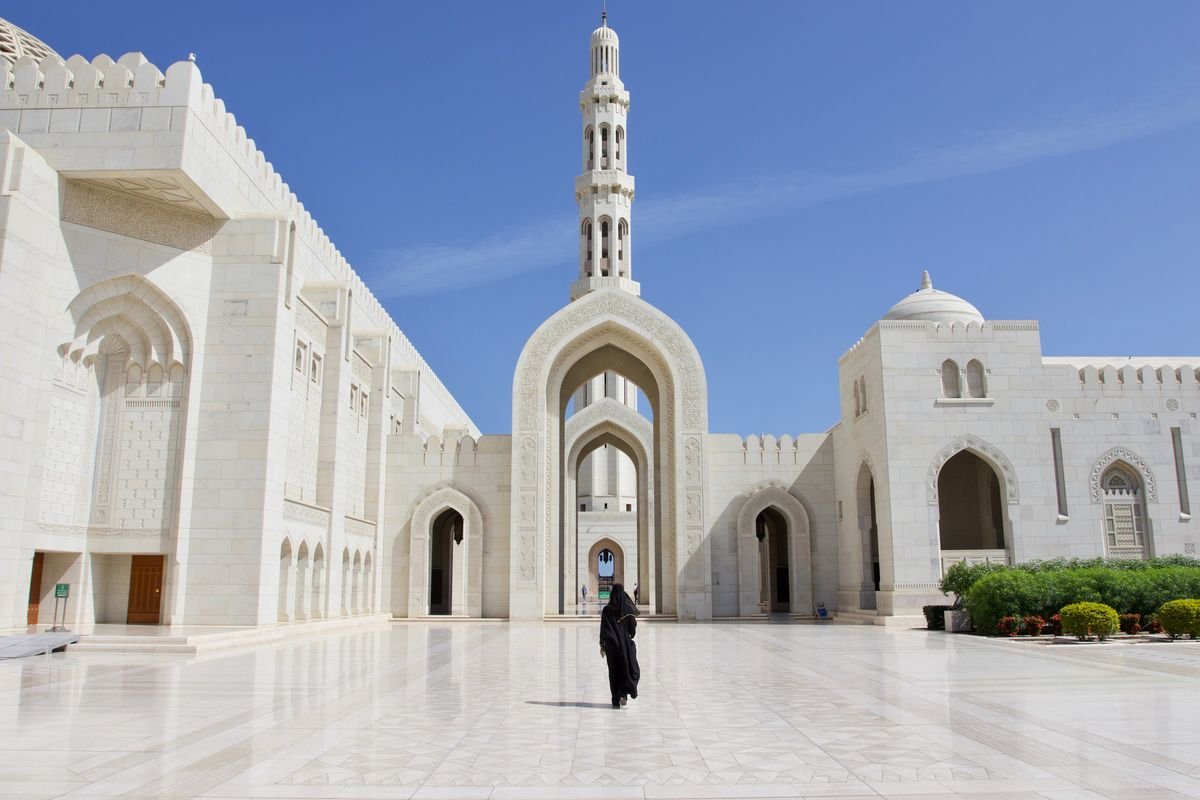
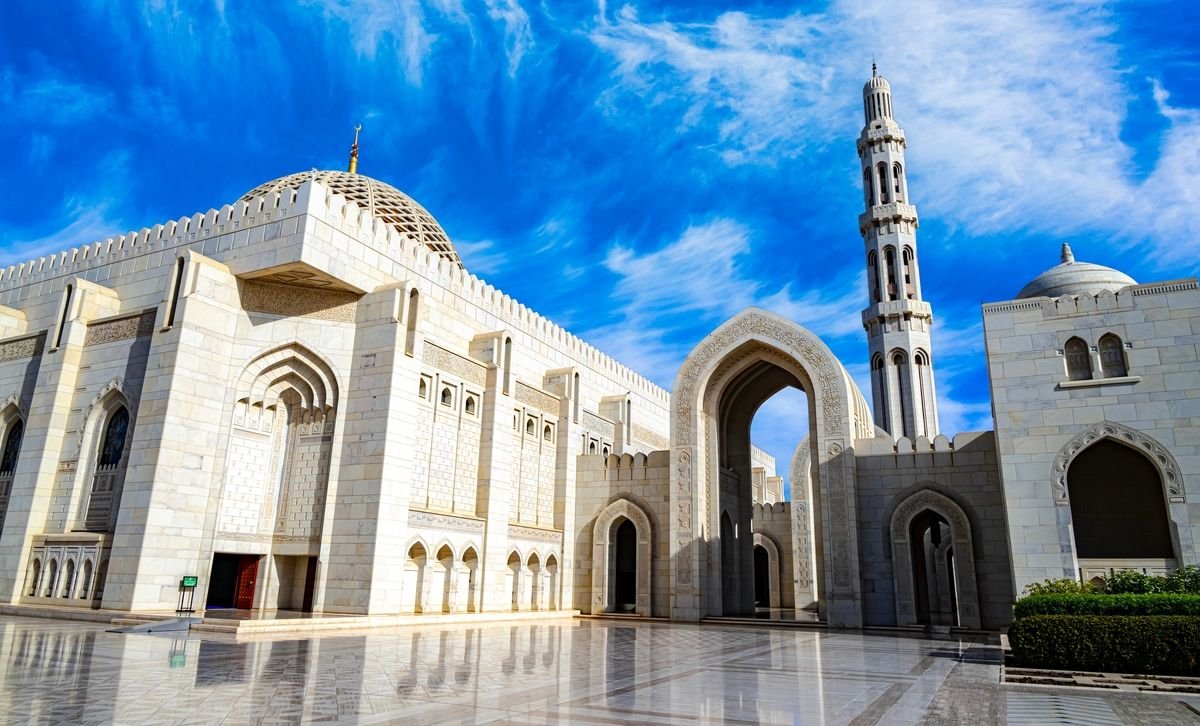
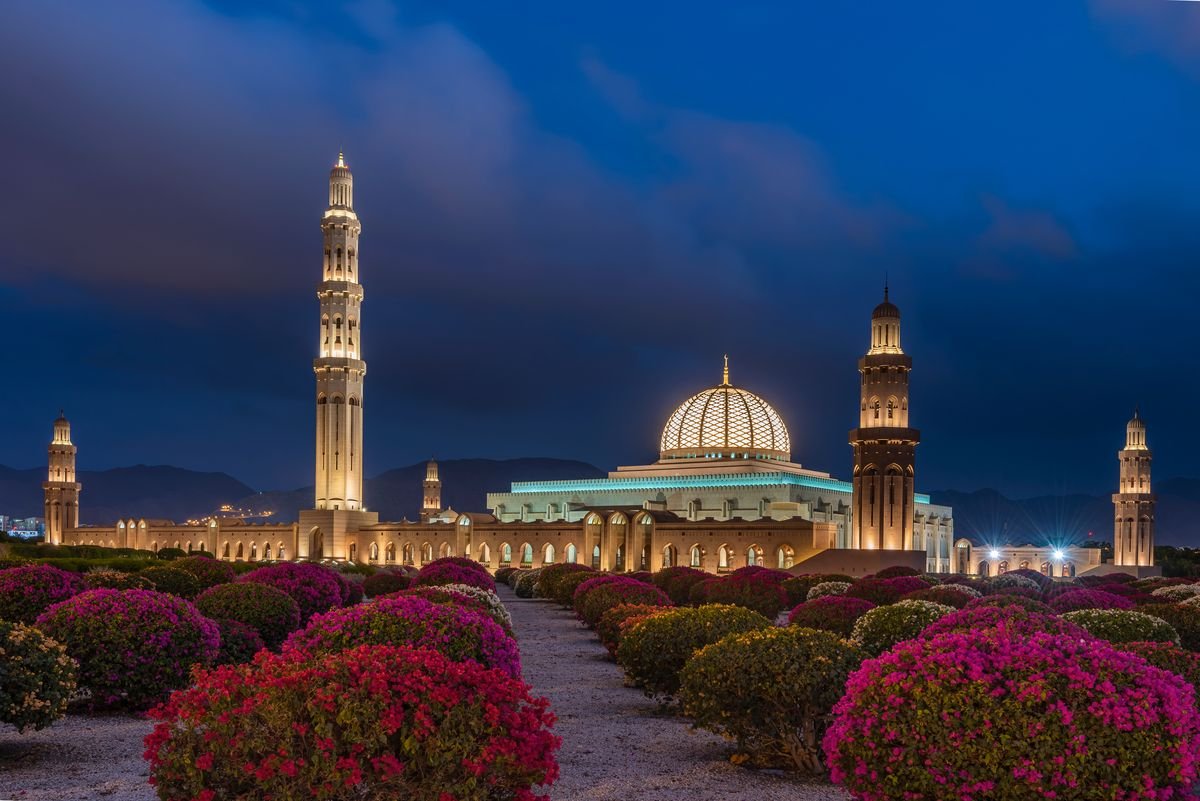
This is one of Oman's most recognisable buildings and a good place to begin exploring the capital. From the outside, the pale stone, the enormous dome, and the five minarets catch the eye. Inside, the monumental prayer hall, chandelier and handwoven carpet stand out.
It is also worth taking a closer look at the details: the decorated arches, mosaics and peaceful courtyards. Even if you do not usually visit religious buildings, the architecture of this mosque is impressive.
Importantly, Sultan Qaboos Grand Mosque is one of the few mosques open to non-Muslim visitors. Visits are normally possible from Saturday to Thursday between 8:00 and 11:00. Remember to dress appropriately, with clothing covering your ankles to your wrists.
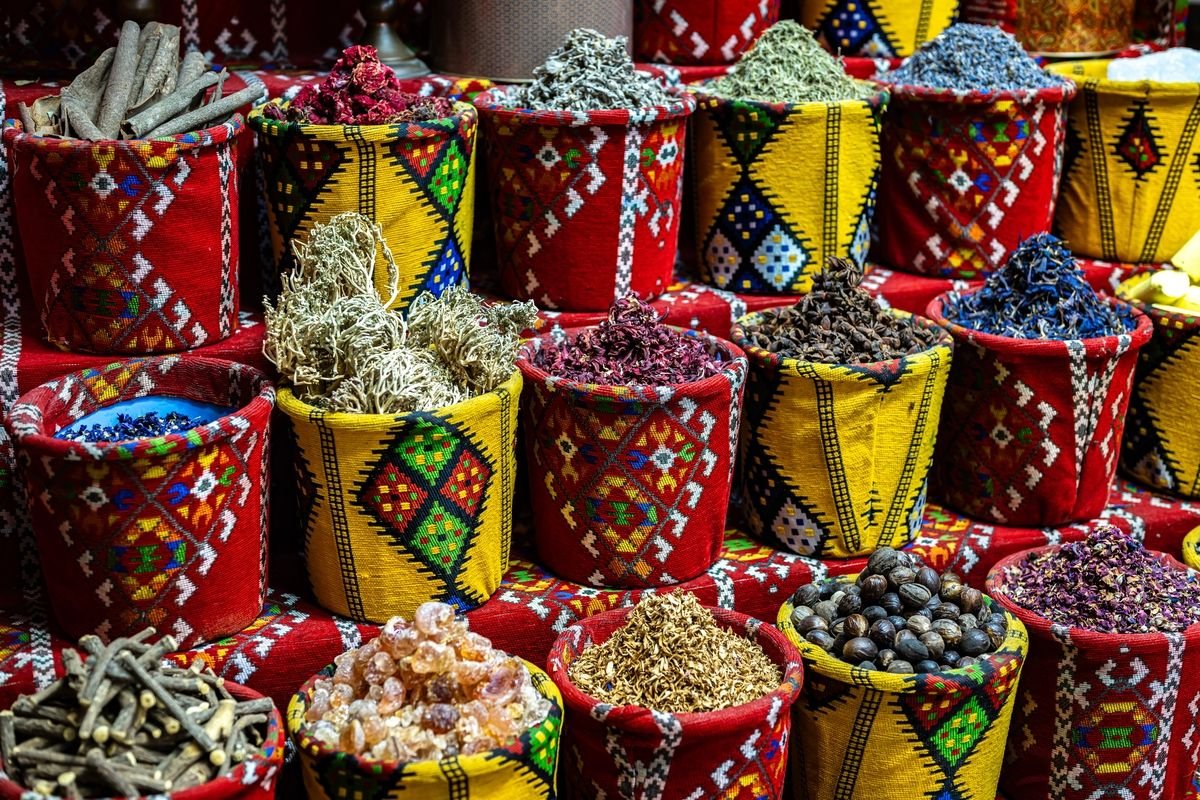
Muttrah Souq - an Arab market
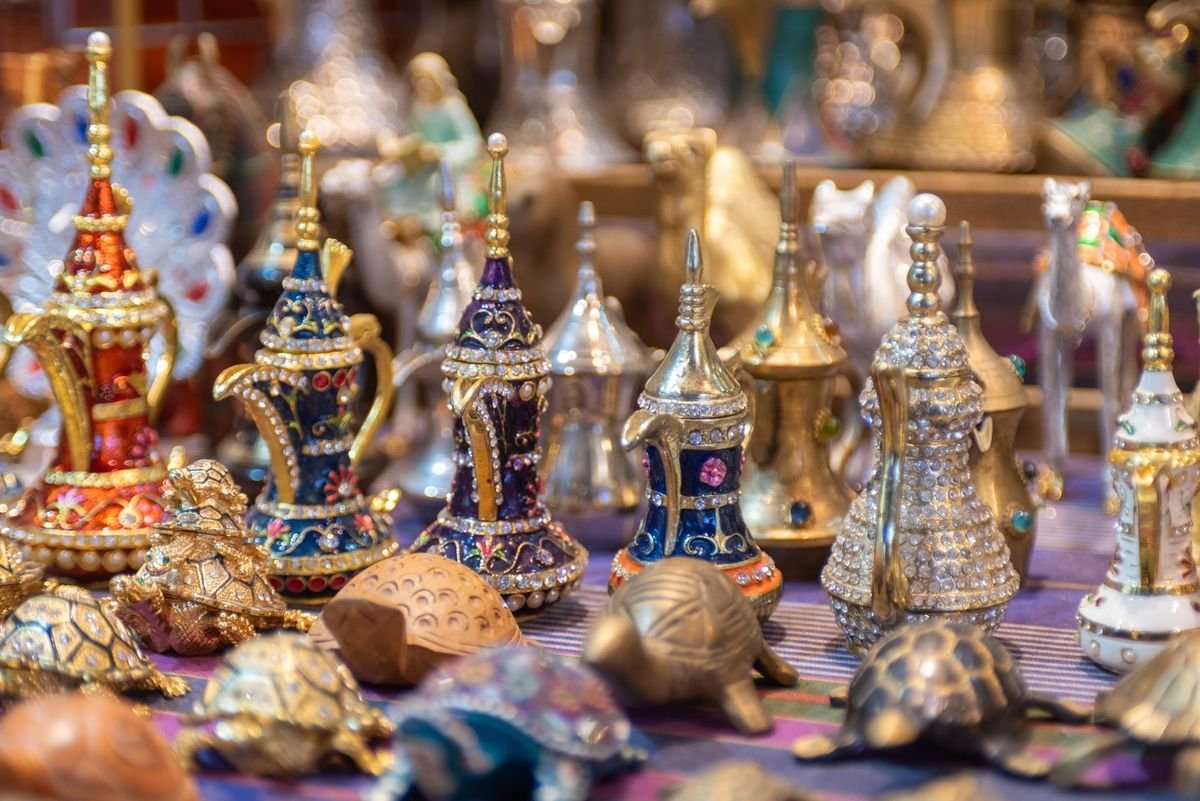
Would you like to see everyday life in Oman? Visit Muttrah Souq, one of the capital's best-known markets. In its narrow, covered lanes, you will find frankincense, perfumes, spices, fabrics, and jewellery.
Omani frankincense is particularly distinctive. This aromatic resin has made the country famous for centuries. If you plan to shop, compare prices at several stores and bargain with a smile.
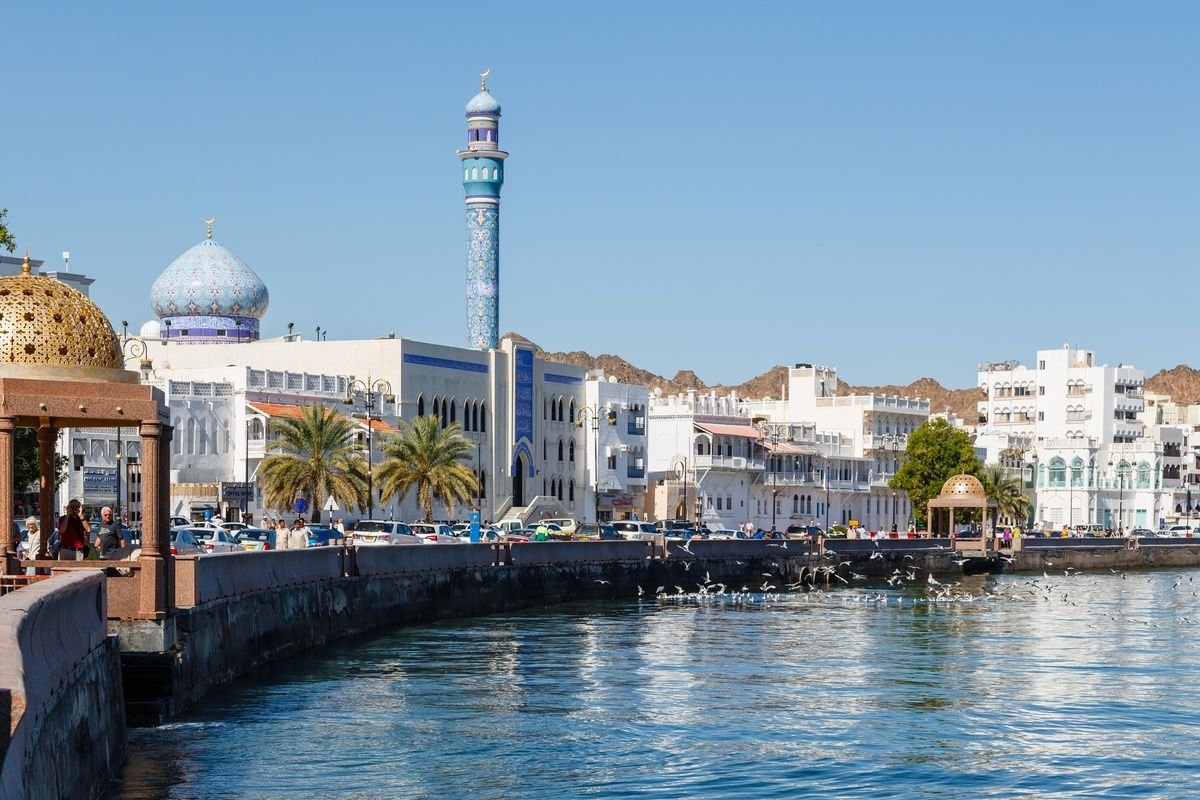
Muttrah Corniche promenade
Right next to the souq runs Muttrah Corniche, a promenade along the harbour bay. On one side, you will see the water, boats, and waterfront buildings; on the other, steep, rocky hills. It is a great place for a leisurely walk, especially as the sun begins to set.
The waterfront is also a good place to watch the city's daily life. Stop for fresh juice, take a photo of the illuminated buildings and look up at the fort overlooking the area.
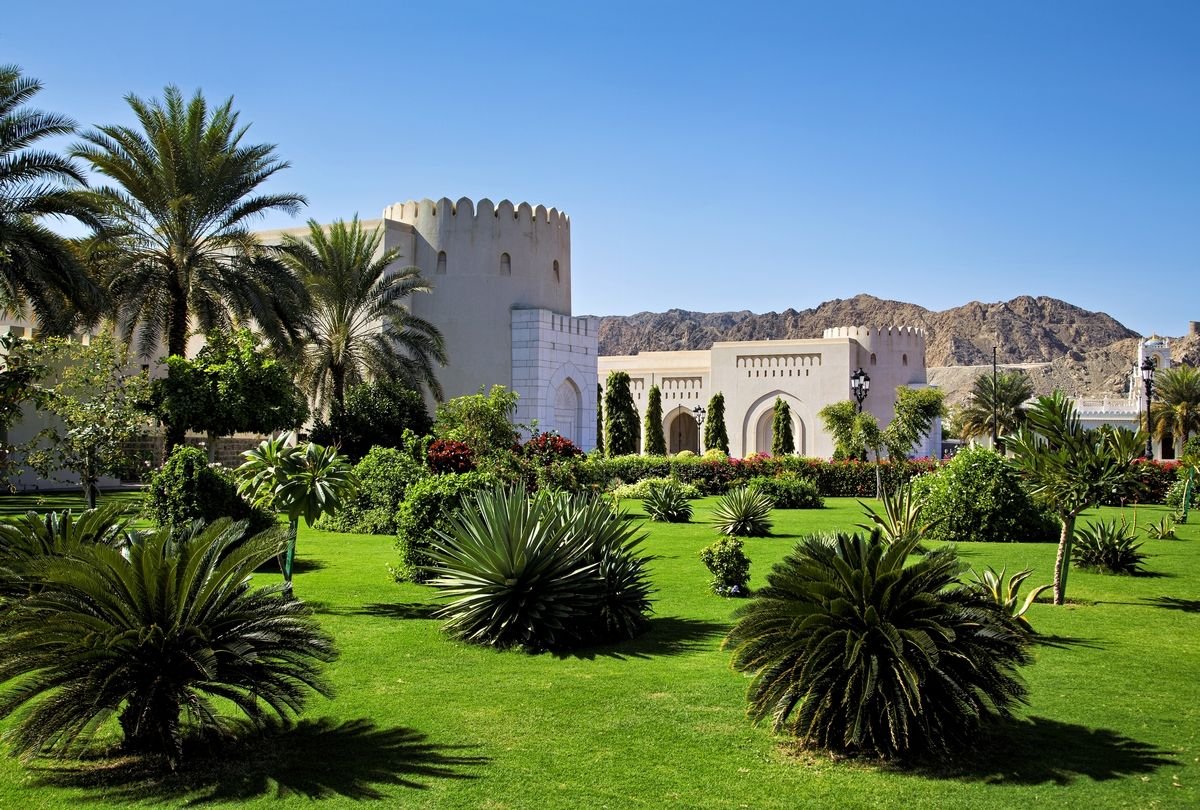
Al Alam Palace and the forts
Old Muscat is home to Al Alam, the Sultan's ceremonial palace. The building stands out for its blue-and-gold details on its facade and the elegant square in front of the entrance. The palace can only be viewed from the outside and is not open for regular visits.
On either side of the nearby bay stand Al Jalali and Al Mirani forts, linked to the history of the Portuguese presence in Oman. Their location is a reminder of how important it once was to control access to the port.
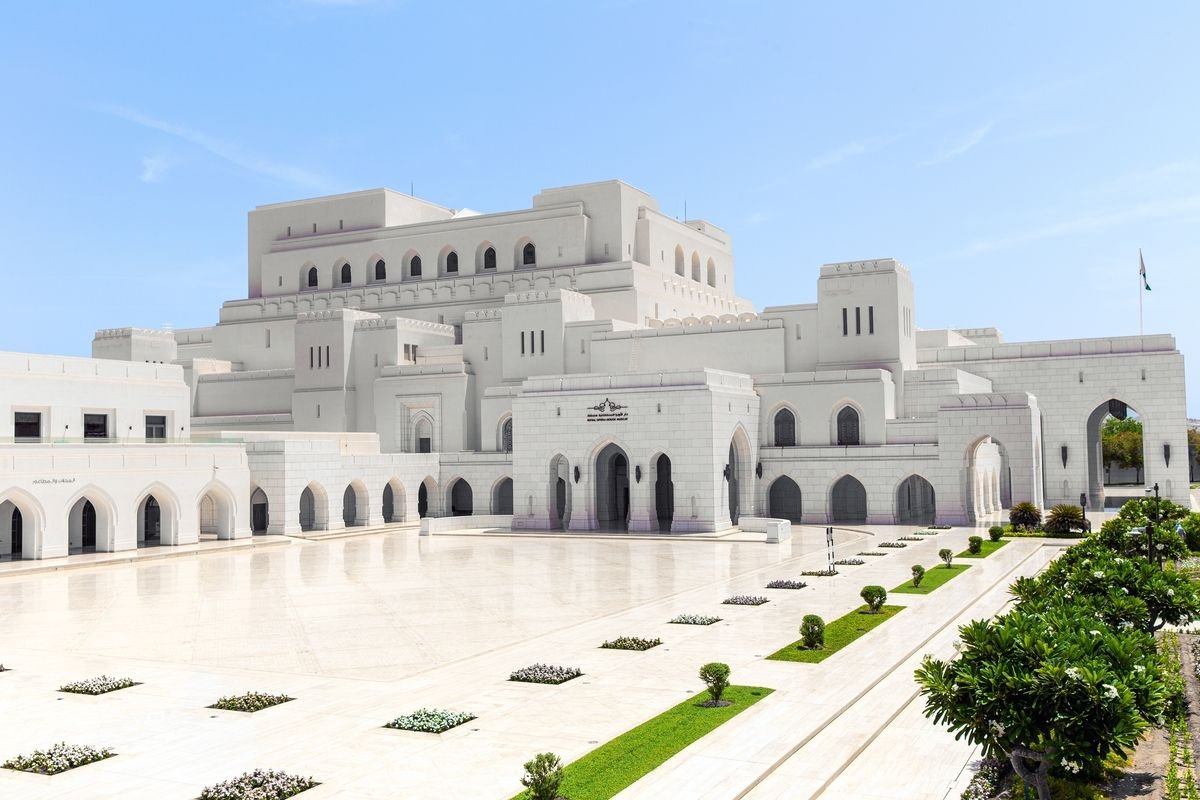
Royal Opera House
Royal Opera House Muscat reveals a wholly different side of the capital: modern, elegant and open to the arts. Its pale facades, arcades and refined interiors make it worth visiting even if you are not planning to see a performance.
At selected times, the building can be visited with a guide. During the tour, you will learn about the auditorium's technical features and see an exhibition of musical instruments.
National Museum of Oman
If you want to better understand the country before heading into the mountains, the desert, or other cities, plan a visit to the National Museum of Oman. It is located in Old Muscat, near Al Alam Palace.
The exhibitions present the history and culture of Oman, from maritime traditions and trade to crafts, historic weapons and the country's transformation. This makes it easier to see the forts, souqs and ports you visit later not only as tourist attractions, but also as part of the local heritage.
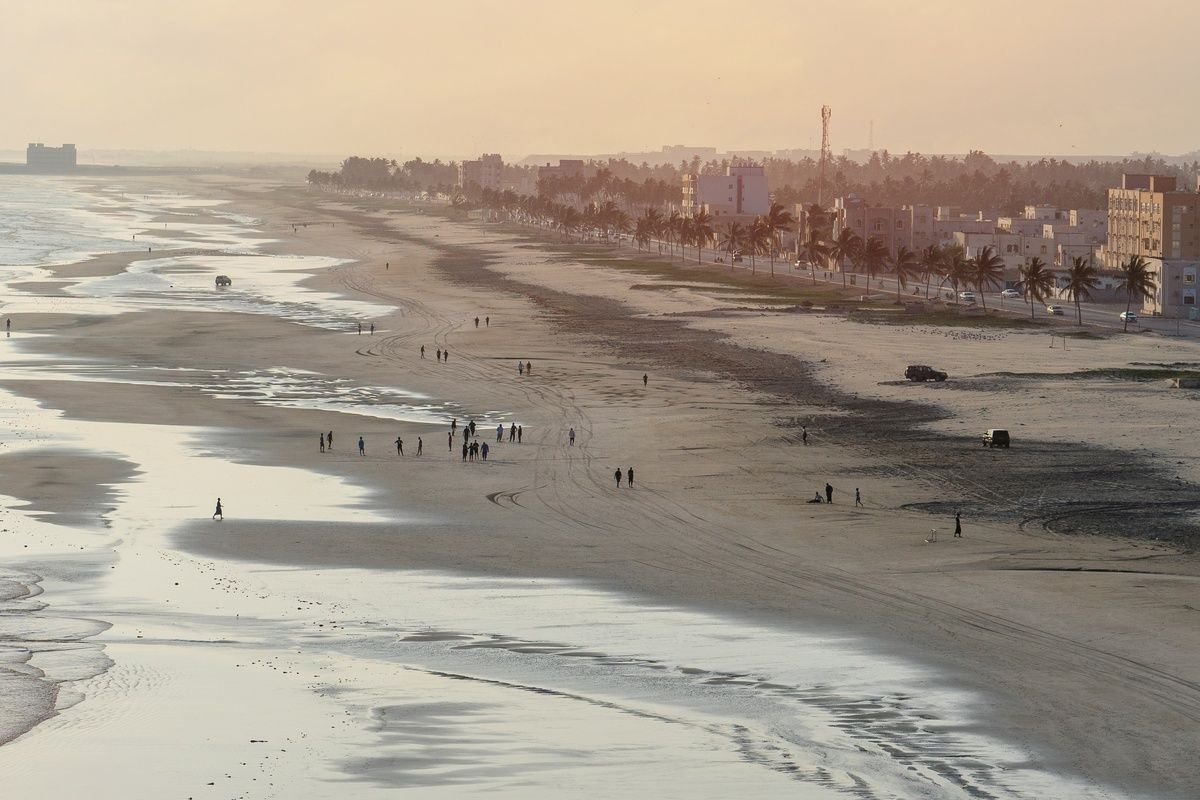
Qurum Beach
After several hours of walking around the city, a break will be welcome. Qurum Beach is a long, sandy beach where residents walk, run and spend time with their families. You will also find cafés and restaurants nearby.
The beach is particularly well suited to a late-afternoon walk. You can sit on the sand, look out at the sea or rest before heading out in the evening.
Mohammed Al Ameen Mosque
Mohammed Al Ameen Mosque in the Bawshar district is a less obvious stop on Muscat's tourist map. The pale marble structure stands on a hill, and after dark its domes and minarets are dramatically illuminated. This is why the building is sometimes called the White Mosque.
What to see around Muscat?
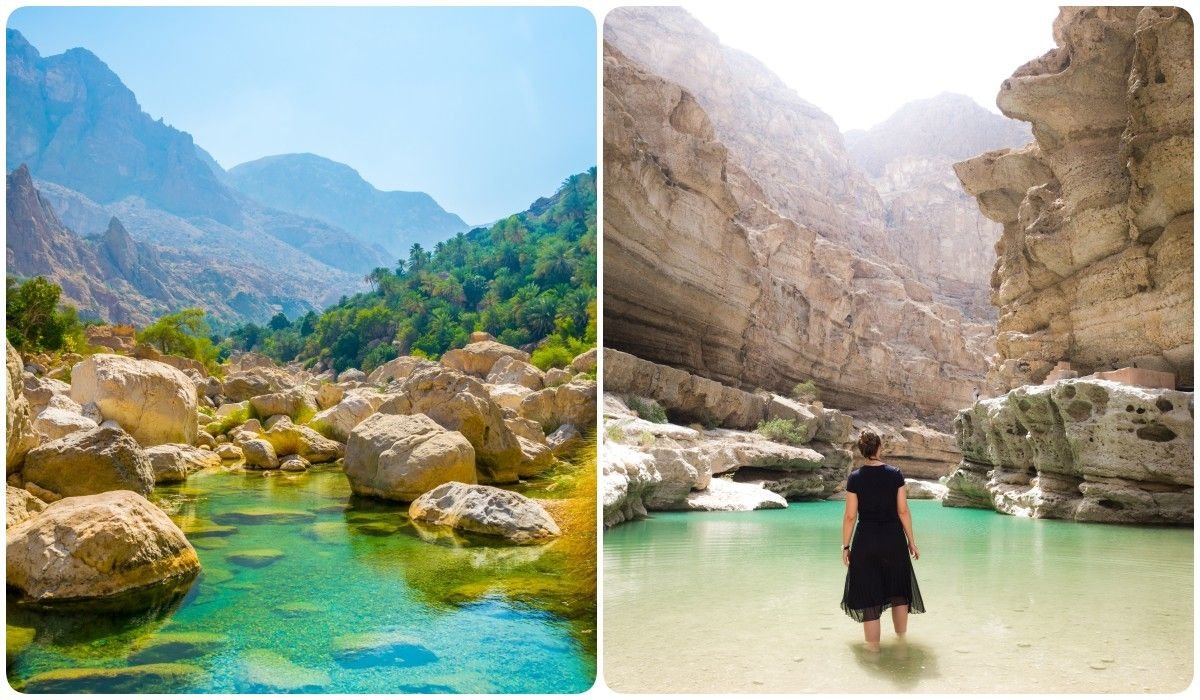
Omani wadi
Take a break from exploring the city and discover Oman's natural scenery. Visit one of its wadis, which are valleys and gorges carved out by water. Hidden among the rocky mountains are turquoise pools, waterfalls and green oases.
Which wadis are worth visiting during a holiday in Oman?
- Wadi Shab - one of the most popular, around a two-hour drive from Muscat. A rocky gorge, hiking trail, natural pools and a hidden cave with a waterfall await you here.
- Wadi Bani Khalid - an oasis with turquoise pools and palm trees, located around 2.5-3 hours by car from the capital. It is a good choice for anyone who wants to combine relaxing by the water with exploring the area around the Wahiba Desert.
- Wadi Tiwi - a picturesque valley with date palm plantations, small villages and mountain scenery. It is located near Wadi Shab, and reaching the more distant parts of the valley may require a 4x4 vehicle.
- Wadi Al Arbaeen - a less-visited gorge with natural pools, surrounded by rocky mountains. The drive can be challenging and is best planned with an experienced driver.
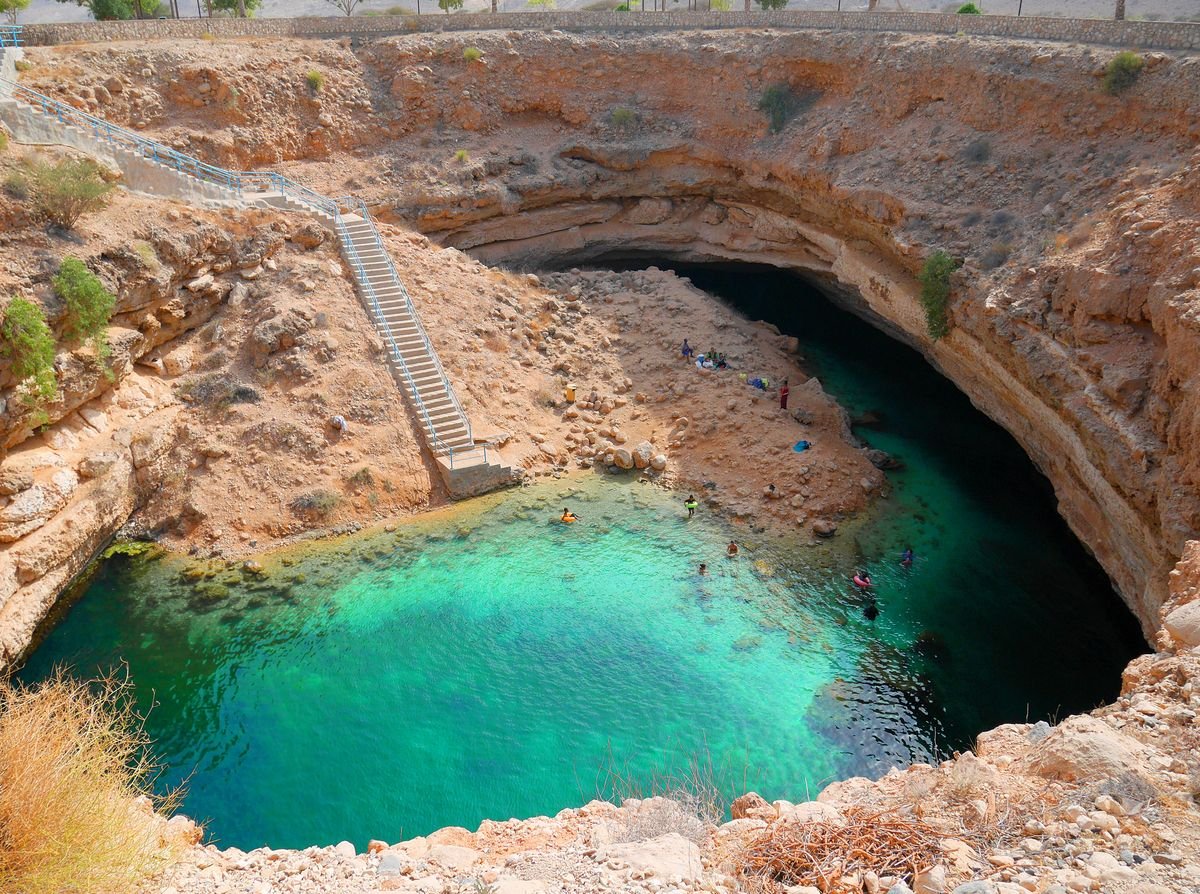
Bimmah Sinkhole (Hawiyat Najm)
Bimmah Sinkhole, also known as Hawiyat Najm, is a natural limestone depression with intensely turquoise water at the bottom. It lies on the route from Muscat towards Sur, so it is often combined with a trip to Wadi Shab.
A local legend about a falling star is associated with the formation of this place. The geological explanation is different: the sinkhole formed as a result of processes within the limestone and the collapse of part of the rock.
Steps lead down to the water, but whether swimming is allowed depends on the current rules and on-site conditions.
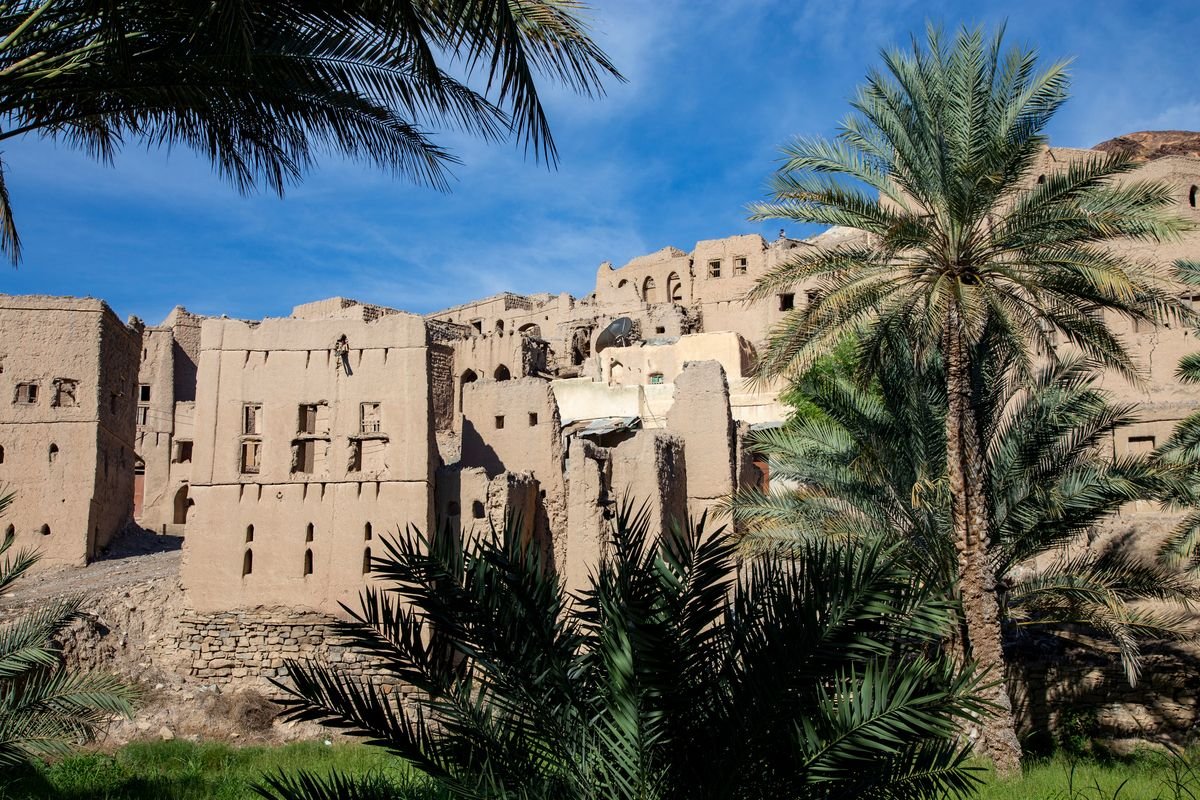
Nizwa - Oman's former capital
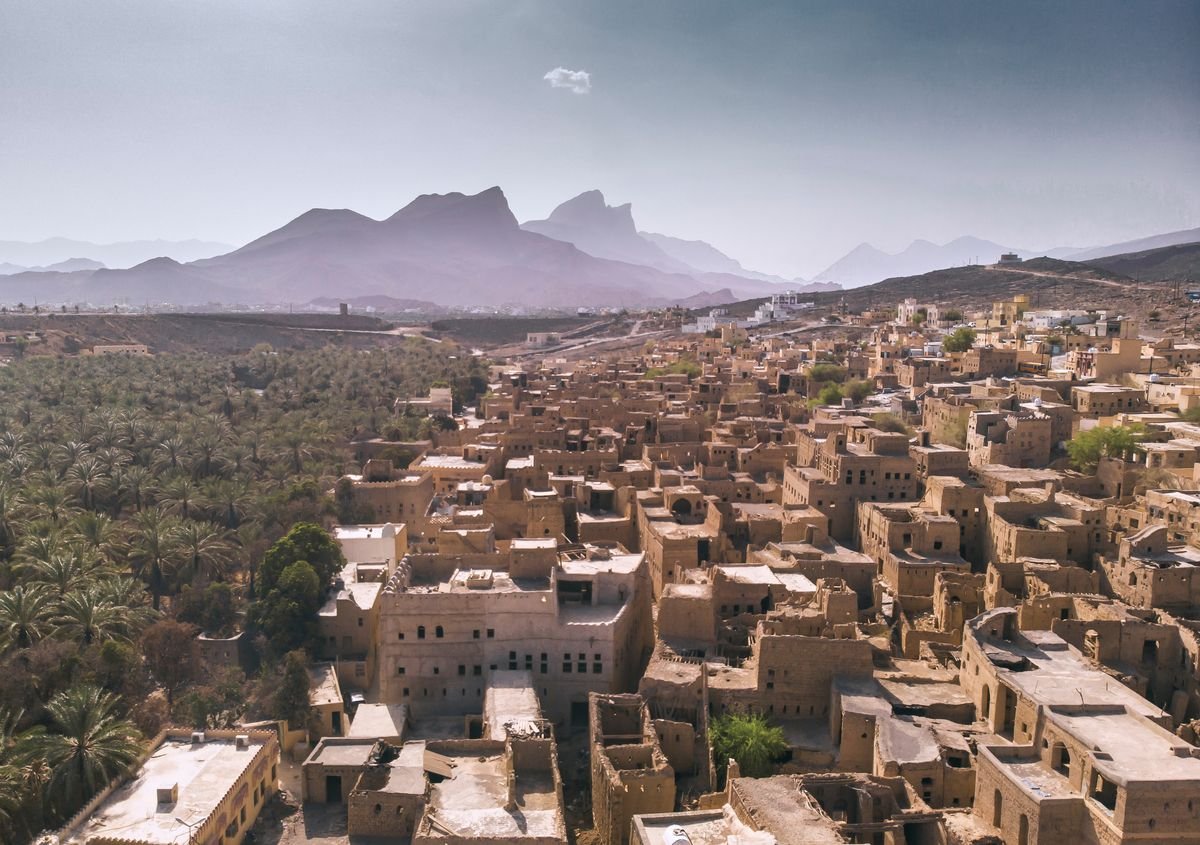
If you prefer history over sunbathing, visit Nizwa, located inland around 1.5-2 hours by car from Muscat. It was once Oman's political and religious centre and is now known mainly for its impressive fort and the neighbouring souq.
Nizwa's most distinctive building is its massive, round defensive tower. From the top, you can admire the city's buildings, palm trees and mountains. At the souq, you will find local handicrafts, dates and traditional Omani products.
Muscat in one day
Do you have only one day to explore Muscat and want to see its main attractions? Muscat City Tour is a good choice, allowing you to discover the most interesting parts of Oman's capital with a guide.
During the tour, you will see Muscat's main attractions, including Sultan Qaboos Grand Mosque. You will visit the Arab market at Muttrah Souq and walk along Muttrah Corniche.
Would you like to see Muscat with a guide? Check the tour details and choose a date that fits your holiday plans.
Summary - is Muscat worth visiting?
Yes! In one day, you can discover the monumental architecture of the mosques, the history of the coastal forts and the atmosphere of a traditional market. It is best to spend at least one full day in the capital, or two if you prefer to explore at a relaxed pace.
On your first visit, focus on Sultan Qaboos Grand Mosque, Old Muscat and Muttrah Souq with the Corniche. Have an extra day? Choose Wadi Shab and Bimmah Sinkhole if you are looking for nature, or Nizwa if monuments and history interest you more. A trip planned this way lets you see not only the capital, but also two very different sides of Oman.

- 16.09.2026


