Travel guide in Andalusia. What to see in southern Spain?
Andalusia captivates with its atmospheric cities, spectacular views, and sun-drenched coastline. Discover what is worth visiting in Andalusia and explore the most exciting attractions of southern Spain.
Andalusia - why is it worth visiting?
Andalusia is one of Spain's most diverse regions. Here, you can easily combine exploring historic cities, relaxing by the sea, and heading out into the mountains. In a single holiday, you can see the Alhambra, stroll through white-washed villages, and spend the day on a Costa del Sol beach.
This is where some of Spain's most famous attractions are located – Seville, Malaga, Caminito del Rey, and Gibraltar. The region also draws people in with its unique vibe – flamenco, tapas, small plazas packed with restaurants, and evenings spent outdoors.
What makes Andalusia stand out?
Andalusia has a wholly different vibe compared to northern Spain. You can see strong Moorish influences here, especially in the architecture and layout of the old towns, with the Alhambra in Granada and the Mezquita in Cordoba as prime examples.
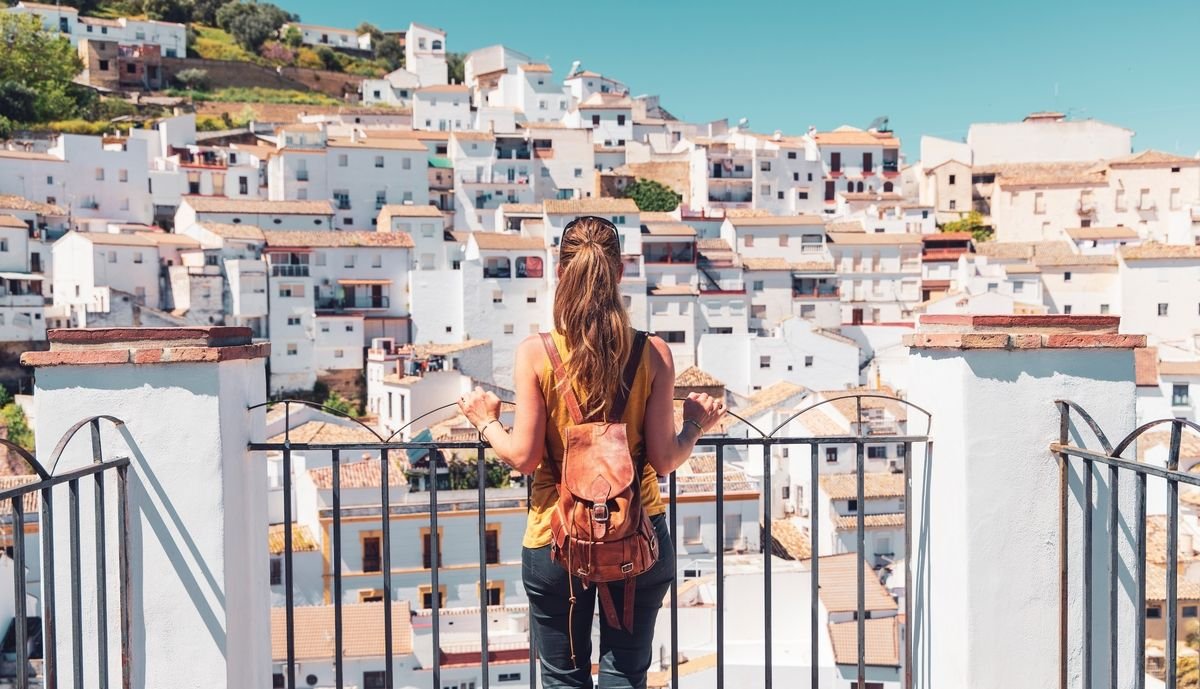
The region is also well-known for its pueblos blancos, or white towns. Places like Ronda, Frigiliana, and Setenil de las Bodegas look straight out of a postcard and are among the biggest highlights of southern Spain.
When is the best time to go to Andalusia?
The best time to explore Andalusia is spring and autumn. Temperatures are much more pleasant then, making it easier to tour the cities and hit the trails.
In the summer, most people head to Andalusia's beaches, primarily the Costa del Sol. In winter, the region stays warm, making it perfect for a quick city break.
How to plan your trip? Andalusia by car or public transport?
Andalusia is Spain's second-largest region, covering over 87,000 km². Because the distances between cities and attractions can be quite vast, it's a good idea to plan your route carefully.
The most convenient way to explore Andalusia is by car, especially if you plan to visit the white towns or lesser-known spots. It makes it incredibly easy to combine cities, mountains, and the coast into a single trip.
Public transport also works well between the larger cities. Malaga, Seville, Cordoba, and Granada have convenient train and bus connections, meaning you can easily see the main highlights even without a car.
Malaga and Costa del Sol
Costa del Sol is one of the most popular holiday spots in Spain. It's famed for its wide beaches, seaside promenades, and over 300 days of sunshine a year. This is where you'll find Malaga, Marbella, Nerja, and many other destinations that are perfect for both a short city break and a longer holiday.
_eaca00dba3.jpg)
Malaga - what to see?
For years, Malaga was treated mainly as just an airport and a jumping-off point for the Costa del Sol. Today, more and more people are coming here for the city itself. Malaga beautifully blends beaches with historic monuments, a charming old town, and fantastic gastronomy.
- Calle Larios - the city's main street, packed with restaurants and shops.
- Malaga Cathedral - one of the city's most important landmarks.
- Muelle Uno - a modern port and waterfront promenade.
- La Malagueta Beach - a city beach located close to the centre.
- Picasso Museum - a popular museum in Malaga dedicated to the famous artist.
The Alcazaba of Malaga and Gibralfaro Castle
The Alcazaba is an 11th-century Moorish fortress. Its narrow passages, courtyards, and views over the harbour showcase just how deep Andalusia’s Arabic influences run.
Perched just above the Alcazaba is Gibralfaro Castle. This is where you'll get one of the absolute best views of Malaga and the Costa del Sol coastline. It's best to visit in the evening when the sun begins to set, and the city lights up.
Marbella and Puerto Banús
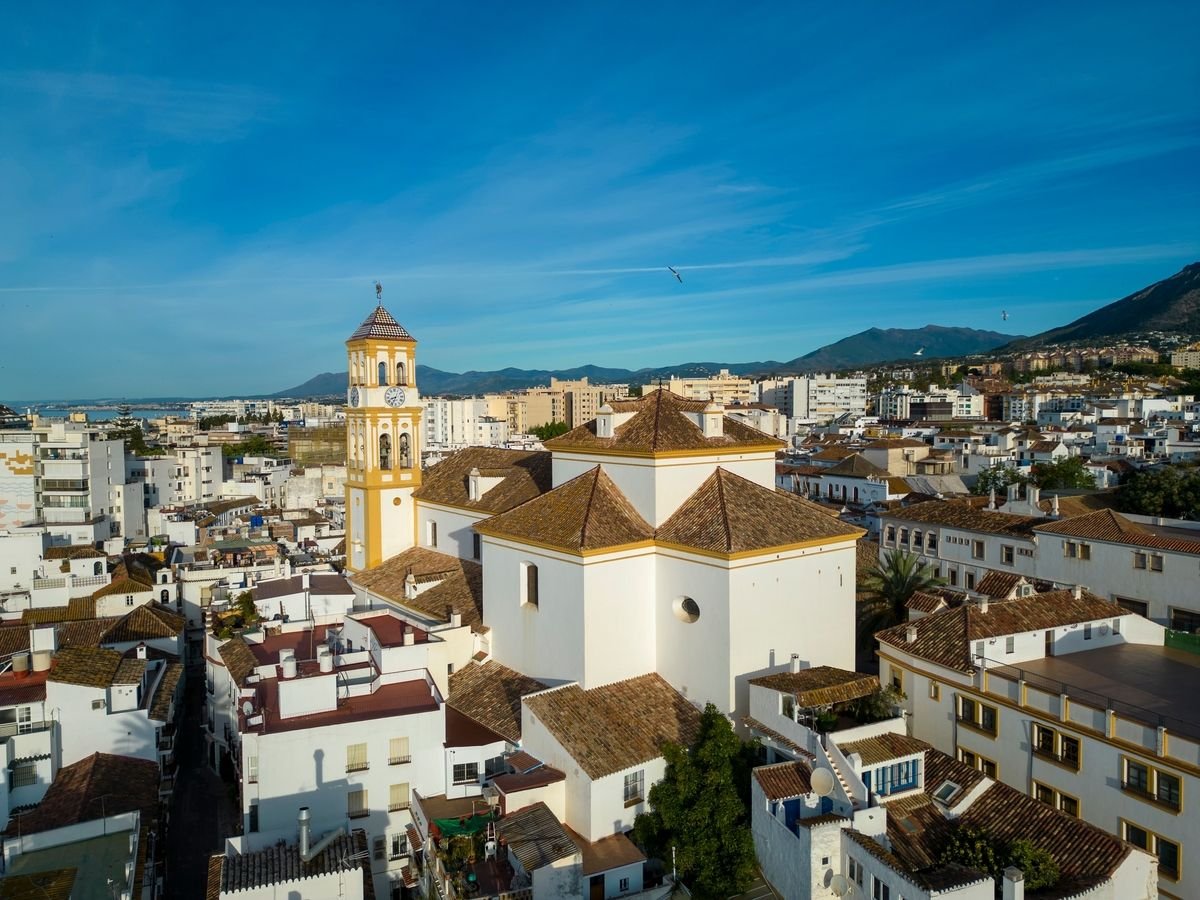
Marbella is best known for luxury hotels, a glamorous marina, and exclusive restaurants, but the city also has a quieter side. The old town is full of white-walled houses, small squares, and alleys beautifully adorned with flowers.
A few kilometres away lies Puerto Banús - the famous yacht marina where luxury boats and sports cars are parked right next to outdoor restaurant terraces. It's one of the most famous spots on the Costa del Sol.
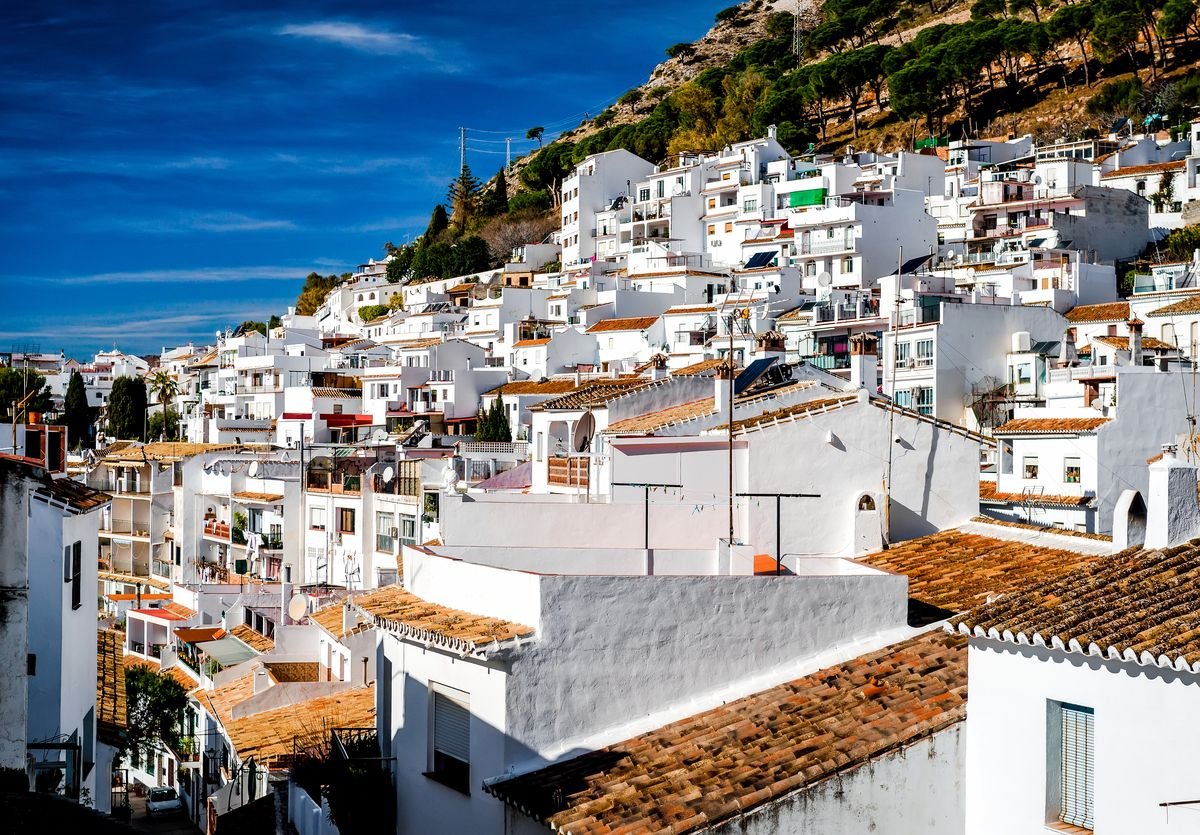
Mijas - pueblos blancos
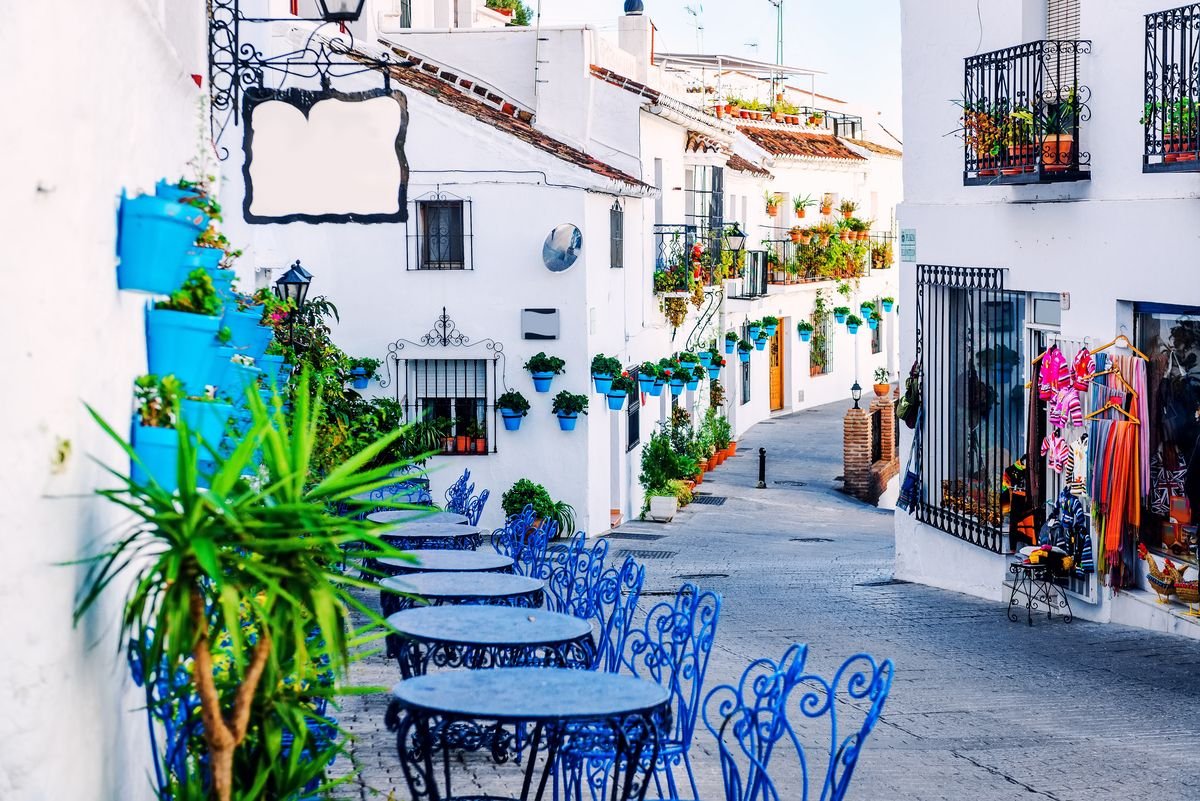
Mijas is one of the most characteristic white towns in Andalusia. Perched on a hillside, the town offers stunning views of the coastline from multiple vantage points.
The real magic lies in its narrow streets filled with flower pots that contrast beautifully against the white-washed walls. Mijas is frequently visited as a day trip from the Costa del Sol.
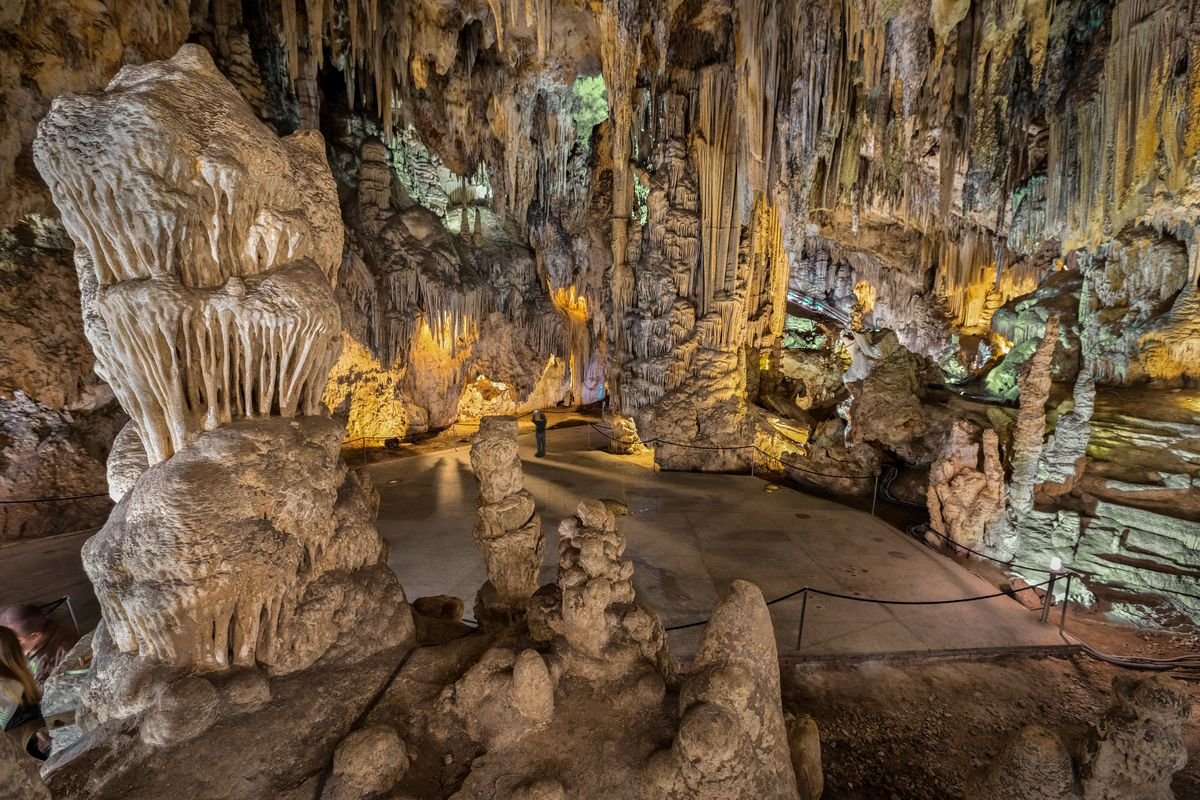
Nerja
Nerja is a quieter alternative to the larger resorts on the Costa del Sol. The town is primarily known for its Balcón de Europa viewpoint and beaches hidden away between cliffs.
One of the biggest attractions here is the Nerja Caves. They house massive stalactites and stalagmites, with some chambers reaching over a dozen meters in height. Some of the oldest cave paintings in Spain were also discovered inside these caves.
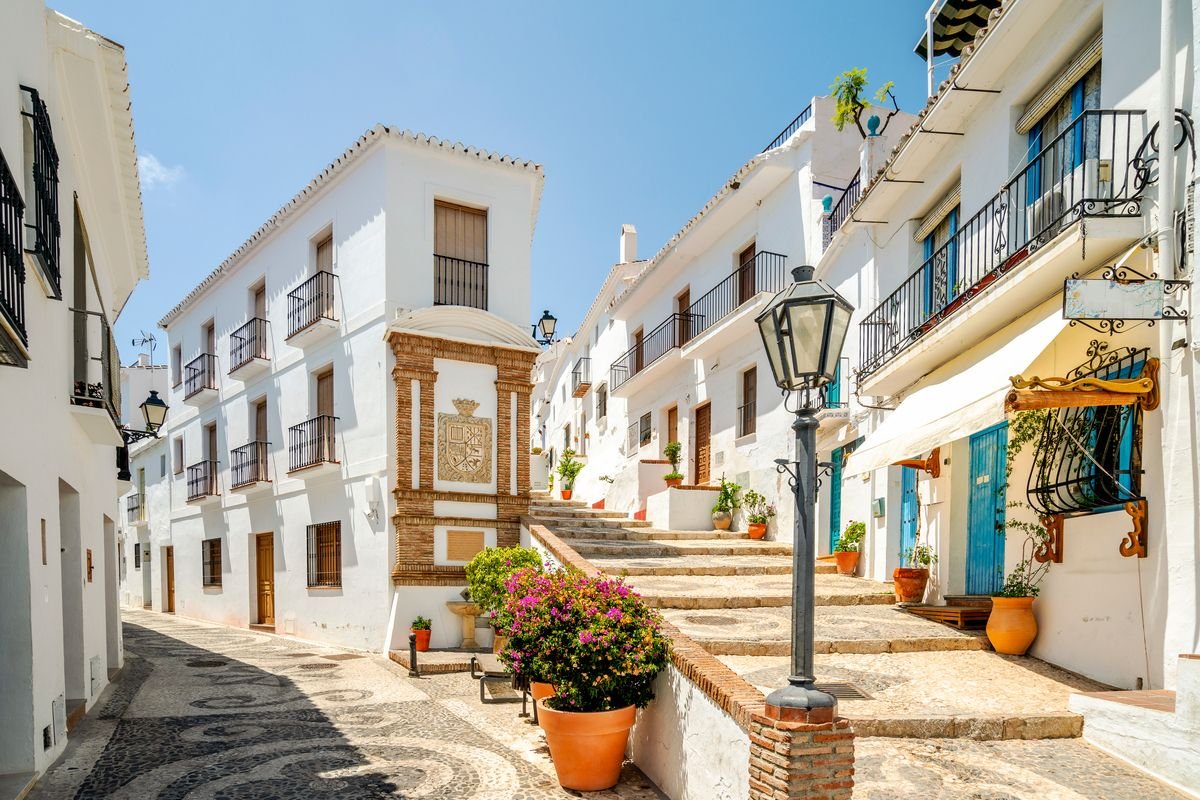
Frigiliana
Frigiliana regularly ranks among the most beautiful towns in Andalusia. With its white houses, cobblestone streets, and mountain backdrops, the place looks incredibly postcard-perfect.
The town is close to Nerja, so many travellers combine visits to both places in a single day. The best thing to do here is simply to get lost in the winding alleys and stop for a coffee or some tapas overlooking the surrounding hills.
Seville - the capital of Andalusia
Seville is where you can feel the true essence of Andalusia the most. The city captivates not only with its monuments but also with its incredible atmosphere, especially in the evenings when the squares and restaurants come alive.
_e108e5a592.jpg)
_b7bcb329a1.jpg)
_eb0ae576fa.jpg)
What to see in Seville?
- Seville Cathedral and the Giralda - Seville Cathedral is one of the largest Gothic churches in the world and a top attraction in Andalusia. Inside, you'll find the tomb of Christopher Columbus. Next to the cathedral stands the Giralda, a former minaret tower from the Moorish era. Climbing to the top rewards you with a panoramic view of the entire city.
- Plaza de España in Seville - one of the most recognisable landmarks in the city. The semi-circular plaza is surrounded by canals, bridges, and ornate tiled benches representing various Spanish cities. It has served as a filming location for several movies, including Star Wars. It's best to visit in the morning or evening when temperatures are cooler.
- Metropol Parasol and the Modern District - This structure stands out sharply against Seville's historic architecture. The massive wooden construction, resembling giant mushrooms, has become a symbol of the city's modern side. There is a viewing terrace at the top that offers a great look over Seville's rooftops, and it's an exceptionally popular spot for watching the sunset.
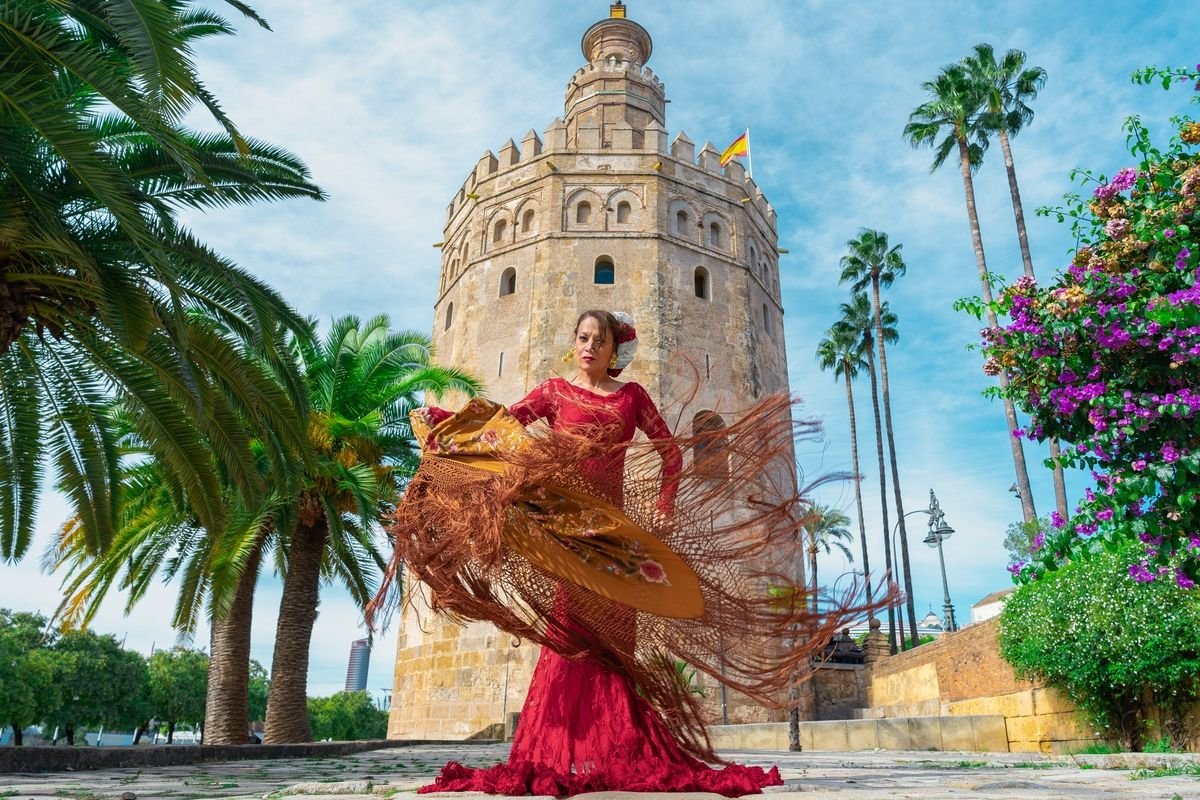
- Flamenco and Atmosphere - Seville is deeply rooted in flamenco culture. In the evenings, many venues host intimate music and dance performances. Small plazas, tapas bars, and streets bustling with people give Seville a completely different feel compared to the modern resorts of the Costa del Sol.
Want to explore Seville with a guide? Check out our tours.
Granada and the Alhambra
In Granada, strong Arabic influences are visible everywhere, particularly in the architecture and layout of the old quarters. This is where you'll find the Alhambra, one of the region's most famous monuments.
The historic city centre, the cathedral, and the narrow streets packed with teahouses and tapas restaurants are also well worth exploring. The city sits at the foot of the Sierra Nevada mountains, meaning that on a clear day, you can marvel at historic landmarks and snow-capped peaks all at once.
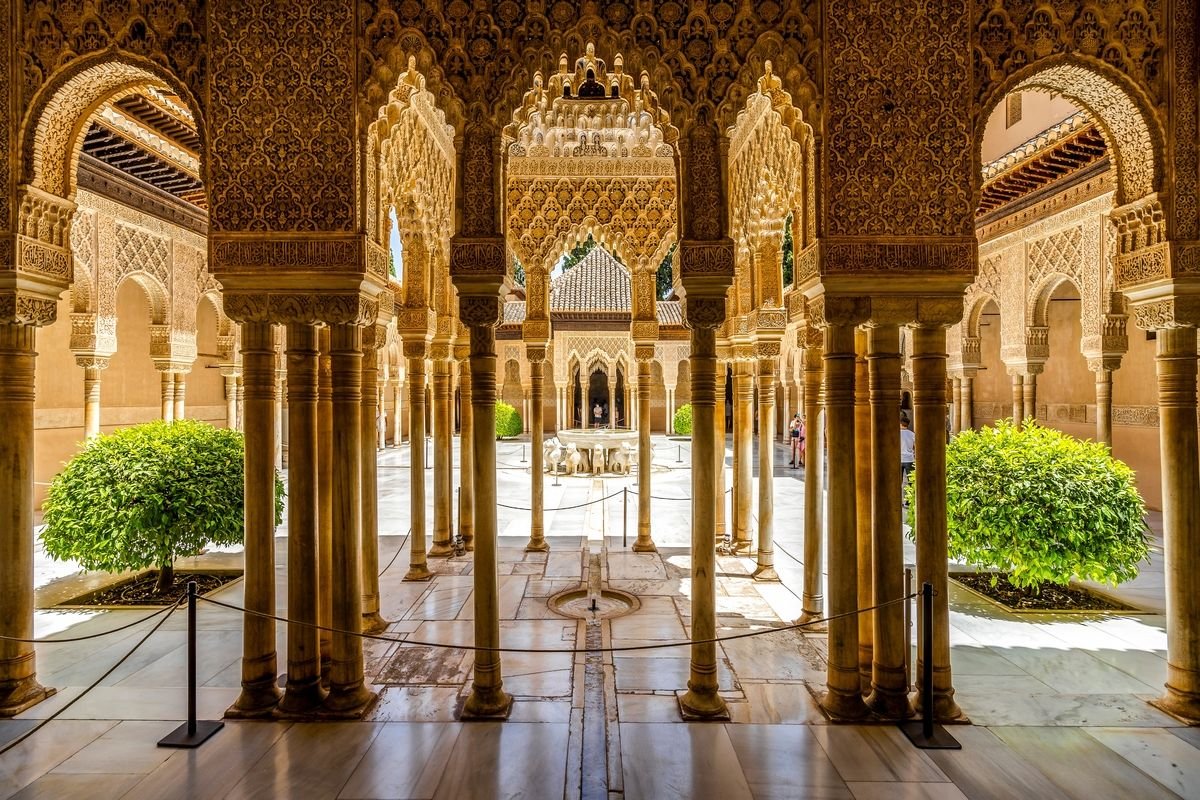
The Alhambra
The Alhambra is a former palace and fortress complex of Moorish rulers, designated as a UNESCO World Heritage Site. The complex is renowned for its intricate courtyards, beautifully decorated halls, and the stunning Generalife gardens.
As one of Spain’s most popular attractions, it's highly recommended to book your tickets well in advance. A visit usually takes several hours.
Albaicín and the Sierra Nevada
Albaicín is Granada's oldest district. Its narrow streets, white houses, and panoramic viewpoints make a stroll through this part of town feel like a journey back to the days of Moorish Andalusia.
The most famous viewpoint is the Mirador de San Nicolás. This is the absolute best spot to admire the Alhambra with the Sierra Nevada mountains framing the background.
_1e9893bfca.jpg)
Alpujarras and mountains
The Alpujarras is a region of small mountain villages nestled on the slopes of the Sierra Nevada. The white-washed houses, peaceful atmosphere, and sweeping mountain views offer a completely different experience compared to the coastal resorts.
It's a fantastic destination for anyone looking to experience a more local and tranquil side of Andalusia.
Cordoba
Cordoba was once one of the most important cities in the Islamic world. To this day, its rich Moorish heritage is clearly visible.
_0f27363215.jpg)
_5197b8e3d8.jpg)
The Mezquita
The Mezquita is one of Spain's most extraordinary monuments. This former mosque was later converted into a cathedral, creating a unique space where iconic red-and-white arches coexist with Christian architectural elements.
The Mezquita is exactly what makes Cordoba an absolute must-visit on any Andalusian itinerary.
Palacio de Viana
The Palacio de Viana is famous above all for its beautiful Andalusian patios. Inside, you'll find over a dozen courtyards brimming with flowers, fountains, and lush plants.
Every May, Cordoba hosts the Fiesta de los Patios - a festival where residents decorate their inner courtyards and open them up to the public.
Medina Azahara
A few kilometres outside Cordoba lie the ruins of Medina Azahara - a vast, 10th-century palace-city built by Moorish rulers.
The site lay hidden underground for centuries. Today, you can explore the remnants of its streets, palaces, and grand reception halls, all designated UNESCO World Heritage sites.
The White Towns of Andalusia (Pueblos Blancos)
The pueblos blancos, or white towns of Andalusia, are iconic symbols of the region. Most of them are perched on hillsides, preserving their traditional layout of white-washed houses and narrow, winding streets. While many of these towns share a similar aesthetic, each boasts its own unique vibe and views.
_fc744847eb.jpg)
_3ae178b809.jpg)
- Ronda and the El Tajo Gorge Bridge - Split down the middle by the deep El Tajo gorge, Ronda's ultimate symbol is the stone bridge, Puente Nuevo. Interestingly, Ronda is also home to one of Spain's oldest bullrings.
- Setenil de las Bodegas - Here, a portion of the houses were built directly into and underneath massive rock cliffs, causing some streets to run beneath dramatic rocky overhangs.
- Arcos de la Frontera - Perched high on a cliff overlooking the Guadalete River valley, this town offers stunning panoramic views of the surrounding hills from various vantage points.
- Vejer de la Frontera - Located on the Costa de la Luz coast, this town has preserved its Moorish street layout, with homes often decorated with vibrant flowers and colourful pots.
- Zahara de la Sierra - Nestled amidst the mountains of the Grazalema Natural Park, this town is famous for its views overlooking a turquoise reservoir and the ruins of an ancient fortress.
Over the centuries, Andalusia’s white towns were built specifically to ward off the intense heat, as the bright white walls reflected the sun and helped keep indoor temperatures down. Today, the pueblos blancos attract visitors with their peaceful atmosphere, breathtaking views, and traditional architecture.
Nature of Andalusia
While Andalusia is heavily associated with historic cities and sun-kissed beaches, the region also features highly diverse natural landscapes. Here, you can explore rugged mountain trails, desert-like coastlines, deep gorges, and wildlife-rich national parks.
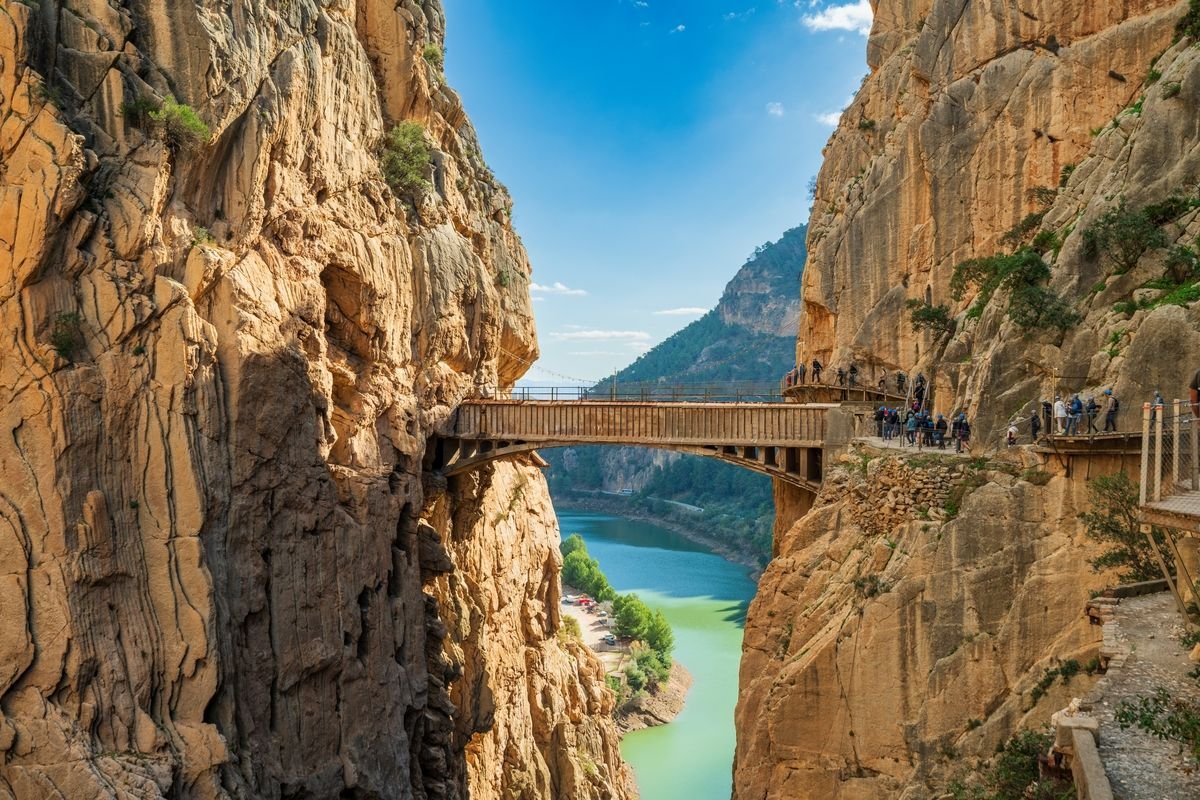
The Caminito del Rey is a walkway perched along the steep walls of the El Chorro gorge. It was once known as one of the most dangerous paths in Spain, but after extensive renovations, it was fully secured and opened to the public.
The walk takes you across wooden boardwalks suspended high above the canyon floor. The entire route spans about 7 kilometres and is a popular day trip from Malaga.
Antequera and El Torcal de Antequera
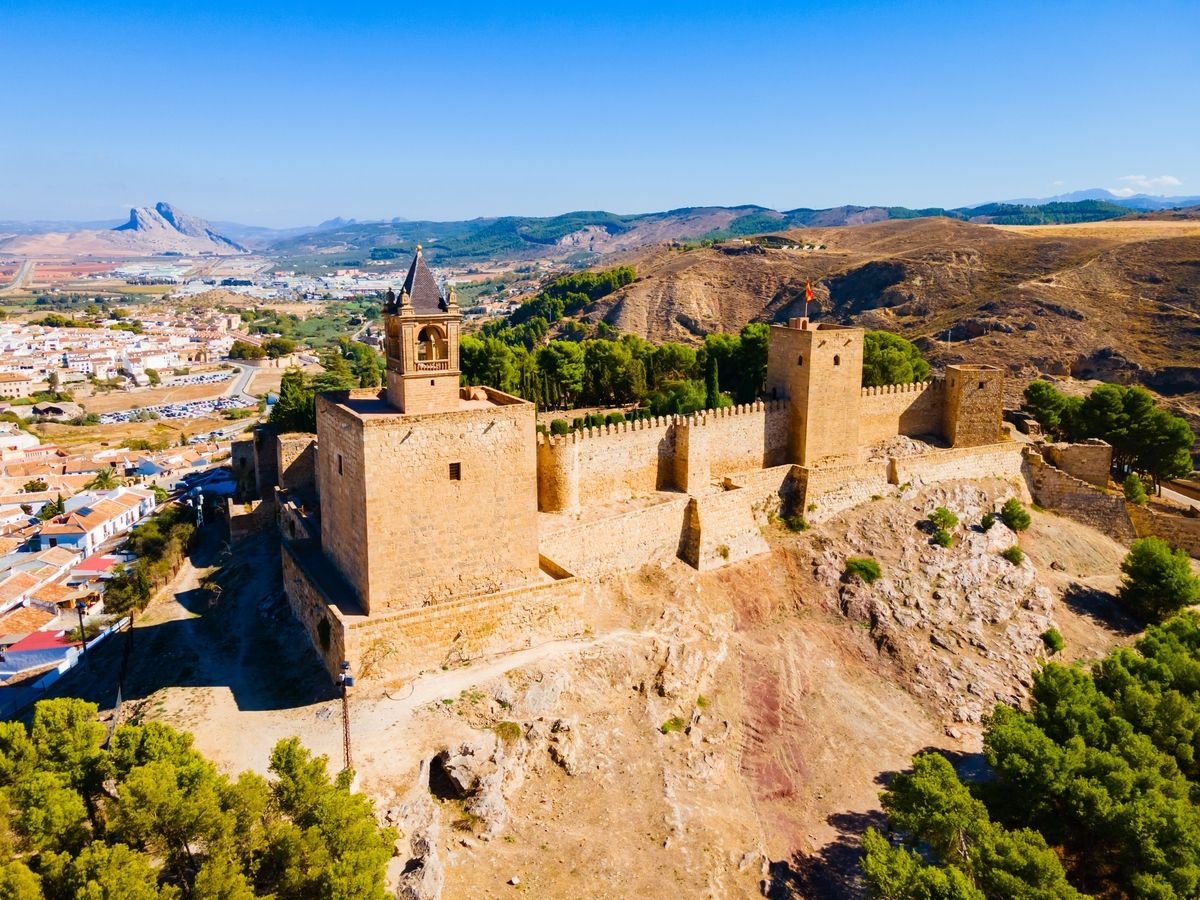
Antequera is often called the "heart of Andalusia" due to its central location between the region's major cities. The surrounding area is packed with historic monuments, viewpoints, and the striking El Torcal rock formations.
El Torcal de Antequera is famous for its uniquely shaped limestone rocks. The landscape feels otherworldly at times, which is why this spot features so prominently in photos from Andalusia.
Fuente de Piedra Lagoon
The Fuente de Piedra Lagoon is one of the premier spots in Spain to see flamingos thriving in their natural habitat.
Most birds arrive in the spring, when water levels are higher. Walking paths and observation points have been set up around the lake for visitors.
Doñana National Park
Doñana National Park is one of the most critical ecological areas in Spain. It features a diverse mix of marshes, sand dunes, forests, and habitats that host a massive variety of bird species.
The best way to explore the park is with a guide or on an organised off-road tour.
_22f17a8301.jpg)
Sierra Nevada National Park
The Sierra Nevada is a mountain range located just a stone's throw from Granada. It is home to Mulhacén, the highest peak on the Iberian Peninsula.
A popular ski resort operates here in the winter, while in the summer the region draws outdoor enthusiasts seeking to trek and take in sweeping alpine views.
Cabo de Gata Natural Park
Cabo de Gata offers a starkly different vibe than the Costa del Sol. Instead of massive holiday resorts, you'll find rugged cliffs, secluded coves, and a desert-like landscape.
The region is immensely popular among travellers seeking quieter spots and a wilder, more untouched Andalusian coastline.
The off-the-beaten-path cities of Andalusia
Beyond Seville, Malaga, and Granada, Andalusia is home to many cities that offer a more relaxed atmosphere and a distinctly local character. These are fantastic places for travellers seeking a less touristy side of the region.
_14f8f343c9.jpg)
Cadiz
Situated right on the Atlantic Ocean, Cadiz is widely considered one of the oldest continuously inhabited cities in Europe. Founded by the Phoenicians around 1100 BC, it has a history that reaches deep into antiquity. For centuries, it served as a vital trading port and a bridge between Europe and Africa.
The city stands out for its noticeably more relaxed vibe compared to mainland Andalusian towns. With its narrow streets, coastal promenades, and plazas packed with local restaurants, life simply moves at a slower pace here.
Some top things to see include:
- The cathedral with its ocean views,
- San Sebastián Castle (Castillo de San Sebastián),
- La Caleta beach,
- The historic city centre.
Cadiz is also renowned for its Carnival, which is one of the largest and most vibrant celebrations of its kind in Spain.
Jaén
Jaén rarely tops standard Andalusian travel itineraries, even though the region is well-known for its endless olive groves stretching all the way to the horizon. A massive portion of Spanish olive oil is produced right here, earning Jaén the title of the olive oil capital of the world.
The city itself is well worth a visit, especially for Santa Catalina Castle and the sweeping views over the surrounding rolling hills.
What to see in Andalusia? - summary
Andalusia seamlessly combines historic cities, coastal resorts, rugged mountains, and charming white towns. In a single trip, you can wander the vibrant streets of Seville, marvel at the Alhambra, hike the Caminito del Rey, and unwind on the beaches of the Costa del Sol.
The Andalusian region works beautifully for both a quick city break and a longer road trip. While a few days are enough to scratch the surface of Seville, Malaga, or Granada, you'll want to plan for at least a week if you want to include the smaller villages and national parks.
It's a region many people return to time and again, because every trip uncovers a completely different side of southern Spain.
_389209b585.svg)


