What to see in Prague? The most popular attractions for a city break
The capital of the Czech Republic welcomes up to 8 million visitors every year. As you wander through its streets, it is easy to understand why it is such a popular travel destination. Find out what to see in Prague and the stories behind its most famous attractions.
Hradčany
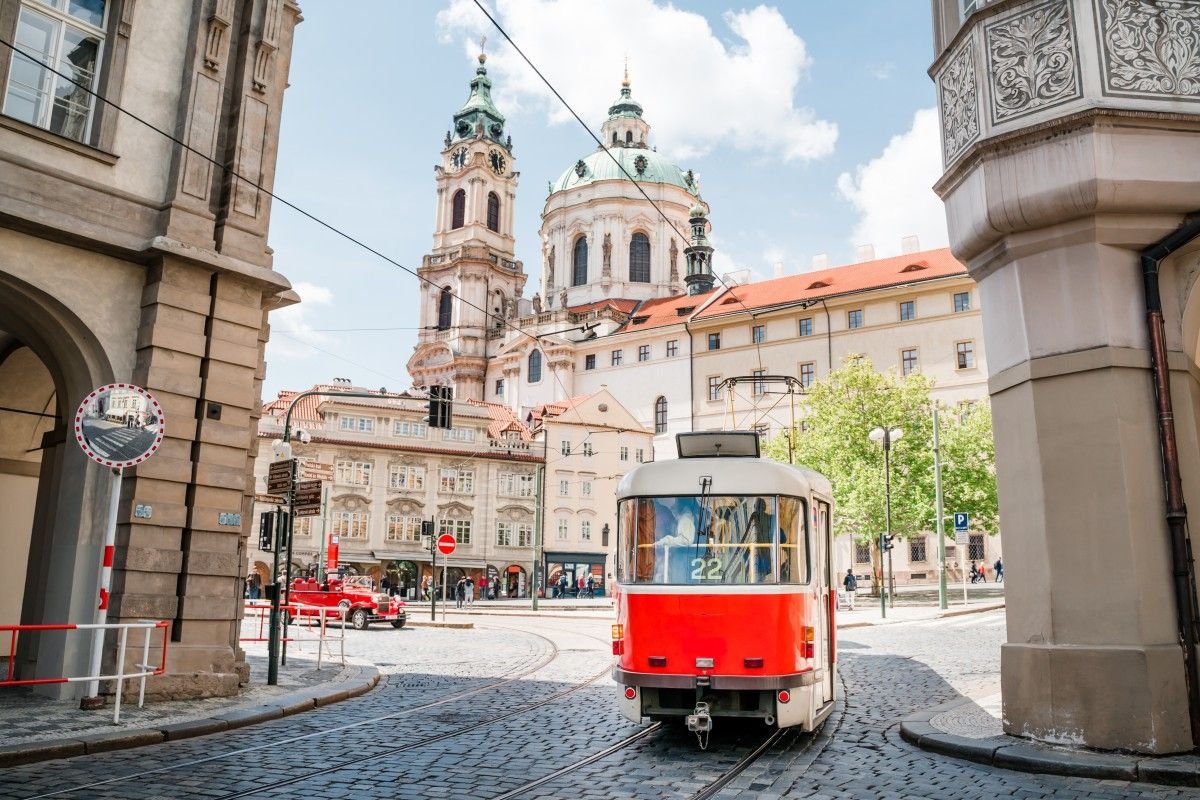
Hradčany is the district where most of Prague’s most important landmarks are located. This is where you will find the monumental Prague Castle, St. Vitus Cathedral, and Golden Lane. Be prepared for crowds, especially during the high season.
A walk through Hradčany is a must, as on one side you can admire richly decorated palaces and townhouses, while on the other, some of the most beautiful views of Prague unfold before you. Many attractions require an entrance ticket, but the area around the castle, together with the neighbouring Royal Gardens, is open to everyone free of charge.
It is worth setting aside an entire day for Hradčany. In addition to the main attractions, make sure to explore the charming courtyards and gardens, which offer a peaceful escape from the crowds.
Prague Castle
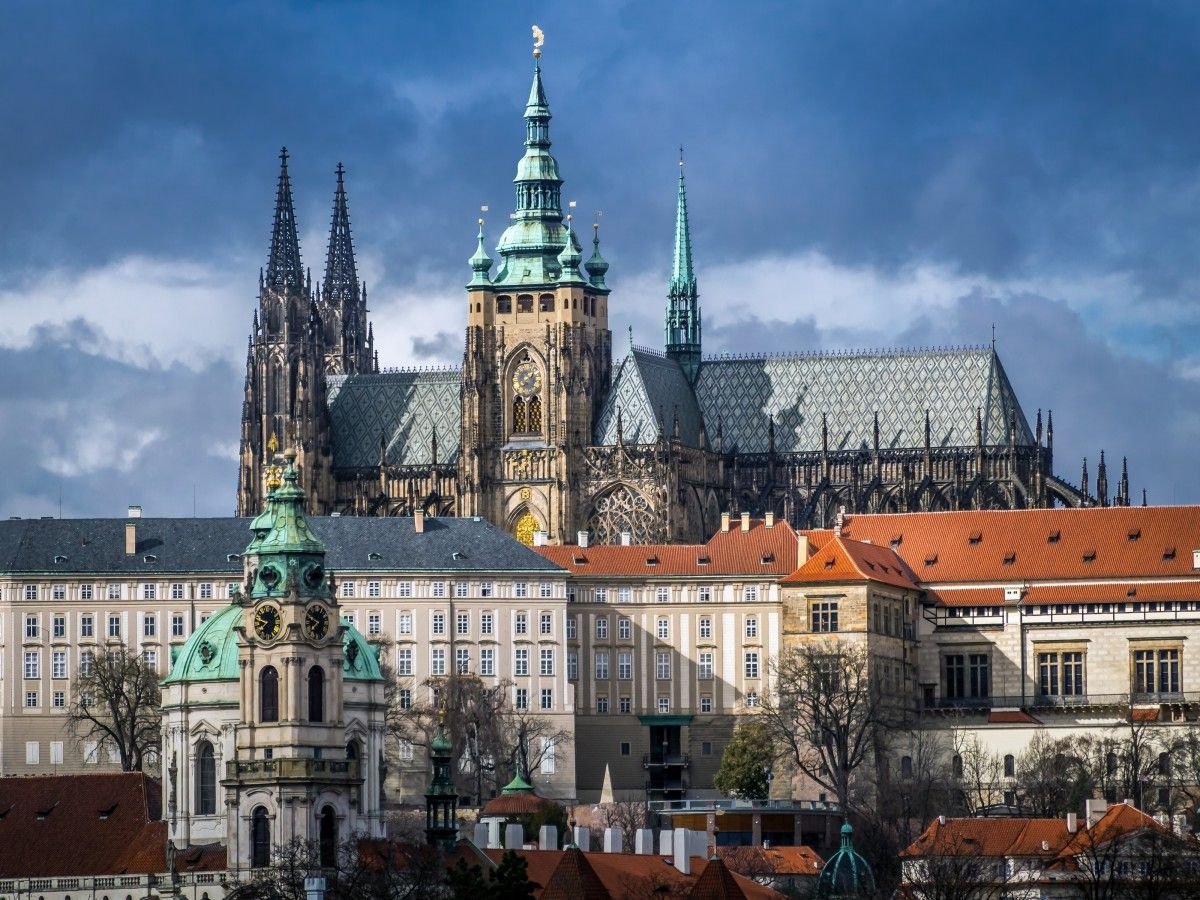
Prague Castle is the largest castle complex in the world and undoubtedly one of Prague’s most important attractions. Its origins date back to the 9th century, and for centuries it served as the seat of Czech kings, emperors, and presidents.
Within the castle grounds, you will find St. Vitus Cathedral, St. George’s Basilica, Golden Lane, and the castle gardens. It is a place where different architectural styles come together - from Romanesque and Gothic to Baroque and Renaissance.
It is worth spending several hours exploring the castle complex. You can purchase a ticket covering all attractions or selected sites, or simply walk through the courtyards free of charge and admire the impressive buildings.
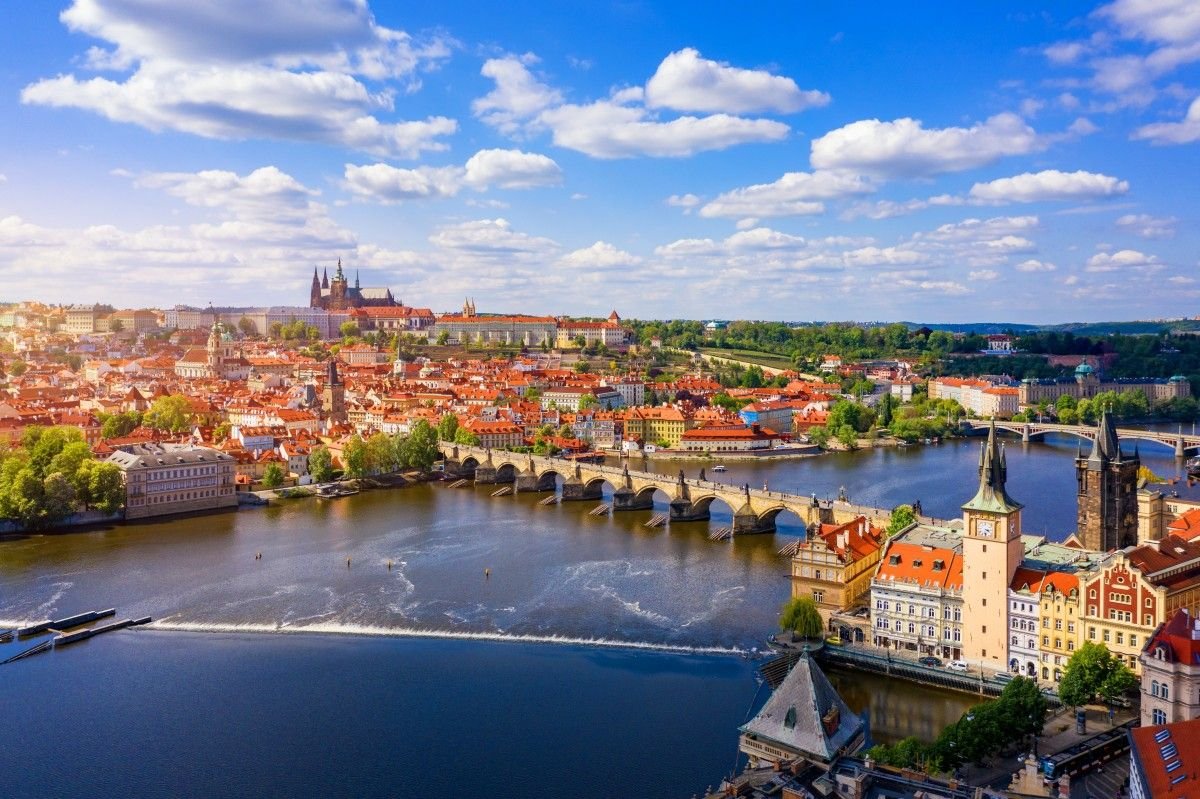
The castle is also an excellent viewpoint, offering panoramic views of the Old Town and Charles Bridge
St. Vitus Cathedral
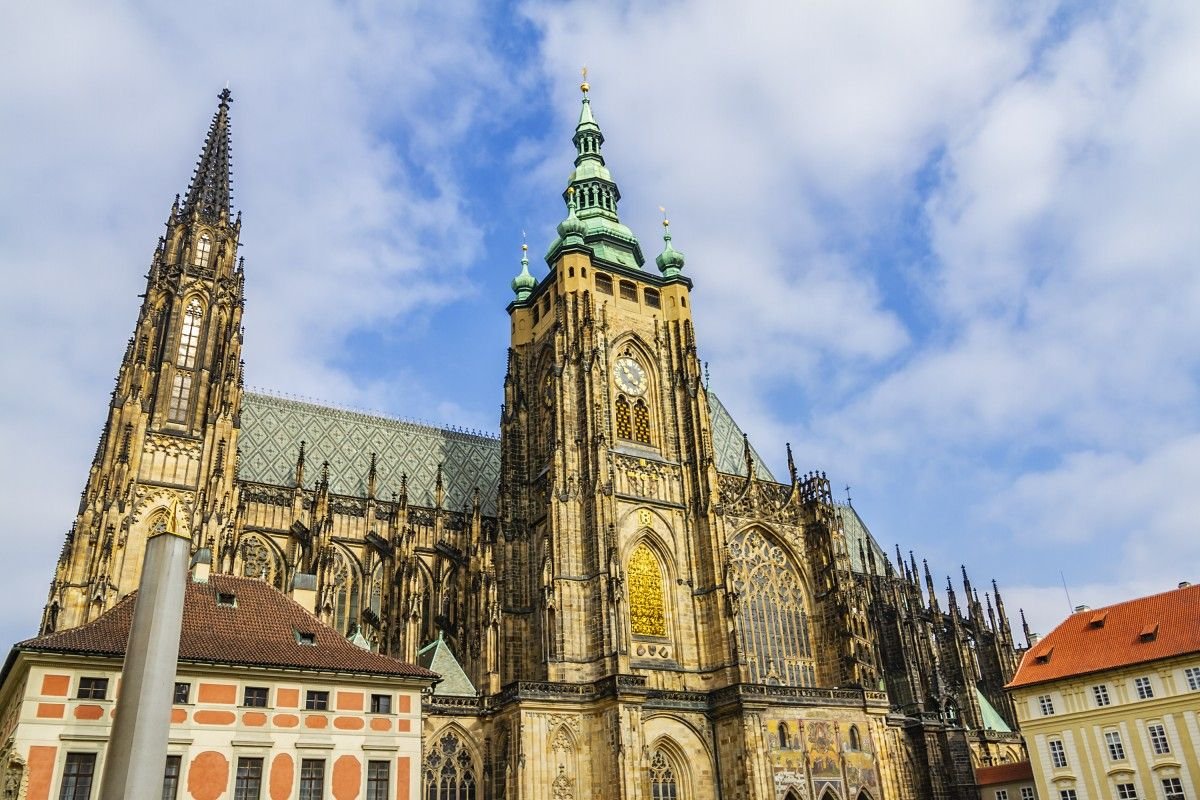
St. Vitus Cathedral is a symbol of Prague and the most important church in the Czech Republic. Its construction began in 1344 on the initiative of Emperor Charles IV and was completed only in the 20th century, after more than 600 years. Inside, visitors can admire examples of mature Gothic and Neo-Gothic architecture.
The cathedral at Prague Castle was the coronation site of Czech rulers and still serves as the burial place of kings and archbishops. The most famous part of the cathedral is the Chapel of St. Wenceslas, the patron saint of the Czech Republic. Its walls are decorated with precious stones and golden frescoes, while the crown jewels are kept in the treasury. Be sure to also admire the monumental stained-glass windows, including one designed by Alfons Mucha.
Above one of the entrances is a 14th-century mosaic depicting the Last Judgment. Made from tens of thousands of colored glass pieces, it is one of the largest and most valuable medieval mosaics in Central Europe.
For those who do not mind a climb, ascending the cathedral tower is a must. The panorama of Prague from here is among the most beautiful in the city. Interestingly, the southern tower houses the largest bell in the Czech Republic, weighing more than 13 tons.
-Praca-wlasna-CC-BY-SA-3.0_575a2368d8.jpg)
Golden Lane in Prague
Golden Lane is a charming street located within Prague Castle. This narrow, cobbled lane is lined with tiny, colourful houses. They were built in the 16th century when Emperor Rudolf II ordered homes to be constructed for the castle guards.
The street’s name is linked to the legend of alchemists who supposedly worked here on the philosopher’s stone and the transformation of metals into gold.
In later centuries, Golden Lane became home to artisans, then artists and writers. Its most famous resident was Franz Kafka, who wrote some of his stories in House No. 22 between 1916 and 1917.
Today, the houses host souvenir shops and small exhibitions that showcase what everyday life once looked like here. A walk along the lane allows visitors to experience the atmosphere of old Prague.
The best time to visit is early in the morning or late in the afternoon, as it can become crowded during the day. Entry is ticketed until 6 PM; after that, it is free, although the shops will already be closed.
Charles Bridge and the Vltava River
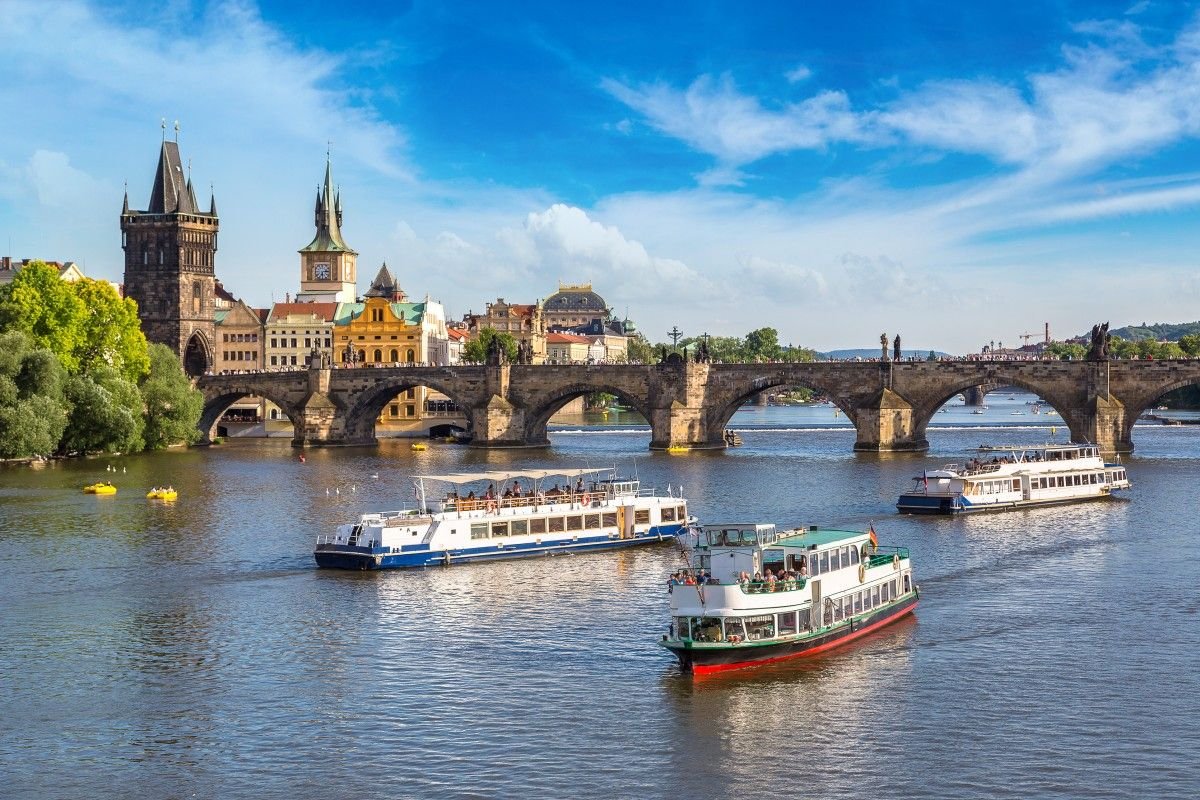
Charles Bridge is one of Prague’s symbols and a highlight of many walks through the city. Stretching across the Vltava River, it connects the Old Town with Malá Strana. Construction began in 1357 under the orders of Emperor Charles IV. To this day, it impresses with its massive structure - over 500 meters long, 9.5 meters wide, and supported by 15 pillars. Interestingly, egg yolks were added to the mortar during construction, collected from across the kingdom, to help the bridge withstand the test of time.
The bridge is decorated with 30 Baroque statues, the most famous being the statue of St. John of Nepomuk. According to tradition, touching the plaque beneath his figure brings good luck and guarantees a return to Prague.
The bridge offers one of the most beautiful views of the Vltava River, Hradčany, and the Old Town's towers. It is also worth taking a cruise on the Vltava to admire the Czech capital from a wholly different perspective.
Today, Charles Bridge is lively at all times of day. You will encounter artists, musicians, souvenir sellers, and crowds of visitors. Sunset is considered the best time for a walk, when the bridge reveals its most magical side.
The other side of the Vltava - Malá Strana
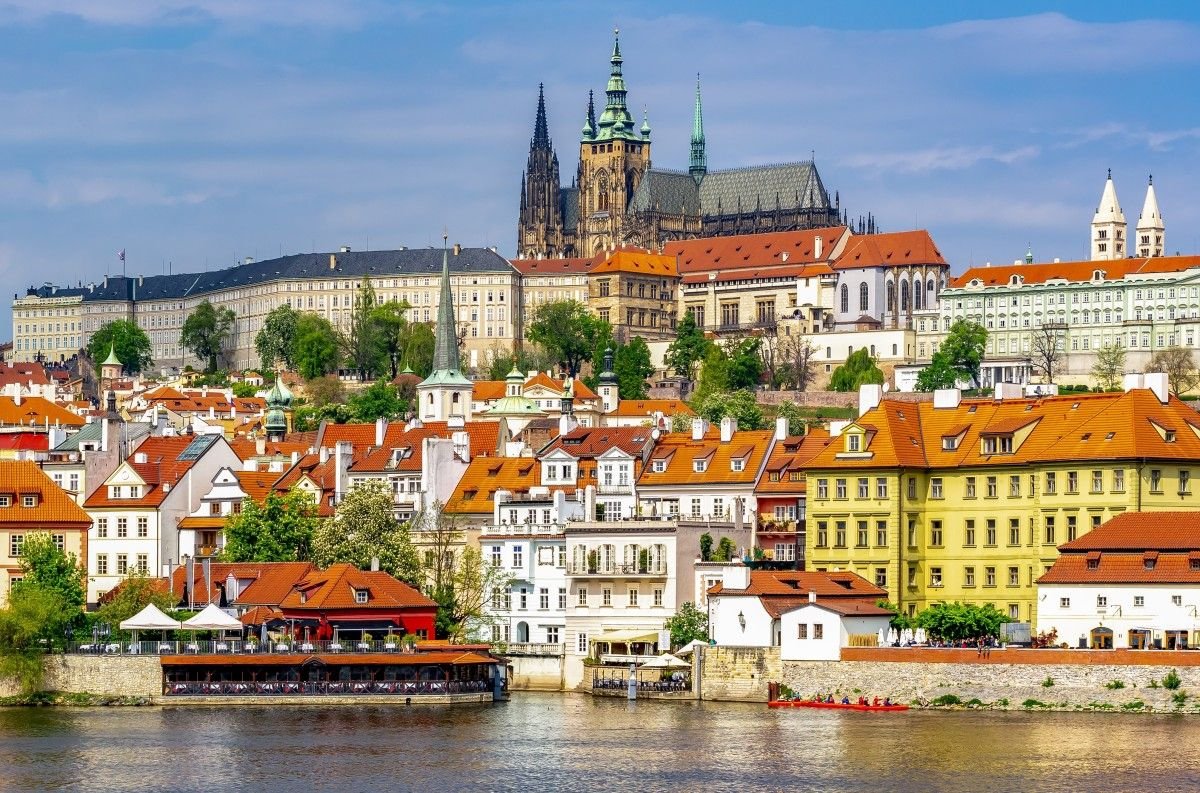
Malá Strana is one of Prague’s oldest districts, located beneath Prague Castle. Its origins date back to the 13th century and the reign of King Wenceslas I. From the 15th century onward, it became the preferred residential area of the aristocracy, and today visitors can still admire its Baroque palaces, gardens, and churches.
The district’s central point is Lesser Town Square, home to the monumental Church of St. Nicholas. It is also worth wandering through the narrow streets towards the gardens of Wallenstein Palace. For panoramic views of Prague, climb Petřín Tower.
Just beside the Vltava lies Kampa Island, separated from the city by the Čertovka canal. It is one of Prague’s best places to relax, filled with cafés, art galleries, and green spaces.
The district has preserved its historic charm while remaining vibrant and lively. It is the perfect place to experience a quieter side of Prague, away from the bustle of the Old Town.

Staré Město - Old Town
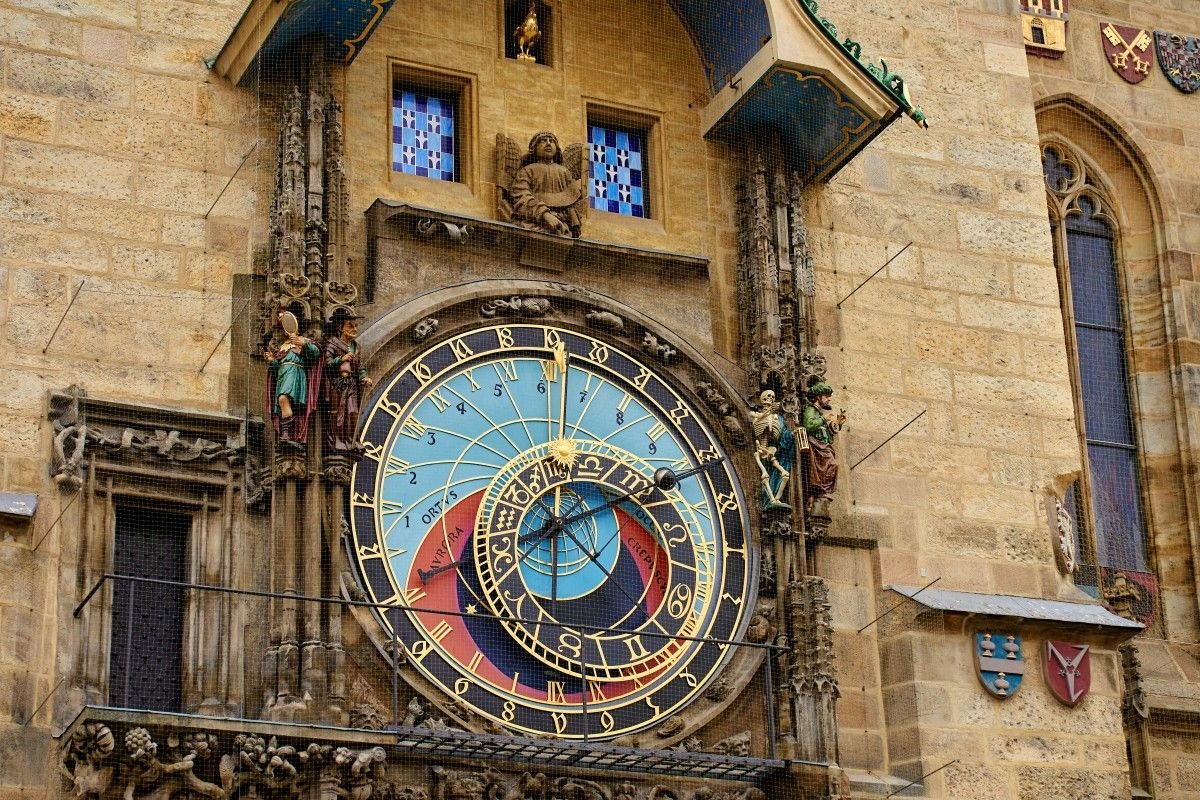
Staré Město, or the Old Town, is the historic heart of Prague. Its origins date back to the 8th century. It gained greater importance after the construction of Prague Castle, and in the 13th century it was granted town privileges.
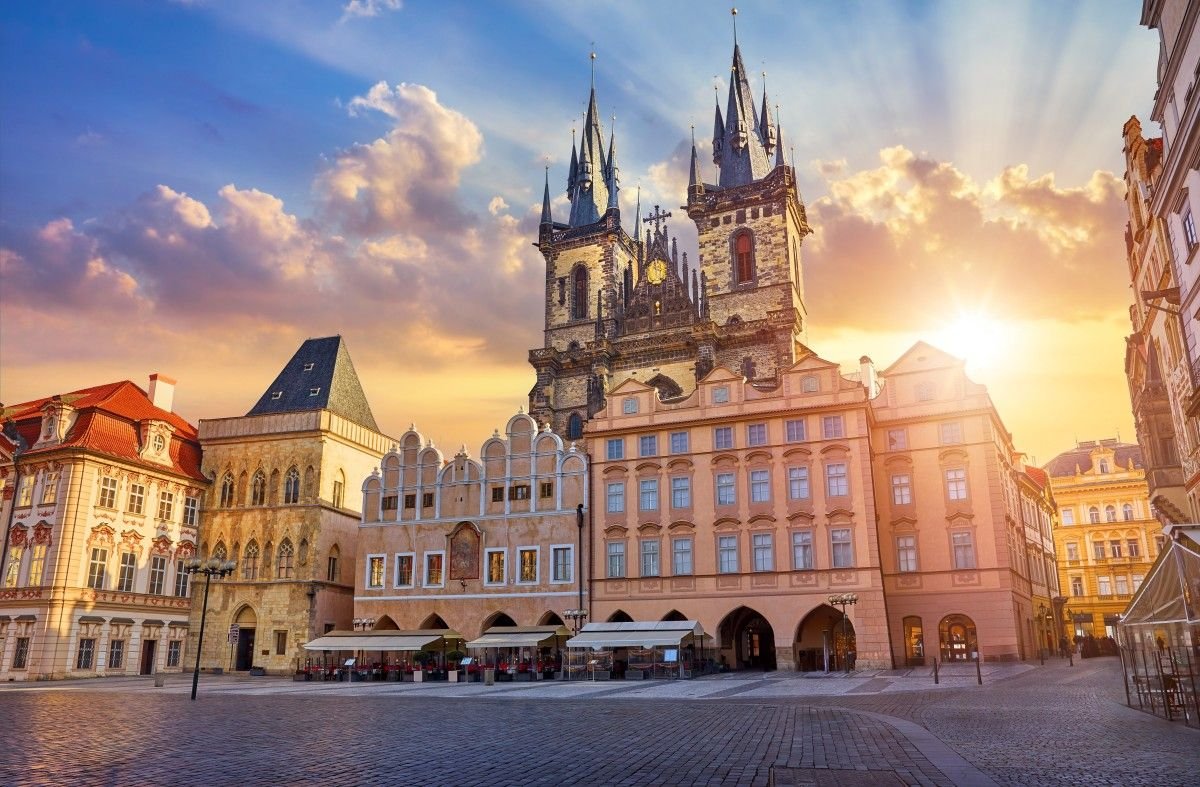
Its network of narrow, winding streets has survived to this day, leading to Old Town Square, Prague’s main square. The most recognisable landmark is the Old Town Hall with its Gothic tower and the Astronomical Clock, Orloj. Around the square, colourful buildings represent architectural styles ranging from Gothic to Baroque.
While exploring the Old Town, you will come across numerous churches and monasteries, the most famous being the Gothic Church of Our Lady before Týn. It is also worth visiting the Carolinum, one of the oldest universities in Central Europe, founded by Charles IV in 1348, and the Clementinum, a former Jesuit college dating back to the 17th century.
The Jewish Quarter of Josefov
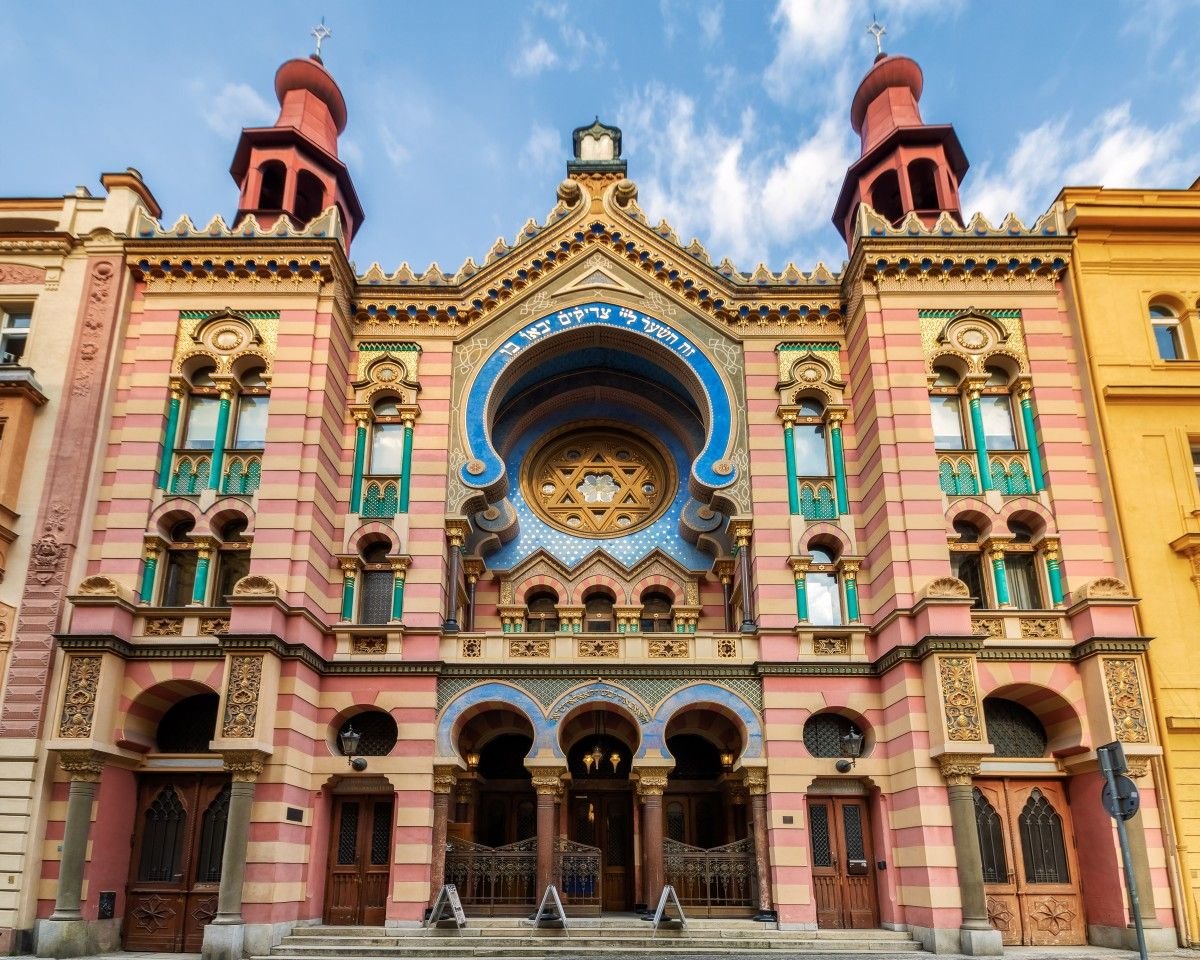
Josefov is the former Jewish quarter located next to the Old Town. Its history dates back to the Middle Ages, and by the 12th century it had become one of the most important centres of Jewish life in Europe.
The name “Josefov” comes from Emperor Joseph II, who introduced reforms in the 18th century that improved about Jews in the Czech lands.
Its most valuable monument is the Old Jewish Cemetery, where more than 12,000 gravestones have been preserved within a small area, layered atop one another.
In Josefov, visitors can also see several preserved synagogues. The oldest, the Old-New Synagogue, was built in the 13th century and still serves as a place of worship. The Spanish Synagogue impresses with its Moorish-style interior.
The district is also associated with the legend of the Golem. According to Prague folklore, Rabbi Judah Loew created an artificial man from clay to protect the Jewish community from attacks.
Today, Josefov offers insight into both Jewish history and culture, which have played a significant role in the city’s past.
Powder Tower
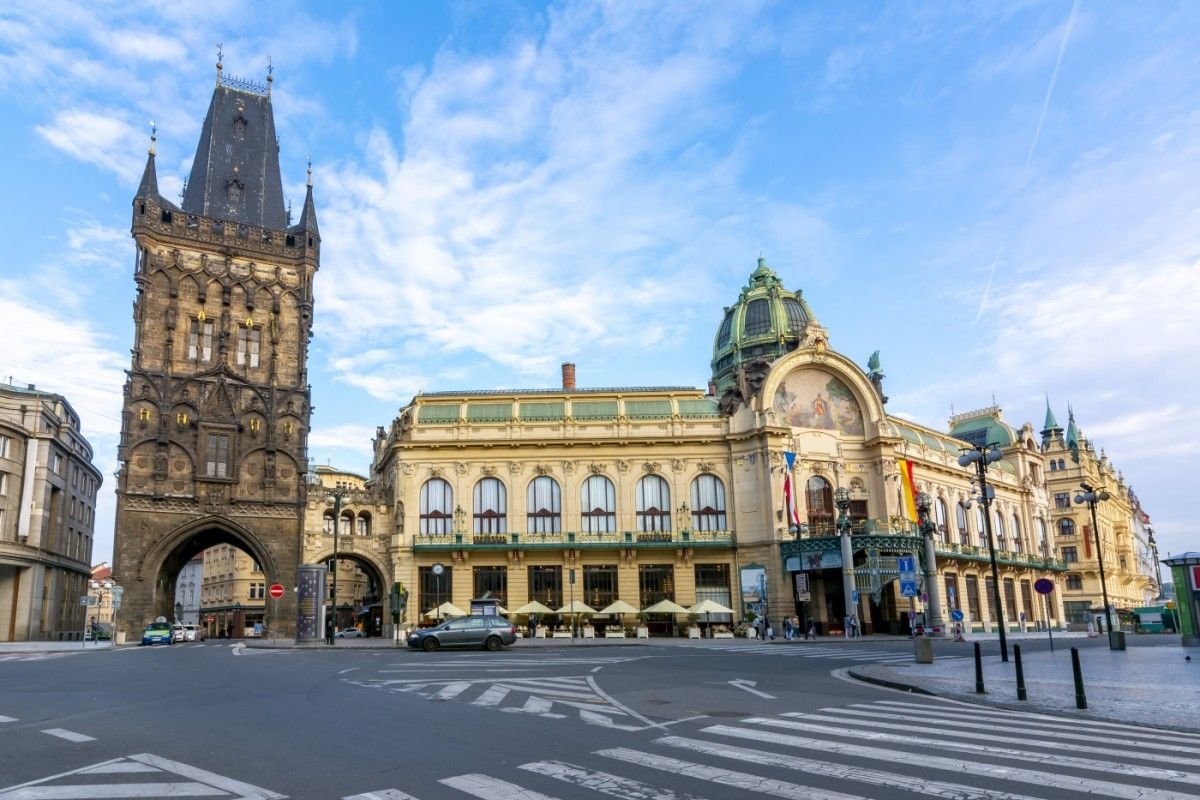
The Powder Tower is one of Prague’s symbols. It was built in the 15th century as part of the city’s fortifications and served as one of the main gateways into the Old Town. Its name comes from its use as a gunpowder storage container in the 17th century.
The tower stands 65 meters tall and still impresses with its late Gothic decorations, including sculptures of Czech kings and patron saints. It is worth climbing to the viewing terrace for a panoramic view of the Old Town.
The Powder Tower marked the beginning of the Royal Route, the ceremonial path followed by Czech monarchs during their coronation processions, leading to Prague Castle. Today, it serves as a symbolic gateway to Prague’s historic centre and a reminder of the city’s medieval past.
Alfons Mucha Museum
The Alfons Mucha Museum is a must-visit for lovers of Art Nouveau. It is located in the Baroque Kaunický Palace in central Prague, near the Powder Tower.
Alfons Mucha became famous primarily for the posters he created for Parisian theatres and stage stars such as Sarah Bernhardt. His distinctive style, filled with decorative ornaments, floral motifs, and female figures, became synonymous with Art Nouveau at the turn of the 20th century.
The museum features not only his famous posters but also oil paintings, photographs, and sketches that showcase the breadth of his artistic talent. Among the exhibits are parts of his monumental cycle, The Slav Epic, on which Mucha worked for many years.
Rudolfinum
The Neo-Renaissance Rudolfinum building was constructed in the second half of the 19th century on the banks of the Vltava River. It serves as a centre for art and music, housing both an art gallery and a concert hall that hosts the Czech Philharmonic Orchestra.
Temporary exhibitions present works by artists from around the world, ranging from painting and sculpture to photography, installations, and multimedia art. Importantly, Rudolfinum does not have a permanent collection, meaning every visit offers something new to discover.
The building itself is also worth admiring, as its monumental façade with columns and richly decorated interiors reference Renaissance palace architecture.
Vyšehrad
Vyšehrad is a historic hill above the Vltava River, surrounded by legends and regarded as the cradle of Czech statehood.
According to legend, it was here that Princess Libuše lived and foretold Prague's greatness. Although the settlement dates back to the 9th century, Vyšehrad’s current appearance is largely the result of Austrian fortifications.
The complex contains many interesting sites. The most recognisable is the Neo-Gothic Basilica of St. Peter and St. Paul, whose twin spires dominate the skyline. Nearby lies the Vyšehrad Cemetery, the resting place of prominent Czechs including composers Antonín Dvořák and Bedřich Smetana, as well as writer Karel Čapek.
While walking through Vyšehrad, you can also see the remains of the Romanesque Rotunda of St. Martin, fragments of old fortifications, and extensive gardens. The bastions offer sweeping views of the Vltava River and Prague’s skyline.
Vyšehrad lies outside Prague’s very centre, but it is easy to reach by tram or bus. Far fewer tourists visit this area, creating a more peaceful atmosphere and offering a welcome break from the busy city centre. It is the perfect place to relax with a coffee or a local beer.
Should you visit Prague? What is worth seeing?
Prague has everything that makes a city break enjoyable: a historic centre packed with landmarks, fascinating districts, and plenty of places to explore on foot.
It is a city where most of the top attractions are clustered close together. Exploring Prague does not require complicated planning - a map app and comfortable shoes are usually enough.
A huge advantage is how easy it is to get there:
- Prague is well connected to many European cities by direct flights.
- Travelling by car is a practical option for those who prefer flexibility and want to explore beyond the city, though parking restrictions should be considered.
- Direct train connections make Prague easily accessible from many major cities across Central Europe.
You can visit Prague spontaneously for a 2-3-day city break, or plan a longer stay to discover the many attractions of the Czech capital at a slower pace.
_389209b585.svg)


