Madeira Travel Guide. Discover hidden gems & stunning landscapes
Madeira, the “island of eternal spring,” is difficult to compare with any other place in Europe. Discover what to see in Madeira and how to plan your stay - from top attractions to practical travel tips.
Why is Madeira so popular?
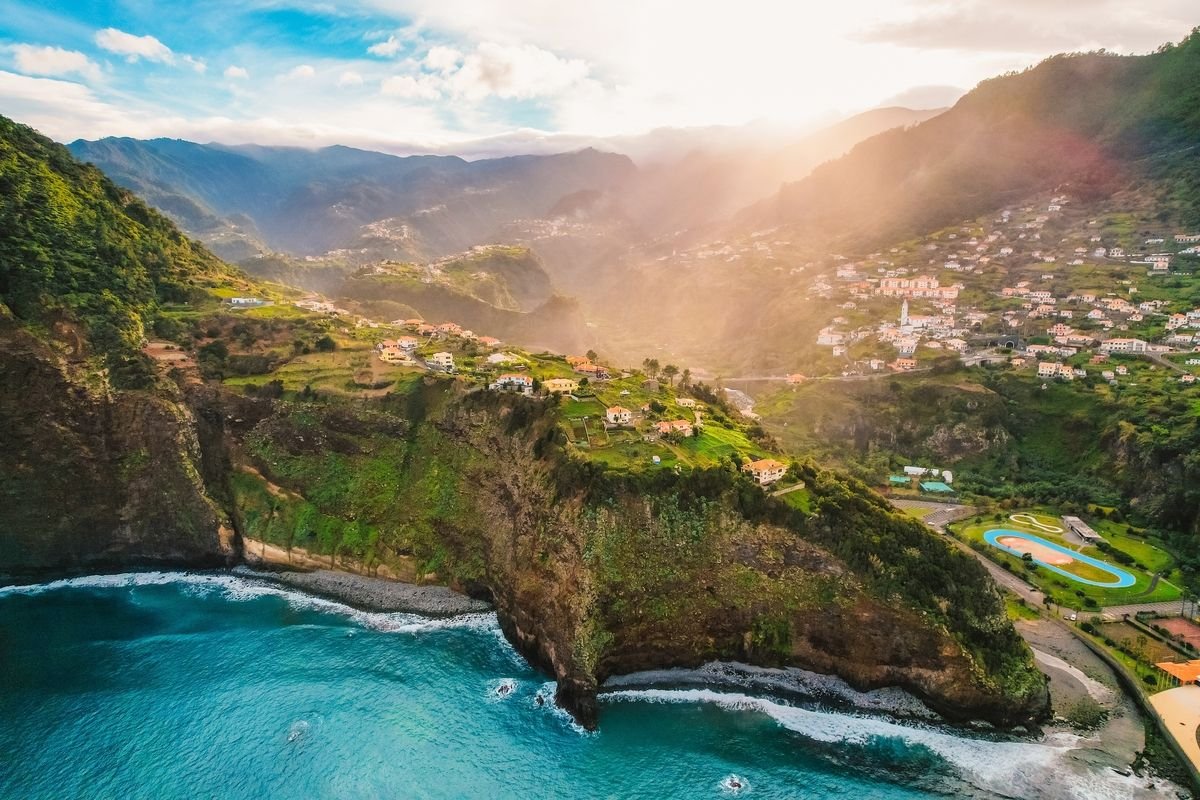
Madeira is an island of contrasts. In one day, you can walk through lush, humid laurel forests, climb the highest peaks of Madeira, and shortly after, admire dramatic cliffs dropping straight into the ocean. This diversity is what makes the island so unique.
The history of Madeira dates back to the 15th century, when it was discovered by Portuguese sailors. Initially, the island was almost entirely covered in dense forests, which were later burned to create farmland - this is likely where its name comes from (the Portuguese “madeira,” meaning “wood”).
Over time, Madeira became a significant stop on trade routes between Europe and North and South America. Sugar production developed here, followed later by wine production, which remains one of the island’s symbols to this day. The characteristic agricultural terraces and the levada system were created to efficiently manage water in the mountainous terrain.
Today, Madeira combines wild nature with a rich history and local traditions, attracting nearly 2.5 million tourists every year.
Who are holidays in Madeira for?
The “island of eternal spring” is a destination that’s difficult to define, and that’s precisely its greatest advantage.
Madeira is perfect for active travellers who want to explore the island on foot and admire its wild nature. Hiking along the levadas, climbing Pico Ruivo, or walking along cliffs are among the island’s biggest highlights.
At the same time, it’s a great choice for those looking for a more relaxed holiday. Charming towns, ocean views, and a mild climate make it easy to unwind without the crowds typical of many popular resorts.
See even more of Madeira!
As you plan your getaway, explore local attractions that make this island special. These experiences will enrich your journey and create unforgettable memories. Embrace the adventure and book your trip today: www.seeplaces.com/excursions/madeira
Funchal - the island’s capital
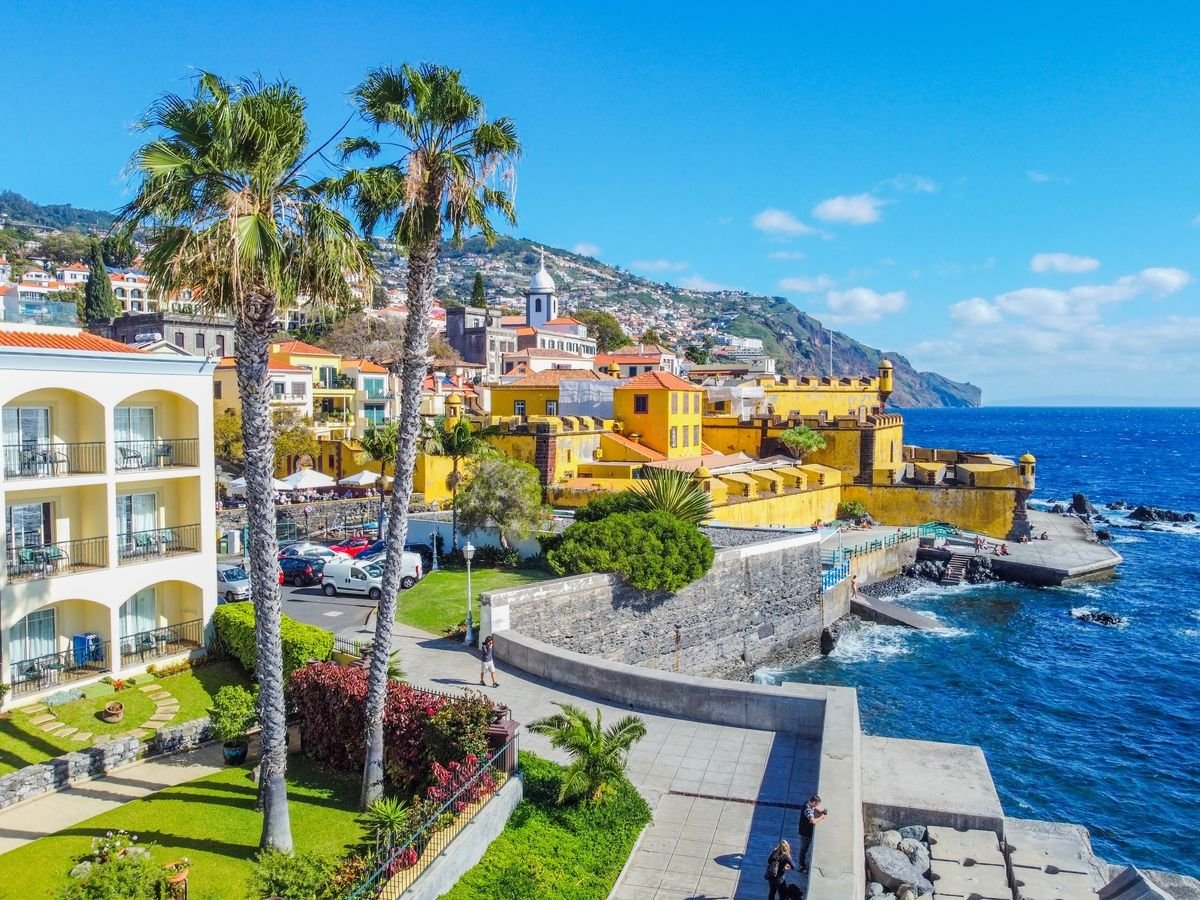
Funchal, the capital of Madeira, is a common starting point for most travellers. The city combines history, good tourist infrastructure, and a unique location between mountains and the ocean.
It’s worth visiting Mercado dos Lavradores, where you can try exotic fruits and see fresh fish, including the characteristic black scabbardfish (espada). A walk through the old town, Zona Velha, is a chance to admire colourful doors and atmospheric restaurants.
Funchal is also the birthplace of Cristiano Ronaldo, one of the greatest footballers in history. In his honour, a museum (CR7 Museum) was created here, the island’s main airport was named after him, and there is also a distinctive statue, one of the city's most photographed spots.
Want to get to know Funchal even better? Take a guided tour. From a visit to the market and the old town to a local wine tasting. Discover more: https://seeplaces.com/excursions/madeira/madeira/funchal/
Try this in Funchal!
You can take a cable car to the Monte district and then go down in traditional wicker toboggans. It’s one of the most unusual attractions in Madeira.
Santana
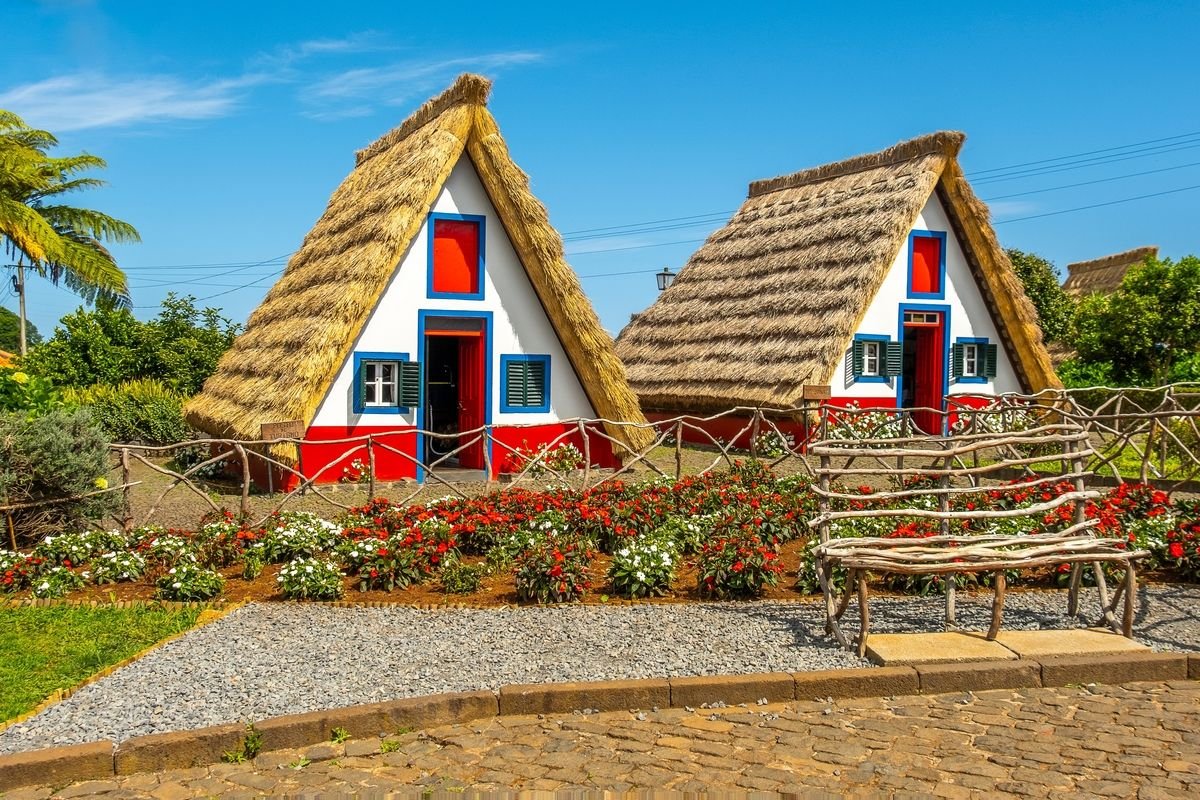
Santana is located on the northeastern coast of Madeira. It’s one of the most recognisable places on the island, known for its characteristic triangular thatched houses. Although they serve mainly a tourist function today, they are an important symbol of local architecture and tradition.
It’s a great place to see what life in Madeira looked like before tourism developed. In the surrounding area, you’ll also find numerous viewpoints and trails leading toward the mountains of Madeira and the laurel forests.
Calheta
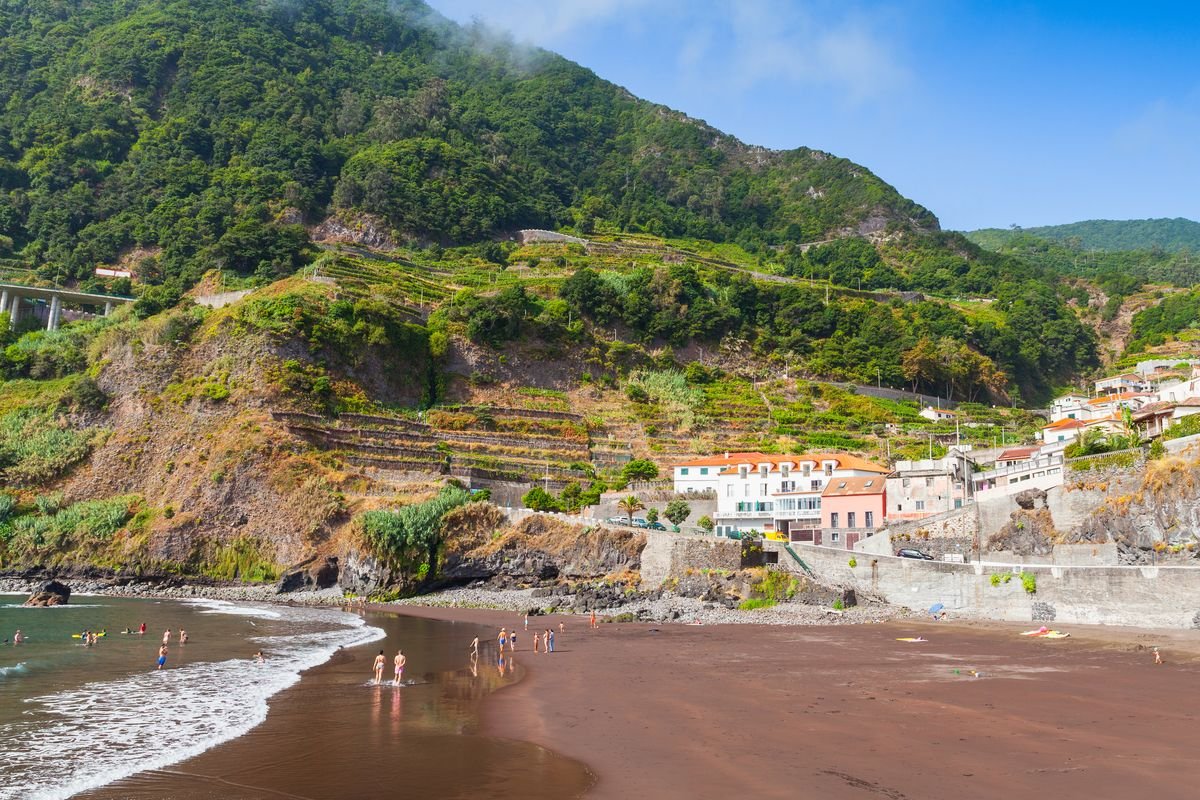
Calheta represents a different side of western Madeira - sunnier and more relaxed. It’s one of the few places on the island with a sandy beach (the sand was imported from Morocco), making it a popular choice for those looking to relax.
The town is also known for its sugar cane rum production, and the local distillery is an interesting stop for those interested in the island’s history.
Calheta is also a good base for exploring western Madeira and the Paul da Serra plateau.
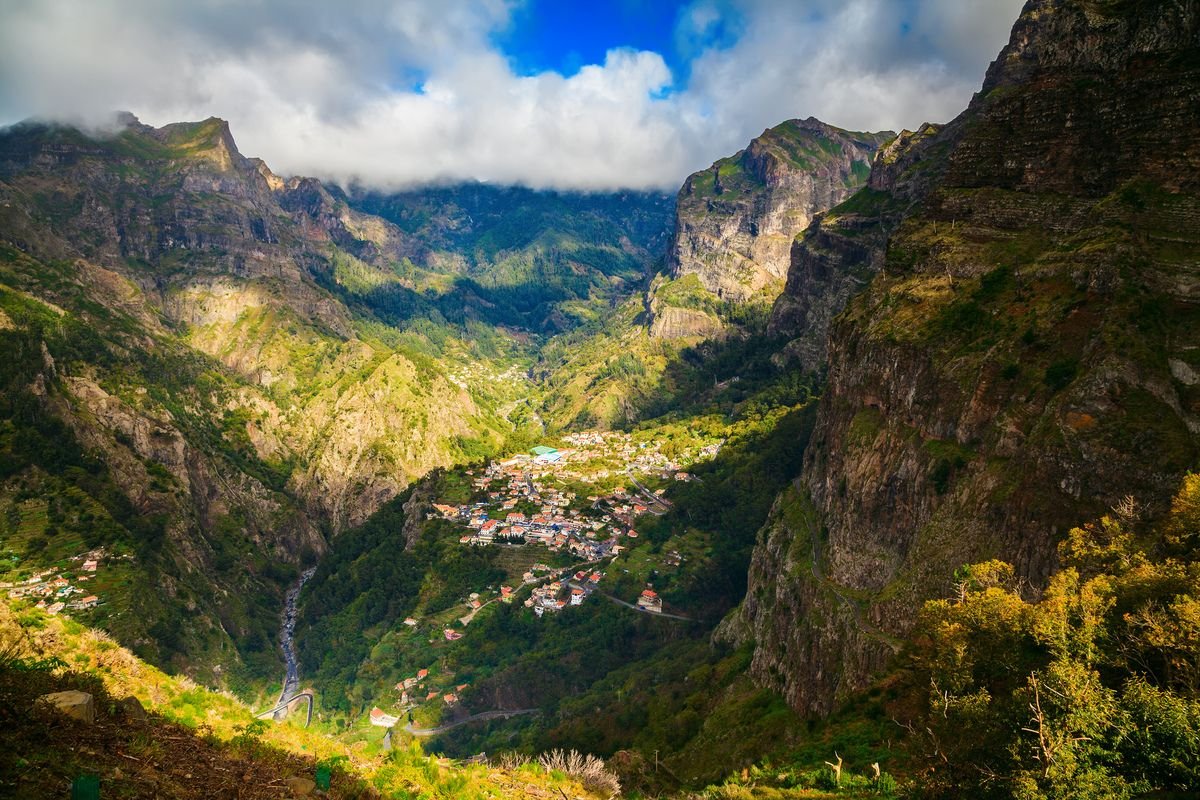
Valley of the Nuns (Curral das Freiras)
The Valley of the Nuns is located deep in the mountains and, surrounded by steep peaks, feels completely cut off from the outside world.
The name comes from the story of nuns who hid here in the 16th century from pirates attacking Funchal. Today, it’s a peaceful village known for its chestnut dishes, a local speciality.
The best views of the valley can be seen from the Eira do Serrado viewpoint, where you can admire the majestic nature of Madeira.
Attractions in Madeira - wild nature and landscapes
Madeira’s mild climate keeps its vegetation lush and green year-round. You’ll find both Mediterranean and tropical plants here, often growing side by side.
The island is known for many endemic species, meaning those found only here. Examples include the Canary laurel tree (a key element of the Laurisilva forest), the Madeira bellflower (Musschia aurea), , and Echium candicans, known as “Pride of Madeira,” with its distinctive purple flowers.
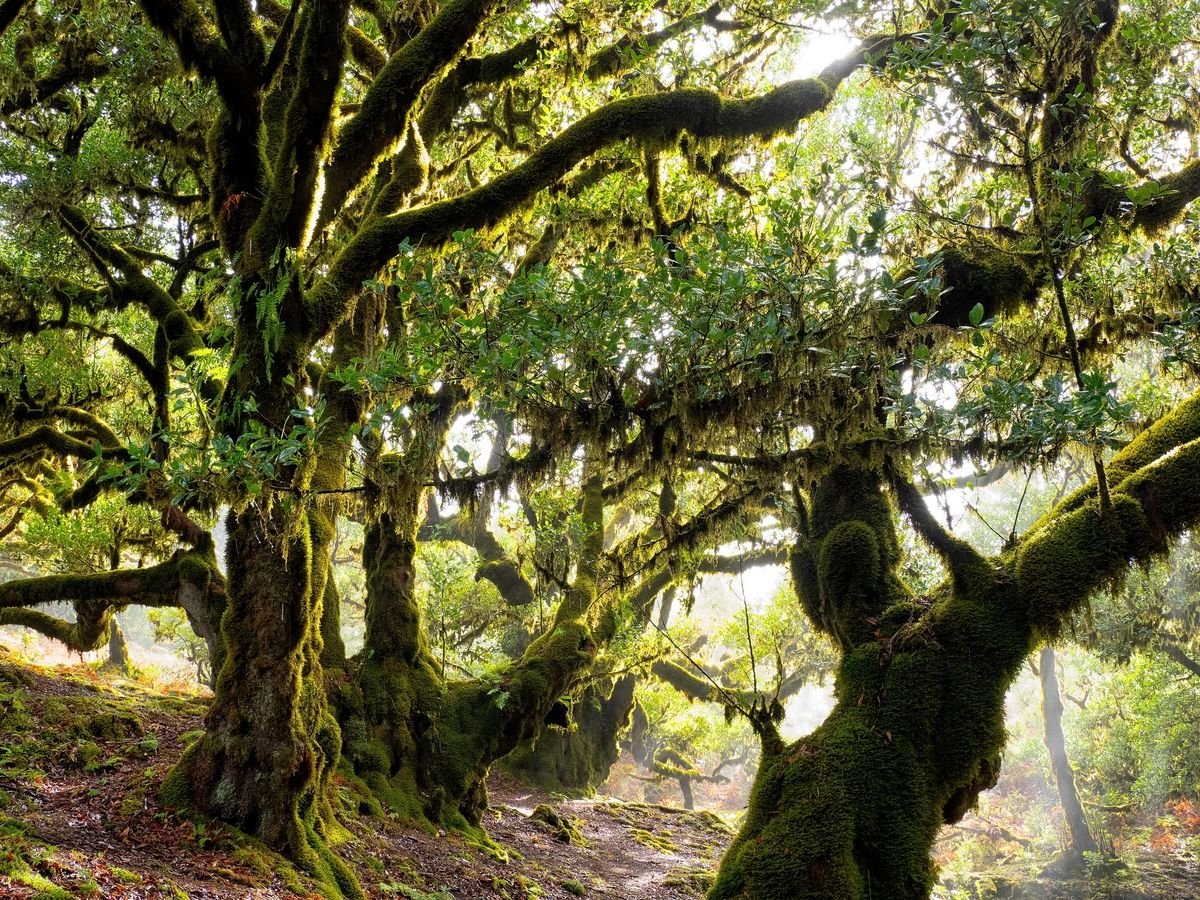
Laurel forests (Laurisilva)
The laurel forests (Laurisilva) are one of the island’s greatest natural treasures. They are listed as a UNESCO World Heritage Site and are one of the best-preserved ecosystems of this type in the world.
They cover up to 16% of the island, making them one of the largest concentrations of laurel trees globally. Evergreen trees are one thing, but the atmosphere is another - mist, moss, vines, and twisted branches make it feel like a fairytale.
Most of the laurel forests can be found in the north of Madeira, with one of the most iconic areas being Fanal (Floresta do Fanal) at around 1150 meters above sea level.
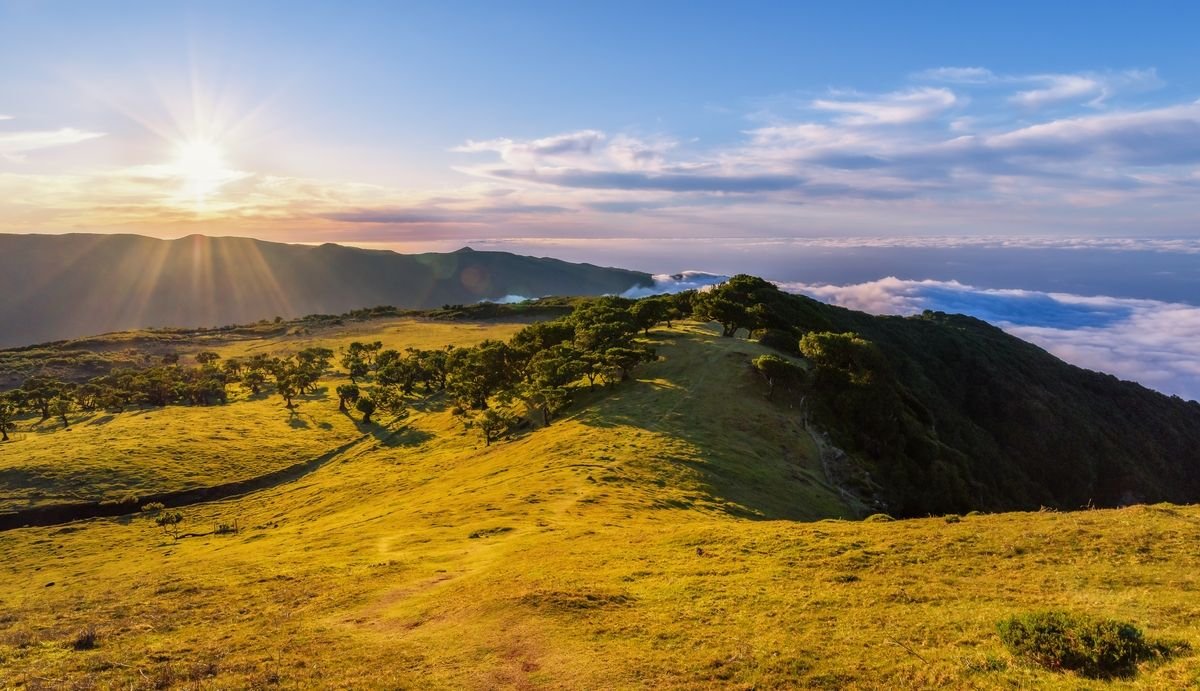
Paul da Serra Plateau
The Paul da Serra plateau is a vast area in the central-western part of Madeira that stands out from the rest of the island for being… flat. Since 70-80% of Madeira is mountainous, flat terrain is something truly unique.
The landscape here is raw - often windy, with low vegetation and wide panoramas. It is also a great starting point for many trekking routes.
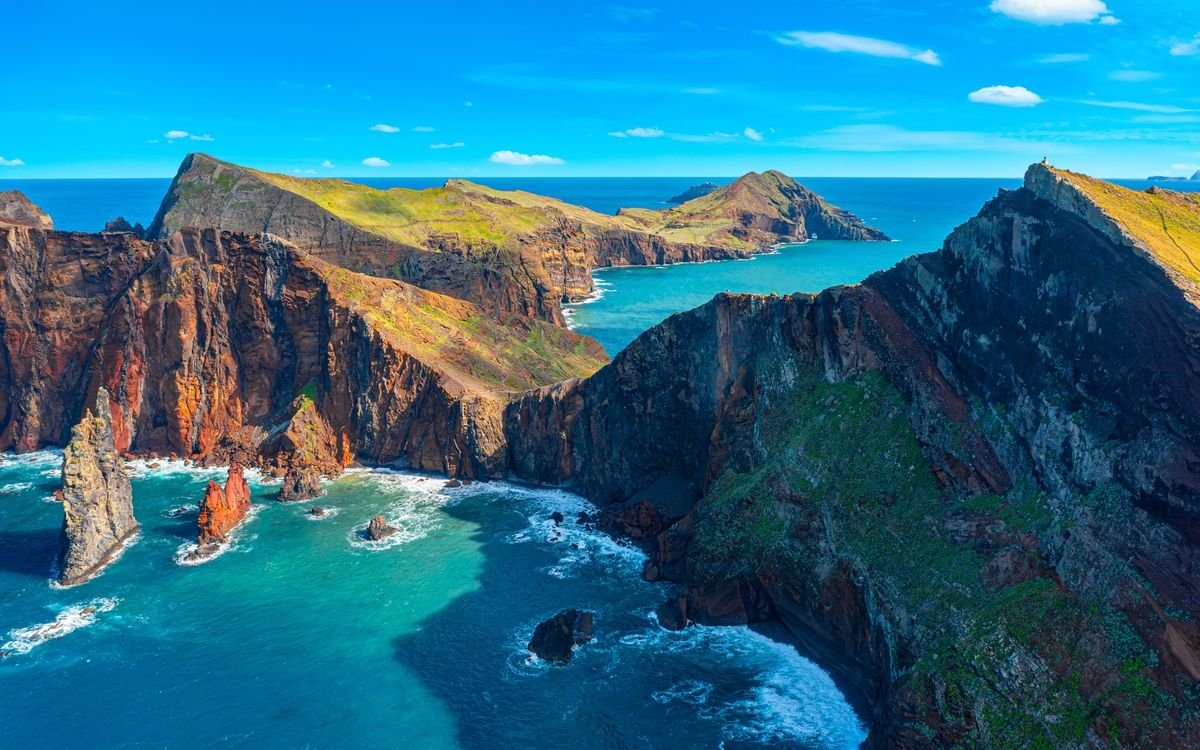
São Lourenço Peninsula (Ponta de São Lourenço)
The São Lourenço Peninsula is the easternmost part of Madeira, surrounded by the Atlantic Ocean on both sides. Instead of green landscapes, you’ll find rocks, wind, and ocean, with cliffs forming spectacular shapes.
It’s an excellent place for trekking with ocean views, especially at sunrise or sunset. However, keep in mind that the area is exposed - it can get very hot in summer, and the wind can be forceful.
Viewpoints and mountains in Madeira
Madeira’s mountains are one of the main reasons travellers choose this island. Steep slopes, sharp ridges, and spectacular viewpoints make almost every scene look like a postcard.
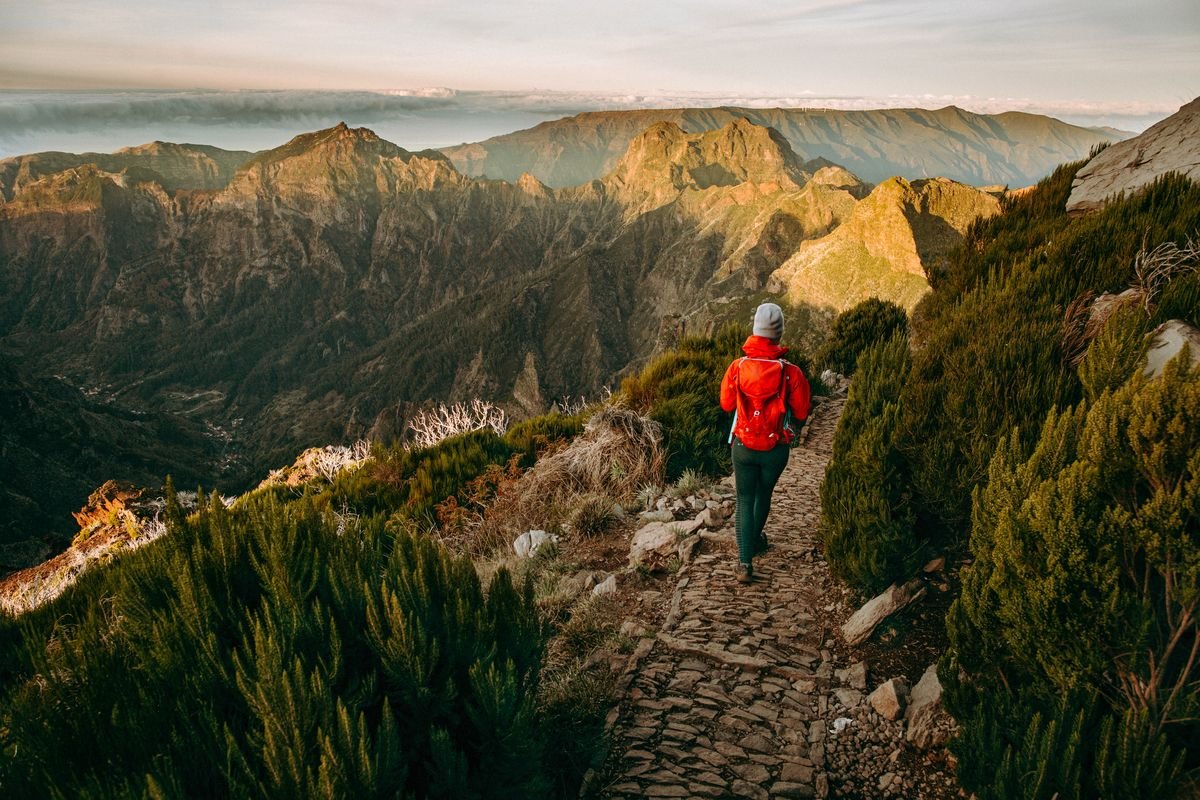
The most interesting viewpoints and peaks in Madeira:
- Pico Ruivo (1862 m above sea level) - the highest peak in Madeira and one of the most spectacular places on the island. The most popular route starts at Achada do Teixeira and takes about 2-3 hours round-trip. On a clear day, the views extend across almost the entire island.
- Pico do Arieiro (1818 m above sea level) - the second-highest peak, accessible by car. It’s a great option if you want to see Madeira’s mountains without a long hike. The trail connecting it with Pico Ruivo is popular, beautiful, but demanding.
- Eira do Serrado - a viewpoint overlooking the Valley of the Nuns, located over 1000 meters above sea level. A short walk from the parking area leads to a panoramic viewing platform.
- Miradouro da Ponta do Rosto - one of the most spectacular viewpoints in the east, overlooking the cliffs of the São Lourenço Peninsula and the ocean. Especially recommended at sunrise.
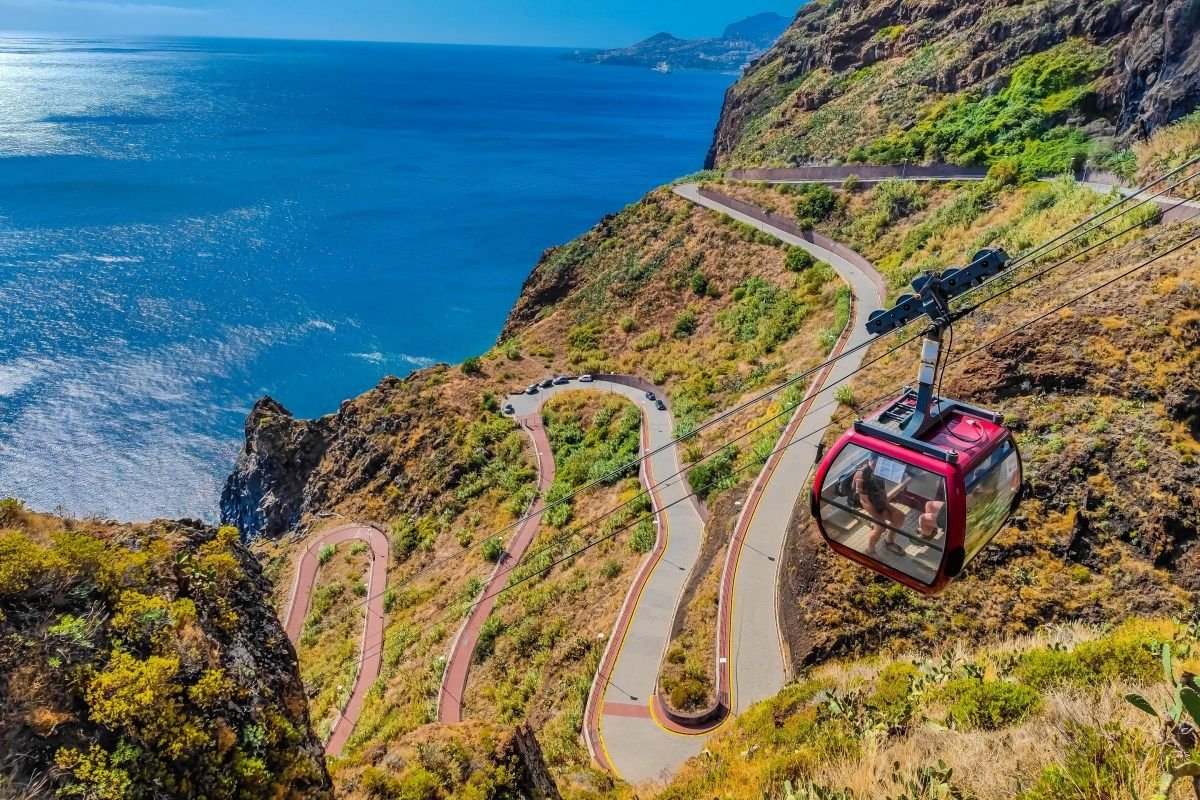
- Cabo Girão - one of the highest cliffs in Europe (approx. 580 m). There is a glass skywalk here, which might be challenging if you’re afraid of heights.
- Miradouro Véu da Noiva - a viewpoint in the north where you can see a waterfall cascading directly into the ocean.
Beaches in Madeira - travel inspiration
Madeira’s beaches are different from those in many other European destinations. Due to its volcanic origin, the island is dominated by rocky shores and black sand. However, that doesn’t mean you won’t find great places to relax.
It’s worth noting that some beaches are artificially created (e.g., in Calheta), and swimming often takes place in natural lava pools that protect against the Atlantic waves.
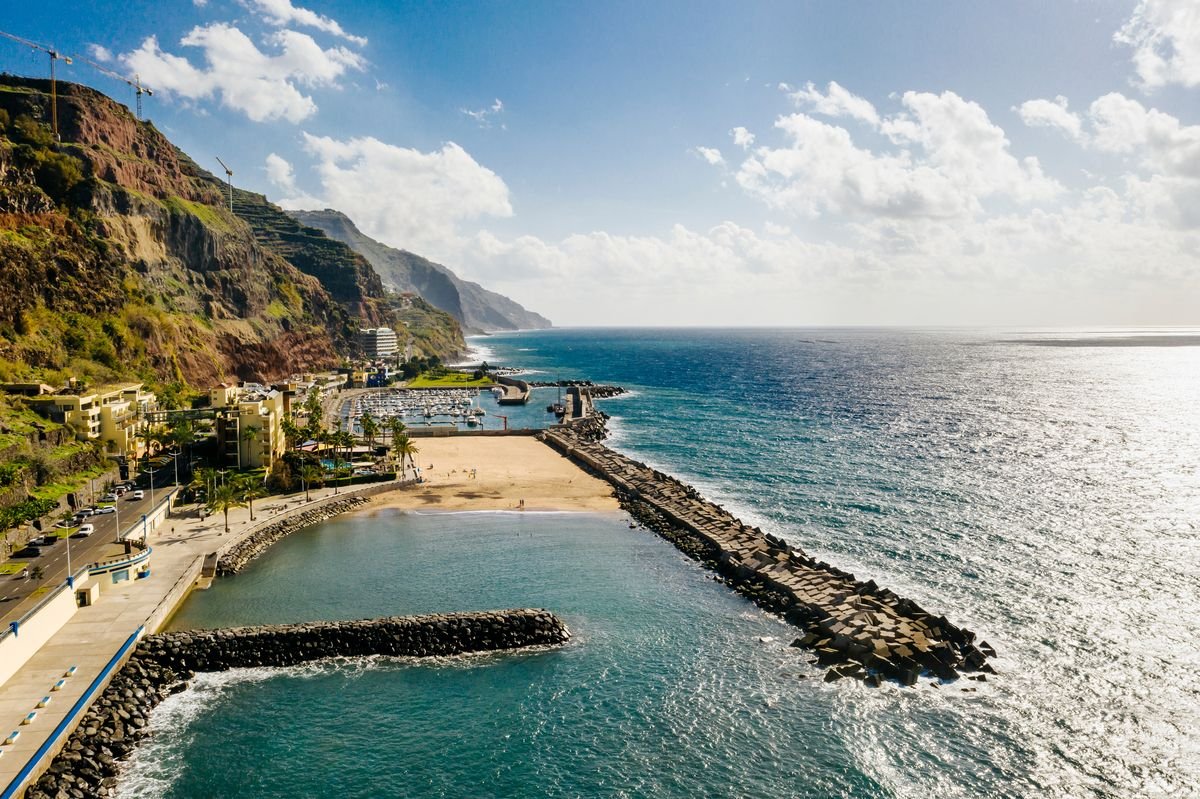
The best beaches and places to relax in Madeira:
- Seixal Beach - a natural beach with black volcanic sand and views of green cliffs.
- Calheta Beach - an artificial sandy beach with light sand imported from Morocco. Thanks to the sheltered bay, the water is calmer, making it a good choice for families.
- Machico Beach - another sandy beach, also with light sand, located close to the airport.
- Natural pools in Porto Moniz - although not a traditional beach, it’s one of the best swimming spots on the island.
- Praia Formosa (Funchal) - the largest beach near the capital, with a mix of black sand and stones.
Where to go trekking? Trails in Madeira
Madeira is a paradise for trekking lovers. The island offers hundreds of kilometres of trails through mountains, along cliffs, and alongside irrigation channels known as levadas.
The trails are very diverse - from easy walks to more demanding mountain routes, making Madeira suitable for both beginners and experienced hikers.
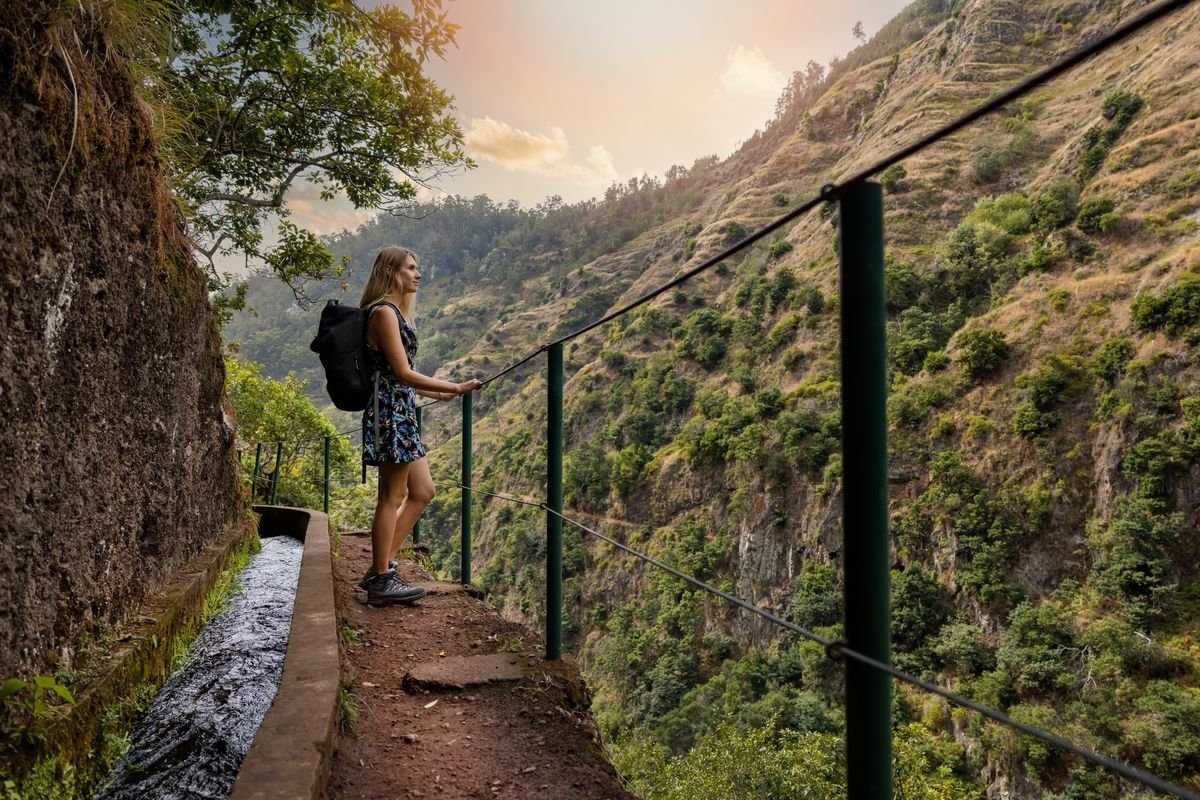
The most interesting trekking spots in Madeira:
- Levadas in Madeira - a unique water channel system that now forms a network of scenic walking routes. Popular ones include Levada do Caldeirão Verde and Levada das 25 Fontes.
- Pico do Arieiro - Pico Ruivo - one of the most spectacular trails on the island, running along a ridge with breathtaking views.
- São Lourenço Peninsula - an entirely different trekking experience, with a dry, exposed landscape and ocean views.
- Vereda dos Balcões - a short and easy trail ending at a viewpoint overlooking green valleys.
- Levada do Rei - a peaceful route through lush forests in the north.
When going trekking in Madeira, it’s important to be well-prepared. Good hiking shoes are essential, as many trails are uneven and slippery. Always check the weather, especially in the mountains, where conditions can change quickly. On routes with tunnels, a torch, or headlamp is useful, along with water and snacks.
Holidays in Madeira - what is worth knowing?
Madeira is best explored actively and with a well-planned base. Although the island is small, its mountainous terrain can make travel times longer than expected.
How to get to Madeira? Flights to Madeira
You can reach Madeira by direct flights from many major European cities or with a transfer, most often in Lisbon. During the high season, direct flights are more widely available, while in the off-season, you may need to choose connecting flights.
A direct flight usually takes around 4-6 hours, depending on your departure city. All flights land at Madeira Airport in Funchal, known for its scenic, slightly challenging landing approach, as it lies between mountains and the ocean.
Weather in Madeira - when is the best time to go?
Madeira is a year-round destination, with temperatures usually between 18-26°C.
The best time to visit is spring and autumn, especially from April to June and September to October.
Where to stay in Madeira?
Funchal is the most universal base, offering the widest range of accommodation and services.
The west (e.g., Calheta) is sunnier and more relaxed, while the north is greener and ideal for nature lovers.
How to get around Madeira?
Renting a car is the most convenient option. Public transport is limited, while organised tours are a comfortable alternative.
Create your own adventure with excursions! Enjoy dolphin-watching cruises, island tours, and exciting treks on SeePlaces. Start your journey today - www.seeplaces.com/excursions/madeira
What to bring from Madeira - souvenirs, food and drink
Madeira offers many authentic souvenirs. Popular choices include Madeira wine, sugar cane rum, and molasses (mel de cana).
You can also find local embroidery, wicker products, and cosmetics made from local plants.
Is Madeira worth visiting?
Madeira offers incredible diversity - from laurel forests and mountains to cliffs and volcanic coasts. It’s perfect for both active travellers and those seeking relaxation.
If you’re wondering what to see in Madeira, the answer is simple - as much as possible. Every day on the island can look entirely different, which is why Madeira stays in your memory for a long time.
_389209b585.svg)


