What to see in Iceland? Attractions and places worth visiting
Iceland captivates visitors with its rugged landscapes, but it requires a little more preparation than a typical holiday in a European resort. Wondering what to see in Iceland? Discover the island’s most beautiful attractions, practical travel tips, and places worth including in your itinerary.
_556f7beb58.jpg)
Iceland - practical information before your journey
Holiday in Iceland takes a little planning. Distances between attractions can be long, the weather can change quickly, and some places are only accessible under certain conditions. A well-prepared itinerary will help you see more without rushing from one stop to the next.
How to get to Iceland?
Most travellers arrive at Keflavík International Airport, located outside Reykjavik. The journey from the airport to the capital takes around 45 minutes. You can choose between airport shuttle buses, taxis, or renting a car immediately after landing.
It is worth remembering that Keflavík Airport is not located in Reykjavik itself. Travellers arriving late in the evening should check transfer times in advance or consider staying near the airport for the first night.
How to get around Iceland?
Travelling by car gives you the most freedom, especially outside Reykjavik. When driving independently, make sure to check the weather and road conditions regularly. Even in summer, strong winds and heavy rain can make the journey more challenging.
Public transport works best in the capital and between larger towns, but it does not reach every tourist attraction.
_a8587a8979.jpg)
What currency is in Iceland?
The currency of Iceland is the Icelandic króna, abbreviated as ISK. Card payments are widely accepted, including in small shops, restaurants, and petrol stations. Even so, it can be useful to carry a small amount of cash for unexpected situations.
Before travelling, check whether your bank charges fees for payments in foreign currencies.
Weather in Iceland: what should you pack?
The weather in Iceland can change several times in a single day. Even in summer, you will need a waterproof, windproof jacket, a warm sweatshirt or fleece, comfortable hiking shoes, and clothes that layer well.
It is also worth packing a hat, gloves, swimwear, and a waterproof cover for your backpack.
How many days do you need to explore Iceland?
Three to four days are enough for a short stay in Reykjavik and a tour of the Golden Circle. A full week allows you to add the south coast, waterfalls, black-sand beaches, and Jökulsárlón Glacier Lagoon.
To drive the entire Ring Road without constantly rushing, plan at least 7-10 days. With two weeks, you can include extra hikes, the Snæfellsnes Peninsula, or less frequently visited regions.
Iceland in Summer - Why is it worth visiting?
Summer is an excellent time for an active holiday in Iceland. Long days make it easier to plan drives and hikes, while many routes through the highlands and volcanic areas become more accessible. Temperatures are milder than during the rest of the year, although you should still be prepared for wind, rain, and sudden weather changes.
It is also a good time to explore the Golden Circle, hike through dramatic landscapes, and discover places located far from Reykjavik.
During the summer months, you can also see puffins, which come to Iceland for the breeding season. Depending on the location, the season usually runs from spring through the first half or the end of August, so it is better not to wait until the final days of summer for a puffin-watching tour.
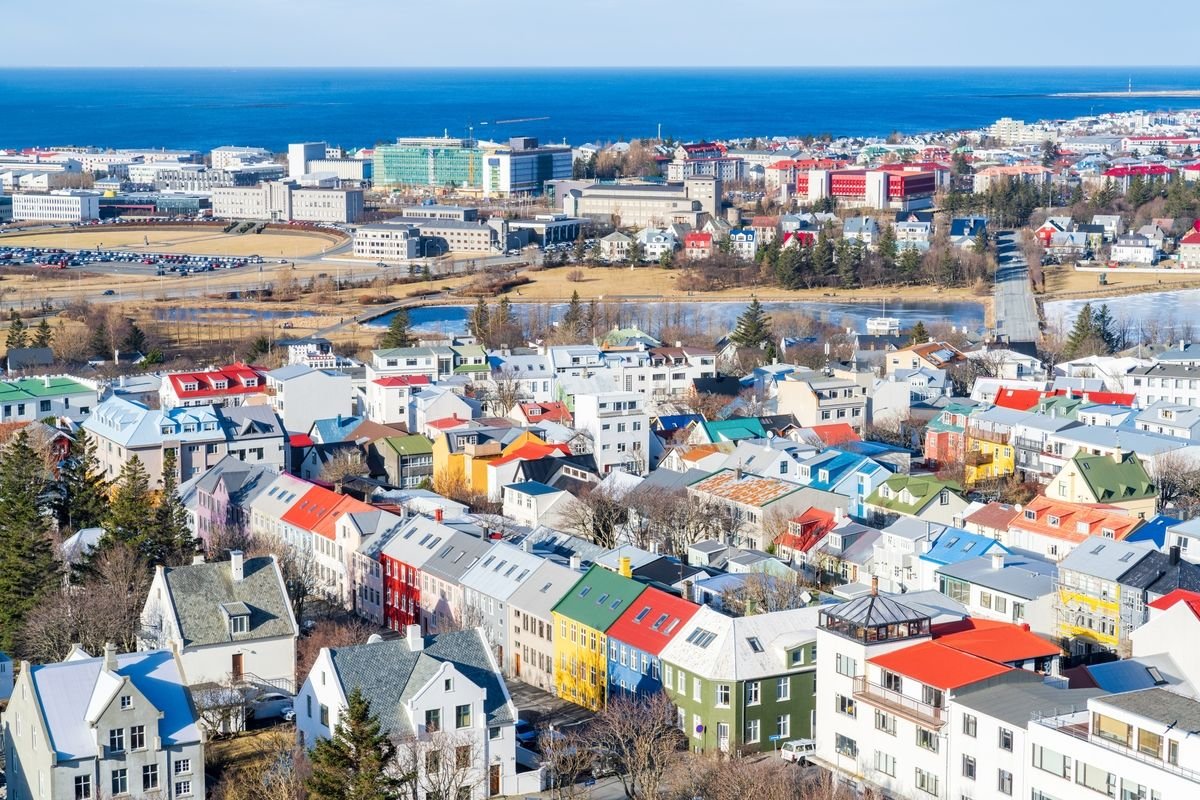
Reykjavik
Reykjavik is a compact capital, so its main attractions can be explored during a one-day walk. Still, it is worth staying longer to experience the local culture, try Icelandic cuisine, and use the city as a starting point for exploring the island.
What to see in Reykjavik?
During your walk, make sure to visit:
- Harpa - a modern concert hall with a striking glass façade,
- Sun Voyager - a steel sculpture located by the waterfront promenade,
- Skólavörðustígur - a street known for its colourful section leading towards Hallgrímskirkja church,
- the Old Harbour, where whale- and puffin-watching cruises depart,
- local geothermal swimming pools are an important part of everyday life in Iceland.
Reykjavik is also a good place to learn more about Iceland’s history. The city has museums dedicated to the first settlers, Icelandic culture, and life on an island shaped by volcanoes and harsh weather.
Reykjavik as a base for tours around Iceland
Many of the most popular tours in Iceland begin in Reykjavik. From the capital, you can visit the Golden Circle, explore the south coast, enter lava caves, or hike through volcanic landscapes. Whale-watching cruises also depart from the harbour, along with puffin-watching tours in summer.
This is a convenient option for travellers who do not want to rent a car or only have a few days to explore Iceland. After a full-day tour, you can return to the same hotel without changing accommodation frequently or planning every transfer yourself.
Beaches in Iceland
Beaches in Iceland are very different from those found in southern Europe. Instead of pale sand and calm water, you will find black coastlines, basalt cliffs, powerful waves, and pieces of ice washed ashore.
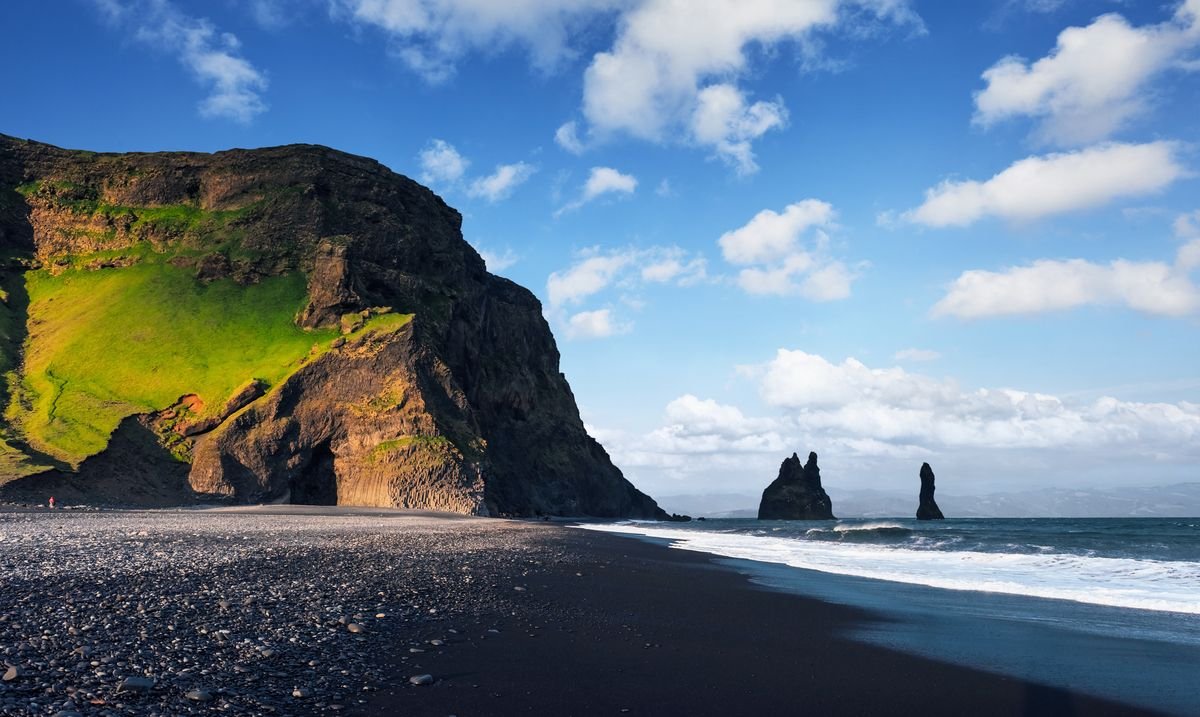
Reynisfjara
Reynisfjara is a black-sand beach located near the town of Vík. Its landscape is formed by dark volcanic sand, high cliffs, and regular basalt columns resembling enormous organ pipes. From the shore, you can also see the Reykjanesdrangar sea stacks rising from the ocean.
According to Icelandic legend, the rocks are petrified trolls that tried to drag a ship ashore. They failed to hide before sunrise and were turned to stone forever.
Reynisfjara is beautiful, but it can also be dangerous due to sudden, powerful waves. Keep well away from the water, never turn your back on the ocean, and always follow the safety warnings.
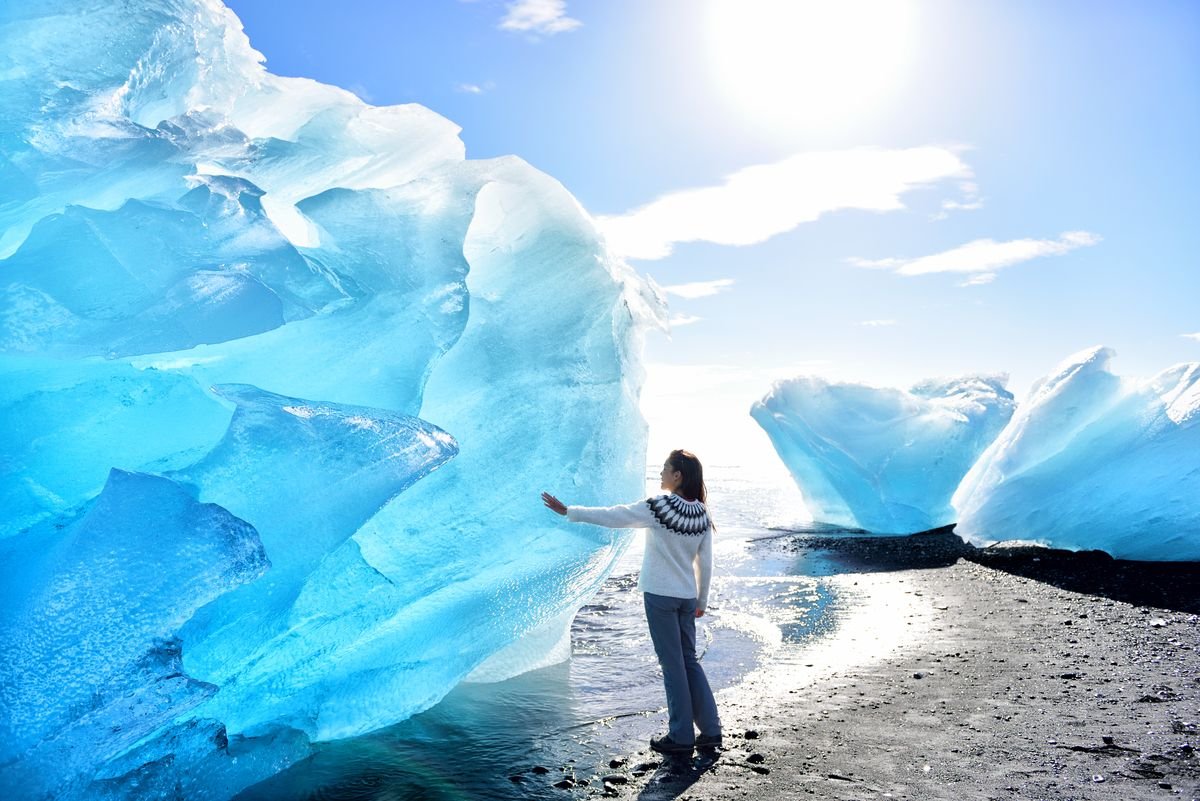
Diamond Beach
Diamond Beach is located right next to Jökulsárlón Glacier Lagoon. Pieces of ice float from the lagoon towards the ocean, and some are later washed onto the black sand by the waves. In the sunlight, the transparent chunks resemble scattered diamonds, which is how the beach got its popular name.
The beach looks different every day. The number, size, and position of the ice depend on the tides, weather, and conditions in the lagoon. Do not climb onto the ice or approach the ocean too closely, as the ice can move and waves may appear unexpectedly.
The most beautiful waterfalls in Iceland
Iceland is a land of waterfalls. Some drop from high cliffs, others flow between basalt columns or disappear into deep canyons. Many are located close to the main roads, making them easy to include in an Iceland sightseeing itinerary.
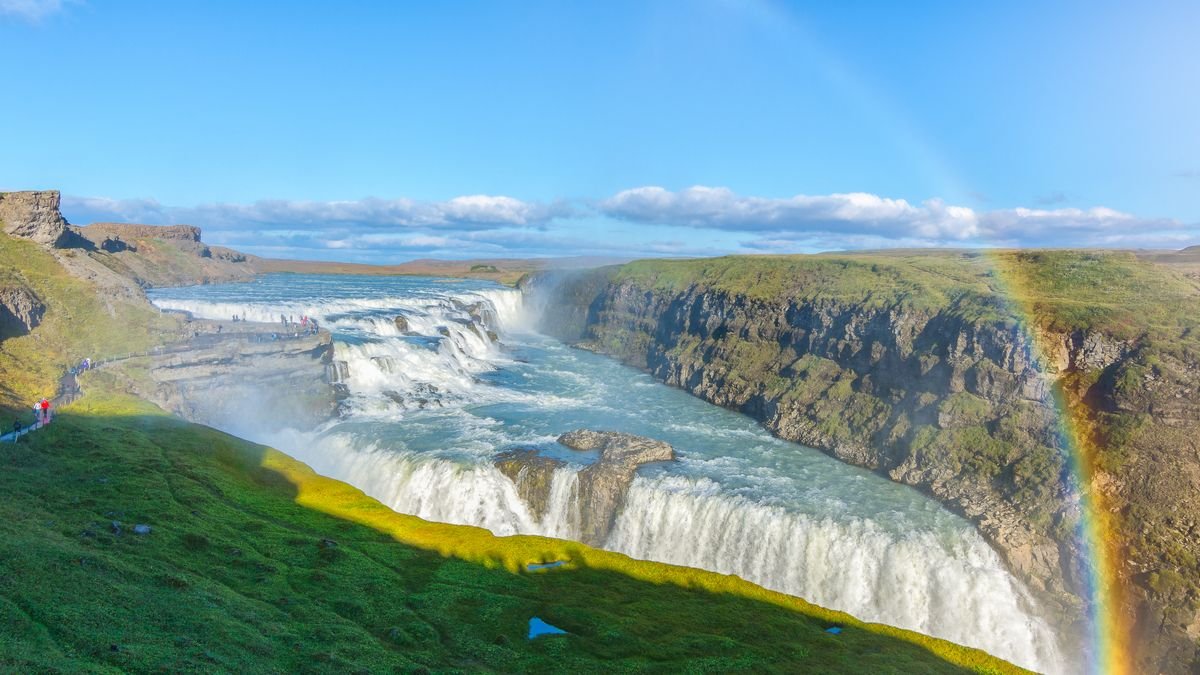
Gullfoss
Gullfoss, or the Golden Waterfall, is one of the most important attractions on the Golden Circle. The Hvítá River drops in two stages before flowing into a rocky gorge. From the right angle, it can look as though the river suddenly disappears underground.
On sunny days, a rainbow often appears above the waterfall. Visitors can choose from several viewpoints at different heights.
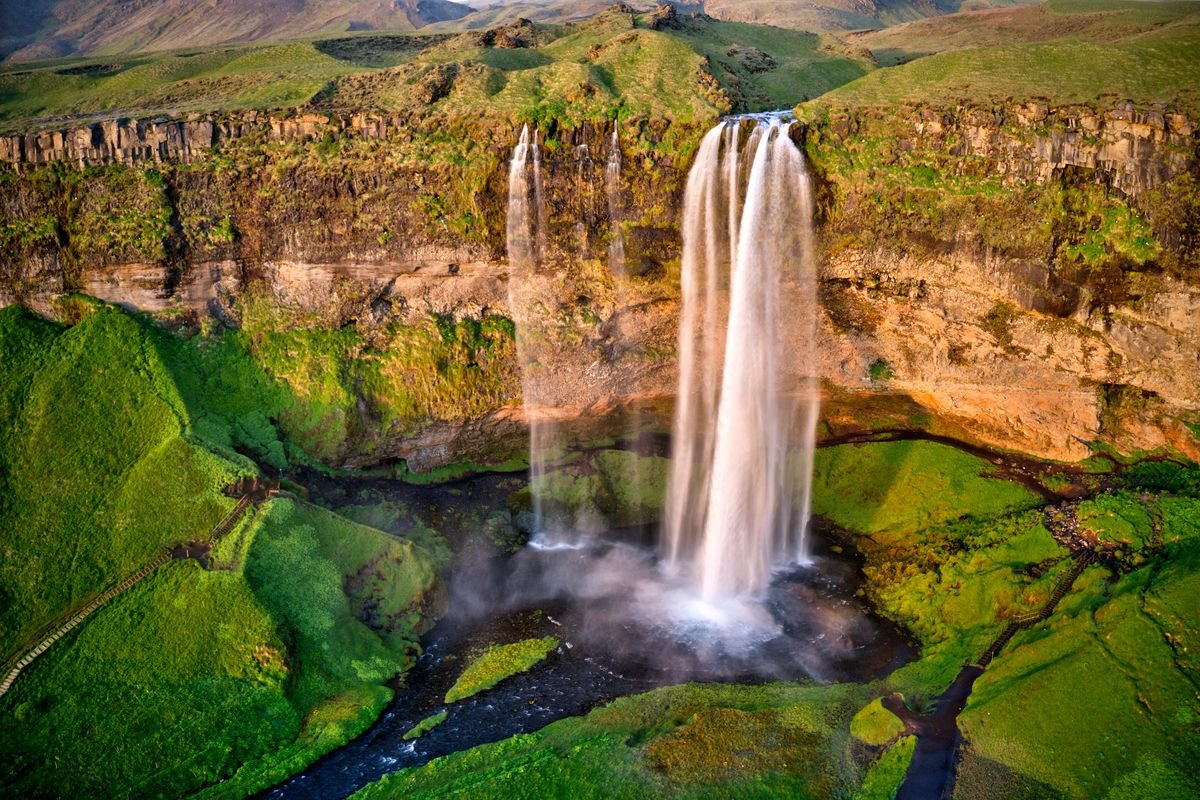
Seljalandsfoss
Seljalandsfoss is one of Iceland’s most recognisable waterfalls. The water drops from a high cliff, and its biggest attraction is the path leading behind the curtain of water.
The trail is wet and slippery, so a waterproof jacket and shoes with good grip are essential.
Hengifoss
Hengifoss is located in eastern Iceland and is one of the tallest waterfalls in the country. It is surrounded by dark basalt layers crossed by red clay bands, making the rock face look almost like a cross-section of Iceland’s geological history.
A hiking trail leads to the waterfall. The route includes an uphill section, but along the way, you can see another waterfall, Litlanesfoss.
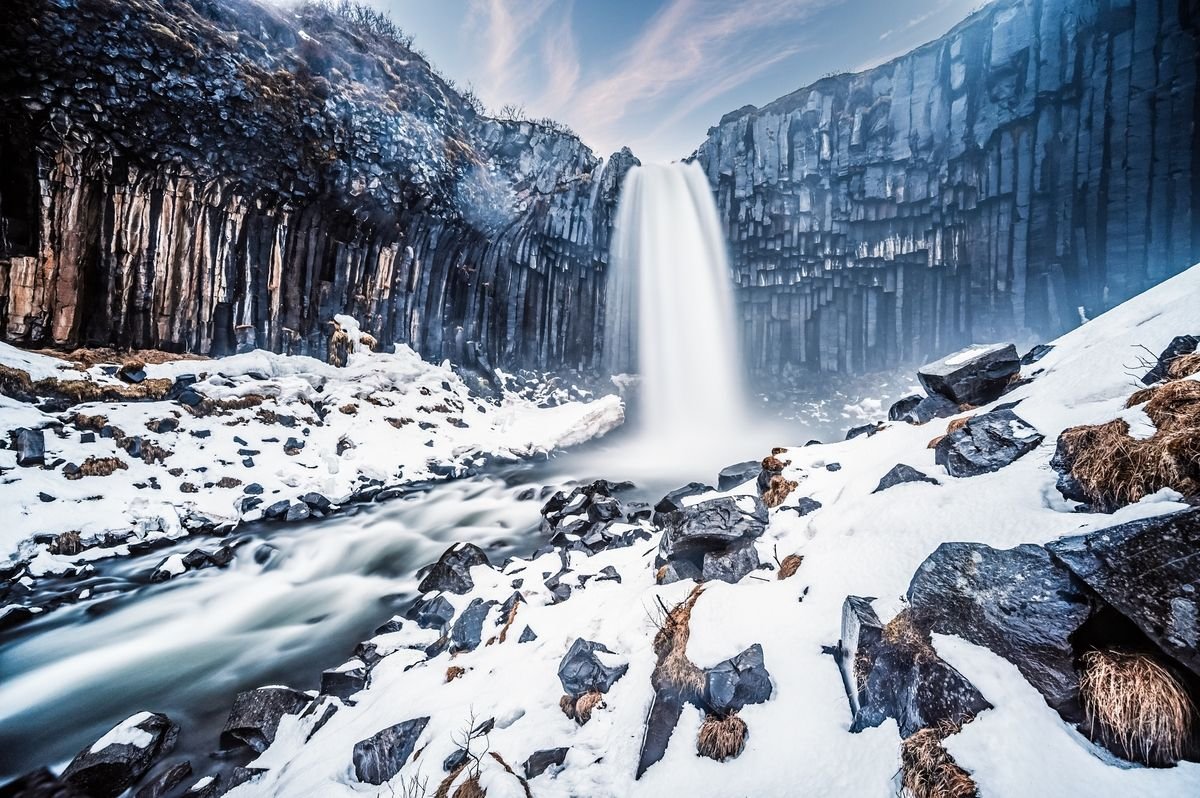
Svartifoss
Svartifoss, known as the Black Waterfall, is located in the Skaftafell area of Vatnajökull National Park. It is surrounded by symmetrical dark basalt columns formed as lava cooled slowly. Their distinctive shape makes the waterfall look as though it is hidden inside a natural stone amphitheatre.
A marked trail to Svartifoss begins in Skaftafell. The hike itself is part of the experience, with other waterfalls and glacial-shaped landscapes along the way.
Litlanesfoss
Litlanesfoss lies on the trail leading to Hengifoss. The water drops between tall basalt columns, creating a natural frame around the waterfall. Although it is smaller and less famous than Hengifoss, many travellers consider it one of the most impressive parts of the hike.
Both waterfalls are best visited during the same walk. You reach Litlanesfoss first, while the next section of the trail leads towards viewpoints overlooking Hengifoss.
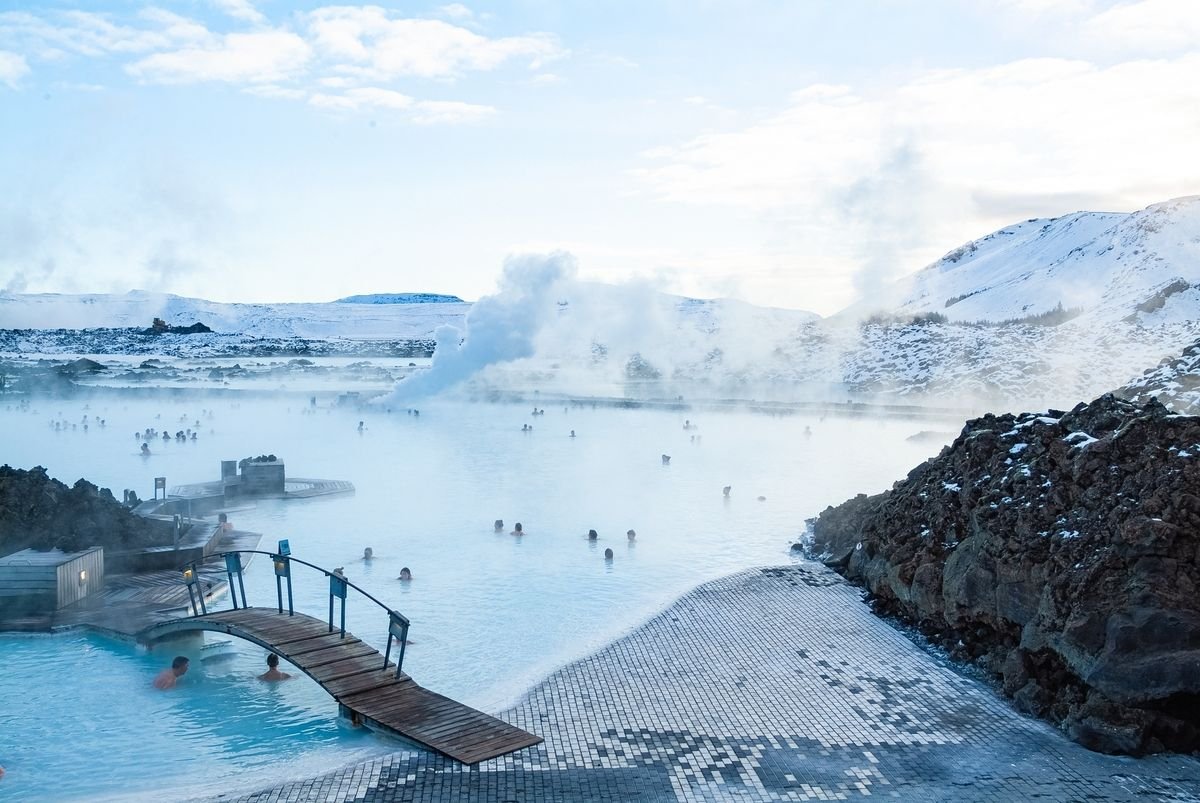
Geothermal springs and lagoons in Iceland
Blue Lagoon
Blue Lagoon is the most famous geothermal lagoon in Iceland. It is located on the Reykjanes Peninsula, close to Keflavík Airport, making it easy to visit shortly after arriving or before your flight home.
Milky-blue water, steam rising above the surface, and black lava fields create its distinctive landscape. Facilities include silica mud masks, relaxation areas, and several dining options. Due to its popularity, it is best to book your visit in advance.
Sky Lagoon
Sky Lagoon is located on the outskirts of Reykjavik and is known for its infinity pool overlooking the Atlantic Ocean. It is a viable option for travellers who want to combine sightseeing in the capital with a few hours of relaxation.
One of its main attractions is a multi-stage ritual that includes bathing in warm water, cooling down, spending time in a sauna, and using a body scrub. The lagoon’s design is inspired by Icelandic nature and traditional architecture.
Blue Lagoon or Sky Lagoon?
The best choice depends on your travel plans and the kind of atmosphere you prefer:
- Blue Lagoon stands out for its milky-blue water and location among lava fields.
- Sky Lagoon offers ocean views and is located close to Reykjavik.
- Blue Lagoon is larger, more famous, and usually busier.
- Sky Lagoon feels calmer and works well during a short stay in the capital.
An alternative to both is GeoSea Thermal Baths in Húsavík. From the warm pools, you can enjoy views of Skjálfandi Bay and the surrounding mountains.
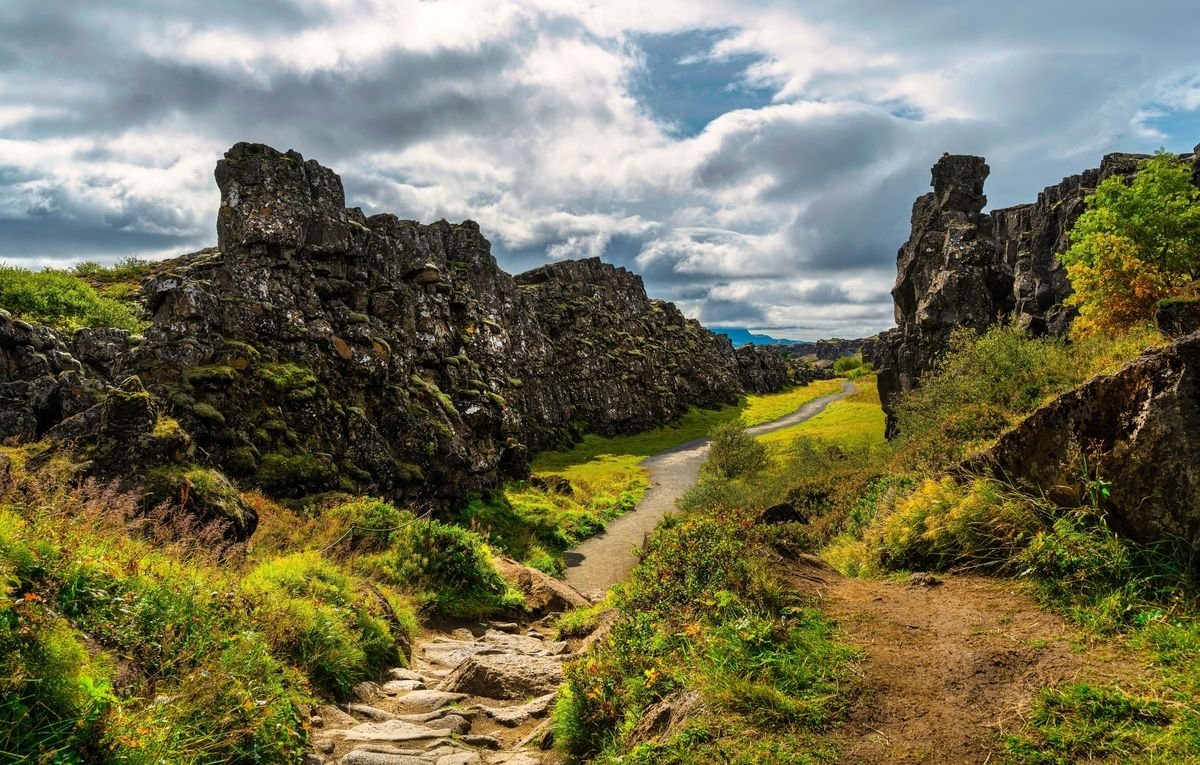
National parks in Iceland
Iceland’s national parks protect glaciers, waterfalls, volcanoes, lava fields, and places of great historical importance.
Thingvellir National Park
Þingvellir National Park, also written as Thingvellir, lies where the North American and Eurasian tectonic plates meet. The landscape features visible fissures and faults created as the plates gradually move apart.
It is also one of the most important historical places in Iceland. In 930, Alþingi was established here and is considered one of the world's oldest parliaments. In the park, you can walk through the Almannagjá gorge, visit the historic assembly site, and see Öxarárfoss waterfall.
Vatnajökull National Park
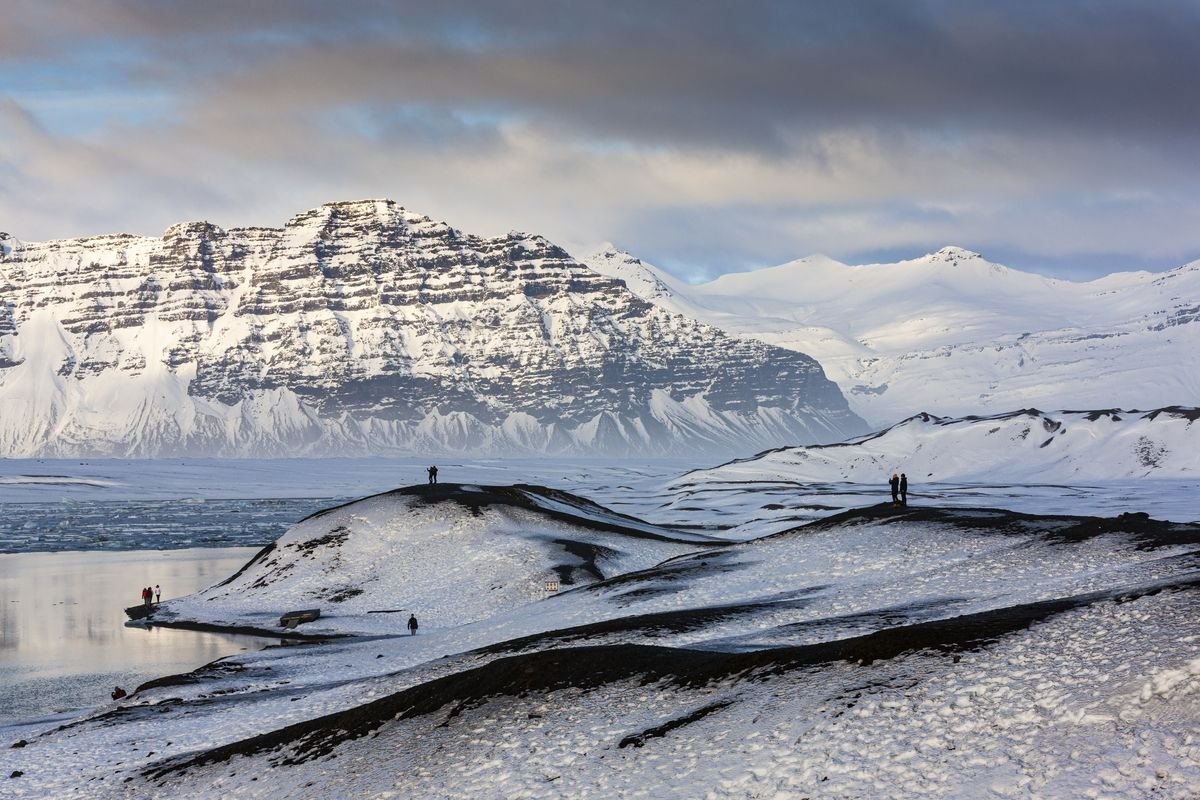
Vatnajökull National Park covers vast areas of southern and eastern Iceland. Its central feature is the Vatnajökull glacier, beneath which active volcanoes can be found.
The park’s main attractions include the Skaftafell region, Svartifoss waterfall, numerous glacier tongues, and seasonal ice caves. The area is enormous, so before visiting, decide whether your priority is hiking, joining a glacier tour, or continuing towards Jökulsárlón.
_76c155b679.jpg)
_89a45827be.jpg)
The Golden Circle
The Golden Circle is one of Iceland’s most popular sightseeing routes. It can be completed as a day tour from Reykjavik and includes three remarkable places: Thingvellir, the Haukadalur geothermal area, and Gullfoss waterfall.
- Thingvellir National Park - here you can walk among tectonic fissures, learn about the history of Iceland’s ancient parliament, and admire a landscape shaped by moving plates. It is worth spending a few hours here. With more time, you can follow the route through Almannagjá and reach Öxarárfoss waterfall.
- Geysir and the Haukadalur geothermal area - this is a landscape of hot springs, steaming vents, and bubbling mud pools. It is home to Geysir, the hot spring that gave its name to the word “geyser”. Geysir itself erupts very rarely today, but the area remains active. Stay on the marked paths, as the water beneath the surface reaches extremely high temperatures.
- Strokkur - this geyser regularly sends a jet of hot water several metres into the air. Eruptions usually happen every few minutes, although each one looks slightly different.
- Gullfoss, or the Golden Waterfall, is the final major stop along the route. The Hvítá River drops in two stages into a deep canyon, creating powerful cascades. The waterfall can be viewed from several platforms. On sunny days, rainbows often appear above the water, while in winter, parts of the rocky surroundings are covered in ice.
How to explore the Golden Circle?
You can visit the Golden Circle independently in a rental car or join a guided tour from Reykjavik. The first option gives you more freedom, while the second removes the need to plan the route and drive yourself.
It is best to allow a full day for the journey. Long summer days give you more time at each attraction, while in winter you need to consider limited daylight and more challenging road conditions.
_0452dc1ce2.jpg)
Kirkjufell and the Snæfellsnes Peninsula
The Snæfellsnes Peninsula is sometimes described as Iceland in miniature. Within a relatively small area, you can find cliffs, beaches, lava fields, fishing villages, waterfalls, and the Snæfellsjökull glacier.
Why is Kirkjufell so popular?
Kirkjufell is one of the most photographed mountains in Iceland. Its name means “Church Mountain”, and its distinctive, almost cone-shaped form makes it easy to recognise. In summer, green slopes surround the mountain, while in winter, it is often covered in snow. Under the right conditions, the Northern Lights can also appear above it.
What else is worth seeing on the Snæfellsnes Peninsula?
During your visit to the peninsula, it is also worth seeing:
- Snæfellsjökull National Park,
- Djúpalónssandur black-sand beach,
- the cliffs and rock formations near Arnarstapi,
- the fishing town of Stykkishólmur,
- Ytri Tunga beach, where seals can sometimes be seen,
- the black Búðakirkja church.
Allow a full day to see the peninsula’s main attractions. At a slower pace, staying overnight in this part of Iceland is a good idea.
_fff71d978e.jpg)
_8d2fb04121.jpg)
The Northern Lights in Iceland
The Northern Lights season usually lasts from late August or September until April. Dark, clear nights are essential, which is why seeing the aurora in the middle of the Icelandic summer is practically impossible.
Before heading out, check the cloud cover and solar activity forecasts. However, remember that even a very promising forecast cannot guarantee that the Northern Lights will appear.
The aurora can be seen almost anywhere in Iceland, provided the sky is dark and there is little artificial light nearby. Popular observation areas include Thingvellir, the Reykjanes Peninsula, the Snæfellsnes Peninsula, and the south coast.
During strong activity, the Northern Lights can sometimes be seen from Reykjavik as well. However, an evening tour outside the city gives you a better chance, as the guide can choose the observation point based on current cloud conditions.
_da0027d2c4.jpg)
Excursions in Iceland
Iceland’s attractions are spread across the island, so tours make it easier to see the most important places without arranging the entire route yourself. SeePlaces offers options for nature lovers, active travellers, and anyone interested in Iceland’s extraordinary landscapes.
From Reykjavik, you can join a guided Golden Circle tour and see Thingvellir, the Haukadalur geothermal area, Strokkur geyser, and Gullfoss waterfall in one day. Lava tunnel tours are also available, allowing you to descend beneath the surface of a solidified lava field.
Travellers who enjoy active sightseeing may prefer a hike to the Fagradalsfjall volcano. The route leads through rugged terrain shaped by volcanic activity and reveals one of Iceland’s most distinctive landscapes.
In Reykjavik, you can also book:
- a puffin-watching cruise,
- an evening Northern Lights tour,
- a guided lava tunnel experience,
- a full-day Golden Circle tour.
It is best to book tours in advance, especially in summer, when excursions are particularly popular.
- 21.04.2026
Madeira Travel Guide
Madeira, the “island of eternal spring,” is difficult to compare with any other place in Europe. Discover what to see in Madeira and how to plan your stay - from top attractions to practical travel tips.
Read more_389209b585.svg)


